
Growing bottle gourd
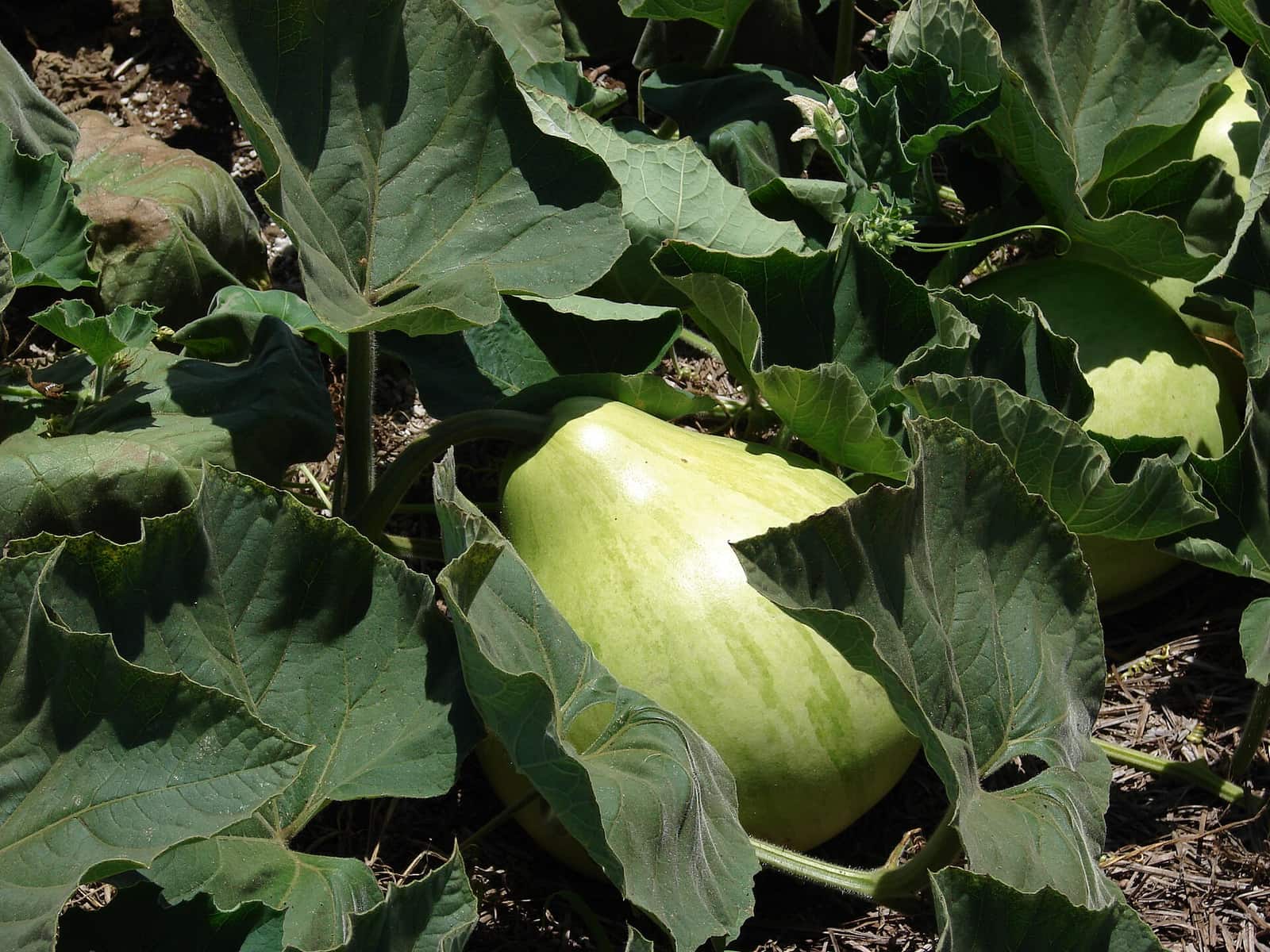
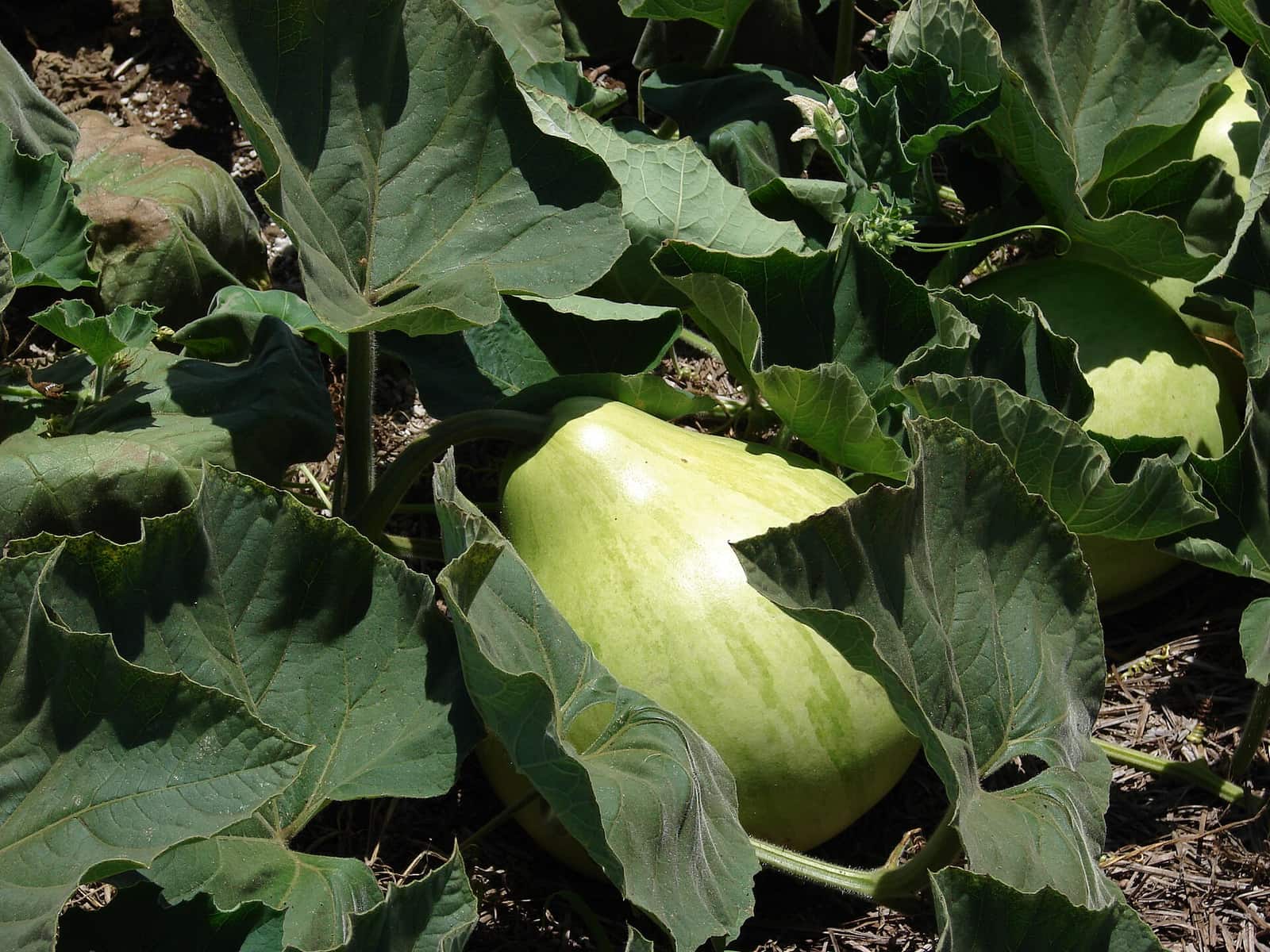
Lagenaria siceraria · also called lauki, al (Kashmiri)A fast, vigorous vine grown for its long or round pale green fruit, cooked young as a vegetable. It is sown straight into warm soil and cannot take frost.
West coast: Kerala, Goa, Konkan, coastal Karnataka, south Gujarat
At a glance
Bottle gourd in the West coast
January to March and September to December; rainfed crops after the first showers in May to June7
About 100 to 130 days from sowing to the last picking.
No published guide covers this for the West coast, so this is an AI suggestion. Check it with local advice before you rely on it.January to March7
Part of this comes from the sources cited. The rest is an AI suggestion.55 to 70 days after sowing
No published guide covers this for the West coast, so this is an AI suggestion. Check it with local advice before you rely on it.
Across India
When to sow it
Twelve growing regions, January to December. Your region comes first.
Sow now
The window here is September to December.
- Sow
- Harvest
- Under cover
- Today
Compare all 12 regionsShow fewer regions
See the dates as a table
| Region | Sow | Nursery | Transplant | Harvest |
|---|---|---|---|---|
| West coast | January to MarchSeptember to DecemberMay to June, after the first showers | March to mid-JuneNovember to March | ||
| Temperate Himalaya | April to May | July to mid-September | ||
| Cold desertUnder cover only | Under cover: Late April to May, in a greenhouse | Under cover: July to mid-September | ||
| Sub-tropical foothills | Mid-FebruaryJune to JulyMarchApril to MayUnder cover: First half of November | Mid-April to JuneMid-August to October | ||
| North-west plains | February to MarchJune to JulyUnder cover: November to December | Mid-April to JuneMid-August to October | ||
| Gangetic plains | February to MarchJune to July | Mid-April to JuneMid-August to October | ||
| North-east hills and valleys | November to MarchMarch to April | February to June | ||
| Arid west | February to early MarchJuly, with the monsoon | Mid-April to JuneSeptember to mid-November | ||
| Central plateau | February to MarchJune to JulyNovember | Mid-April to JuneMid-August to October | ||
| Deccan plateau | June to JulyNovemberJanuary to February | Mid-August to October | ||
| South interior | JulyJanuary | September to NovemberMarch to May | ||
| East coast | JulyJanuary | September to NovemberMarch to May |
From seed to harvest
One season, day by day
Days from sowing
Day 0
Sow
Day 55 to 70
First picking
Every 3 to 4 days in the peak season.
No published guide covers this for the West coast, so this is an AI suggestion. Check it with local advice before you rely on it.
Day 100 to 130
Last picking
No published guide covers this for the West coast, so this is an AI suggestion. Check it with local advice before you rely on it.
Before sowing
Well-rotted farmyard manure (FYM)7
20 to 25 t per hectare · Mix well into the topsoil · Basal
Day 0
Sow
Day 6 to 10
Seeds come up1,2,3Part of this comes from the sources cited. The rest is an AI suggestion.
Day 55 to 70
First pickingNo published guide covers this for the West coast, so this is an AI suggestion. Check it with local advice before you rely on it.
Every 3 to 4 days in the peak season.
Day 100 to 130
Last pickingNo published guide covers this for the West coast, so this is an AI suggestion. Check it with local advice before you rely on it.
Water every 3 to 4 days, more at flowering and fruiting.7
What it needs
Soil, sun and warmth
Soil pH1,2,6
6 to 7
Sandy loam to loam, well drained and rich in organic matter. It grows on most soils.
SunlightNo published guide covers this for the West coast, so this is an AI suggestion. Check it with local advice before you rely on it.
At least 6 hours a day
Full sun, at least 6 hours a day.
Temperature1
Grows best at 24 to 27 °C
Frost: none tolerated.
Monthly temperatures for the West coast aren't in the library yet.
Water and feeding
Watering7
Water every 3 to 4 days in the early stage, then on alternate days through flowering and fruiting.
Weeding7
Weed and rake the soil each time you top dress. Earth up the plants in the rainy season.
| When | What | How much | How |
|---|---|---|---|
| Basal | Well-rotted farmyard manure (FYM) | 20 to 25 t per hectare | Mix well into the topsoil |
Varieties and yield
15 to 20 tonnes a hectare
Yields vary with the plot, the seed and the season.
Pusa Summer Prolific Long
Recommended by KAU
Arka Bahar
Recommended by KAU
Good neighboursNo published guide covers this for the West coast, so this is an AI suggestion. Check it with local advice before you rely on it.
Grows well with
Keep it away from
Pests and diseases7
Organic and cultural controls only.
Epilachna beetle
Signs
Spotted beetles and their grubs scrape the leaf surface.
What to do
- Pick off and destroy egg masses, grubs and adults from the leaves.
Red pumpkin beetle
Fruit fly
What to do
- Cover young fruit with polythene, cloth or paper bags.
- Set banana fruit traps.
- Destroy infested and rotting fruit.
Mosaic (virus)
What to do
- Pull out affected plants and the weeds that carry the virus.
Downy mildew
Powdery mildew
Seed and the season's end
Saving seed1,2Part of this comes from the sources cited. The rest is an AI suggestion.
Keep a seed crop at least 800 m from other bottle gourd varieties. Check it three times (early growth, flowering and fruiting, and before harvest) and pull out off-type and sick plants.
When the seed is ready
Seed fruit is ready when its skin turns a dull green.
Cleaning the seed
Dry the harvested fruit, then take out the seed, grade it and pack it.
Keep dry seed in a sealed container in a cool, dark place.
After the last pickingNo published guide covers this for the West coast, so this is an AI suggestion. Check it with local advice before you rely on it.
Pull out the vines after the last picking and compost them if they are healthy. Follow with a crop from another family, such as a leafy vegetable or a legume.
Destroy old cucurbit vines after the crop so downy mildew has nowhere to carry over.
Rotation
Where root knot nematode builds up, rotate with rice, oats, wheat or taramira.
Sources
Where this comes from
Our team has checked this guide against the sources at the end of the page.Reviewed by our team on 13 November 2026.
These published guides are the sources. Where none of them covers a detail for this region, the page shows an AI suggestion and labels it.
- Production Technology of Vegetables and Flowers (VSF-231), Part I: Vegetable production (cucurbitaceous crops; protected cultivation)CSK Himachal Pradesh Krishi Vishvavidyalaya, Palampur (Department of Vegetable Science and Floriculture)Read the source
- Advisory for Kharif Season in Uttarakhand (2 May 2020)G B Pant University of Agriculture and Technology, Directorate of Extension EducationRead the source
- Bottle gourd (Lagenaria siceraria): crop production guide (Horticulture, vegetables)TNAU Agritech Portal, Tamil Nadu Agricultural UniversityRead the source
- Package of Practices Recommendations: Crops 2011, Vegetables (Bottle gourd; bitter gourd plant protection)Kerala Agricultural UniversityRead the source
AI Farm Manager · In development
Plan this crop on your land
AI Farm Manager will turn guides like this one into a plan for your own plot. It doesn't make plans yet.