
Growing carrot
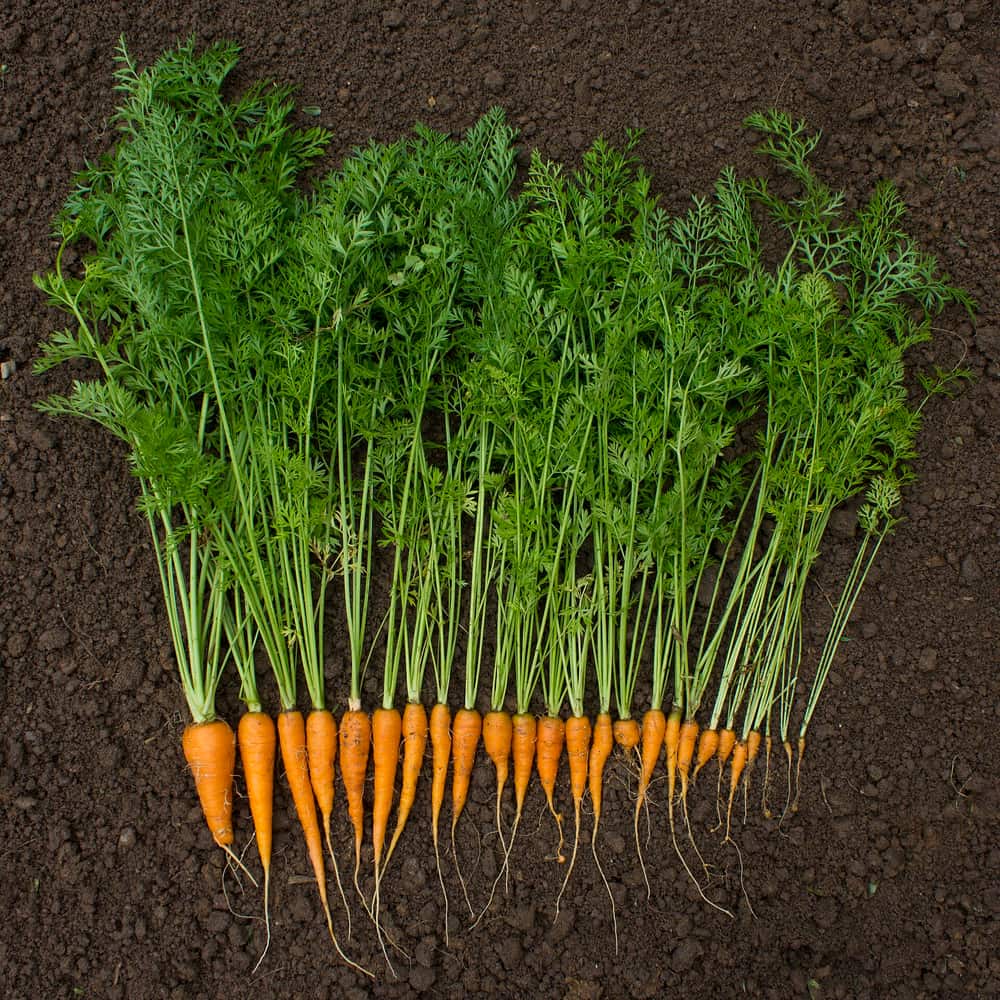
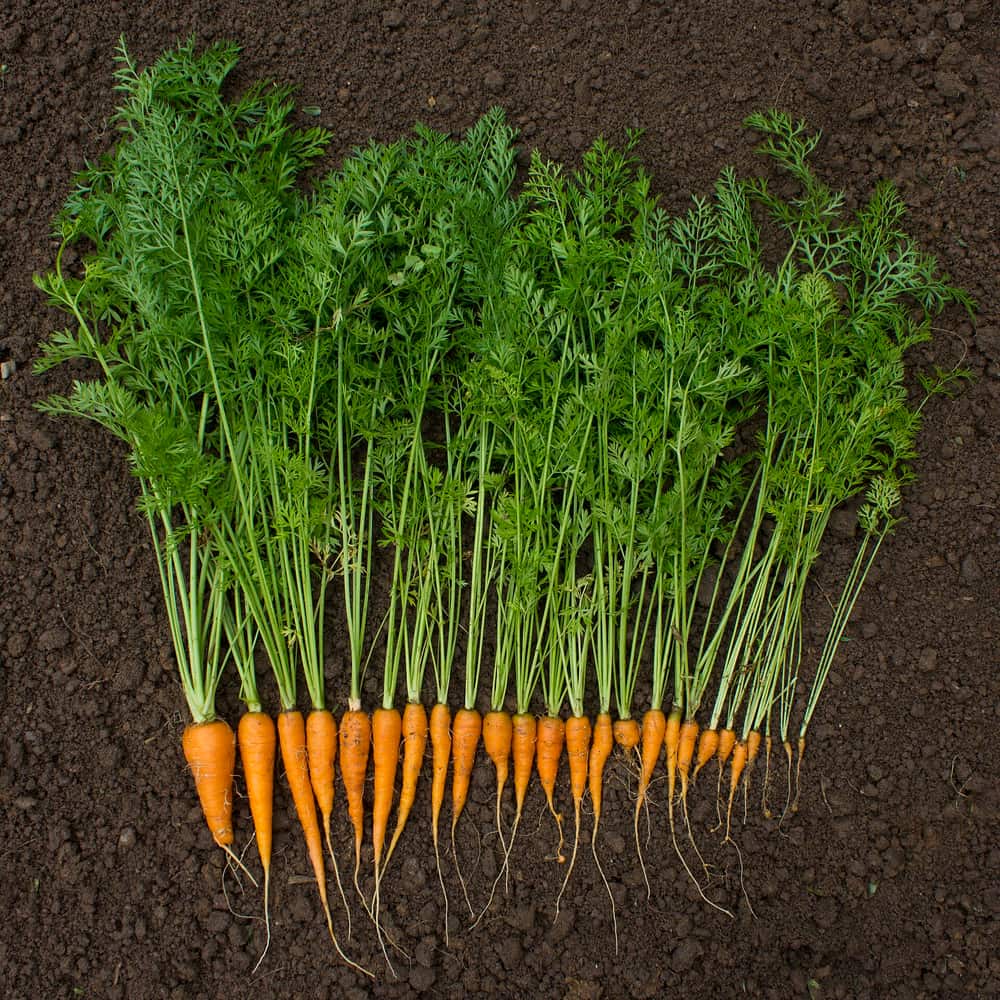
Daucus carota subsp. sativus · also called GajarA cool season root crop sown straight into deep, loose soil. Red Asiatic types suit the plains and warm winters; orange European types suit the hills.
Cold desert: Ladakh, Lahaul and Spiti
At a glance
Carrot in the Cold desert
Short summer crop, sown in late spring
No published guide covers this for the Cold desert, so this is an AI suggestion. Check it with local advice before you rely on it.European types take about three to three and a half months in the short cold season.
No published guide covers this for the Cold desert, so this is an AI suggestion. Check it with local advice before you rely on it.Late April to early June
No published guide covers this for the Cold desert, so this is an AI suggestion. Check it with local advice before you rely on it.90 to 110 days after sowing
No published guide covers this for the Cold desert, so this is an AI suggestion. Check it with local advice before you rely on it.
Across India
When to sow it
Twelve growing regions, January to December. Your region comes first.
Wait until April
The next sowing here is Late April to early June.
- Sow
- Harvest
- Today
Compare all 12 regionsShow fewer regions
See the dates as a table
| Region | Sow | Nursery | Transplant | Harvest |
|---|---|---|---|---|
| Cold desert | Late April to early June | August to early October | ||
| Temperate Himalaya | March to JulyJuly to SeptemberApril to August | |||
| Sub-tropical foothills | September to October (Pusa Kesar)November to December (Nantes, Pusa Yamdagini)August to September (Pusa Kesar)October to November (Nantes, Pusa Yamdagini)August to September | |||
| North-west plains | August to September (desi types)October to November (European types) | |||
| Gangetic plains | September to November | December to February | ||
| North-east hills and valleys | Early October to November | |||
| Arid west | September to early November | December to February | ||
| Central plateau | Late September to November | December to February | ||
| Deccan plateau | October to early December | January to March | ||
| South interior | All year (with assured water)July to FebruaryAugust | |||
| West coast | August to October | November to January | ||
| East coast | AugustOctober to early December |
From seed to harvest
One season, day by day
Days from sowing
Before sowing
Field preparation
Well rotted farmyard manure or compost
20 to 25 t per hectare
Dig it in well before sowing; fresh manure makes roots fork.
No published guide covers this for the Cold desert, so this is an AI suggestion. Check it with local advice before you rely on it.
Day 0
Sow
Day 90 to 110
First picking
No published guide covers this for the Cold desert, so this is an AI suggestion. Check it with local advice before you rely on it.
Day 90 to 110
Last picking
No published guide covers this for the Cold desert, so this is an AI suggestion. Check it with local advice before you rely on it.
Before sowing
Well rotted farmyard manure or compostNo published guide covers this for the Cold desert, so this is an AI suggestion. Check it with local advice before you rely on it.
20 to 25 t per hectare · Dig it in well before sowing; fresh manure makes roots fork. · Field preparation
Day 0
Sow
Day 7 to 21
Seeds come up1,2,3,4,5Part of this comes from the sources cited. The rest is an AI suggestion.
Day 90 to 110
First pickingNo published guide covers this for the Cold desert, so this is an AI suggestion. Check it with local advice before you rely on it.
Day 90 to 110
Last pickingNo published guide covers this for the Cold desert, so this is an AI suggestion. Check it with local advice before you rely on it.
Water every 5 to 7 days, more at germination and root development.No published guide covers this for the Cold desert, so this is an AI suggestion. Check it with local advice before you rely on it.
What it needs
Soil, sun and warmth
Soil pH1,3,4,5
6 to 7
Deep, loose, well drained loam or sandy loam. Heavy soil, clods, stones and trash hold the root back and make it fork.
SunlightNo published guide covers this for the Cold desert, so this is an AI suggestion. Check it with local advice before you rely on it.
At least 6 hours a day
Full sun in an open bed. Roots stay thin and pale in shade.
Temperature1,3,4Part of this comes from the sources cited. The rest is an AI suggestion.
Grows best at 18.3 to 23.9 °C
Takes light frost.
Monthly temperatures for the Cold desert aren't in the library yet.
Water and feeding
WateringNo published guide covers this for the Cold desert, so this is an AI suggestion. Check it with local advice before you rely on it.
Light, frequent watering from the channel: the soil is sandy and dries fast in the strong sun. Keep the surface moist until the seed comes up.
WeedingNo published guide covers this for the Cold desert, so this is an AI suggestion. Check it with local advice before you rely on it.
Weed by hand twice in the first six weeks and thin the seedlings at the same time.
| When | What | How much | How |
|---|---|---|---|
| Field preparation | Well rotted farmyard manure or compost | 20 to 25 t per hectare | Dig it in well before sowing; fresh manure makes roots fork. |
Varieties and yield
100 to 150 quintals a hectare
Yields vary with the plot, the seed and the season.
Good neighboursNo published guide covers this for the Cold desert, so this is an AI suggestion. Check it with local advice before you rely on it.
Pests and diseasesNo published guide covers this for the Cold desert, so this is an AI suggestion. Check it with local advice before you rely on it.
Organic and cultural controls only.
Aphids
Signs
Colonies of small soft insects on young leaves.
What to do
- Wash them off with a jet of water or spray neem seed kernel extract 5%.
Cutworms
Signs
Seedlings cut off at soil level.
What to do
- Hand pick the grubs from the soil in the morning.
Alternaria leaf blight
Signs
Brown spots with dark rings on older leaves.
What to do
- Remove spotted leaves; collect seed only from healthy plants.
Seed and the season's end
Saving seed1,2Part of this comes from the sources cited. The rest is an AI suggestion.
Asiatic types set seed in the plains and low hills; European types such as Nantes need a cold spell and set seed only in the temperate hills. Lift the roots, keep true to type, healthy roots and replant them at about 60 x 40 to 60 x 60 cm after cutting back two thirds of the tops and half the root. Keep the seed crop 800 to 1,000 m from other carrot varieties and carrot family crops, and pull out early bolters and off types.
When the seed is ready
Seed ripens unevenly, in April and May in Jammu. Cut the heads when the second umbels are fully ripe and the third umbels begin to turn brown, in two or three rounds.
Cleaning the seed
Dry the cut heads, then thresh and clean the seed.
Dry the cleaned seed well in shade and keep it in an airtight container in a cool, dry place.
After the last pickingNo published guide covers this for the Cold desert, so this is an AI suggestion. Check it with local advice before you rely on it.
Lift every root before the ground freezes; store the sound ones in a pit lined with straw.
Compost the tops and any split or forked roots that are left.
Rotation
Do not follow carrot with carrot or with coriander or other carrot family crops for two to three years. Peas or beans make a good next crop.
Sources
Where this comes from
Our team has checked this guide against the sources at the end of the page.Reviewed by our team on 13 November 2026.
These published guides are the sources. Where none of them covers a detail for this region, the page shows an AI suggestion and labels it.
- Package of Practices for Vegetable Crops 2020 (Carrot; root crop pests and diseases)Directorate of Extension, SKUAST-JammuRead the source
- Package of Practices for Vegetable Crops 2016 (Carrot; carrot seed production)Directorate of Extension, SKUAST-JammuRead the source
- Production Technology of Vegetables and Flowers, VSF-231, Part I: Vegetable production (Carrot)Department of Vegetable Science and Floriculture, CSK Himachal Pradesh Krishi Vishvavidyalaya, PalampurRead the source
- TNAU Agritech Portal: Horticulture, CarrotTamil Nadu Agricultural UniversityRead the source
AI Farm Manager · In development
Plan this crop on your land
AI Farm Manager will turn guides like this one into a plan for your own plot. It doesn't make plans yet.