
Growing garlic
Allium sativum · also called Lehsun, RuhanA cool season bulb crop planted from single cloves. It likes cool, moist weather while it grows and dry weather while the bulbs ripen.
Deccan plateau: interior Maharashtra, Telangana, north Karnataka
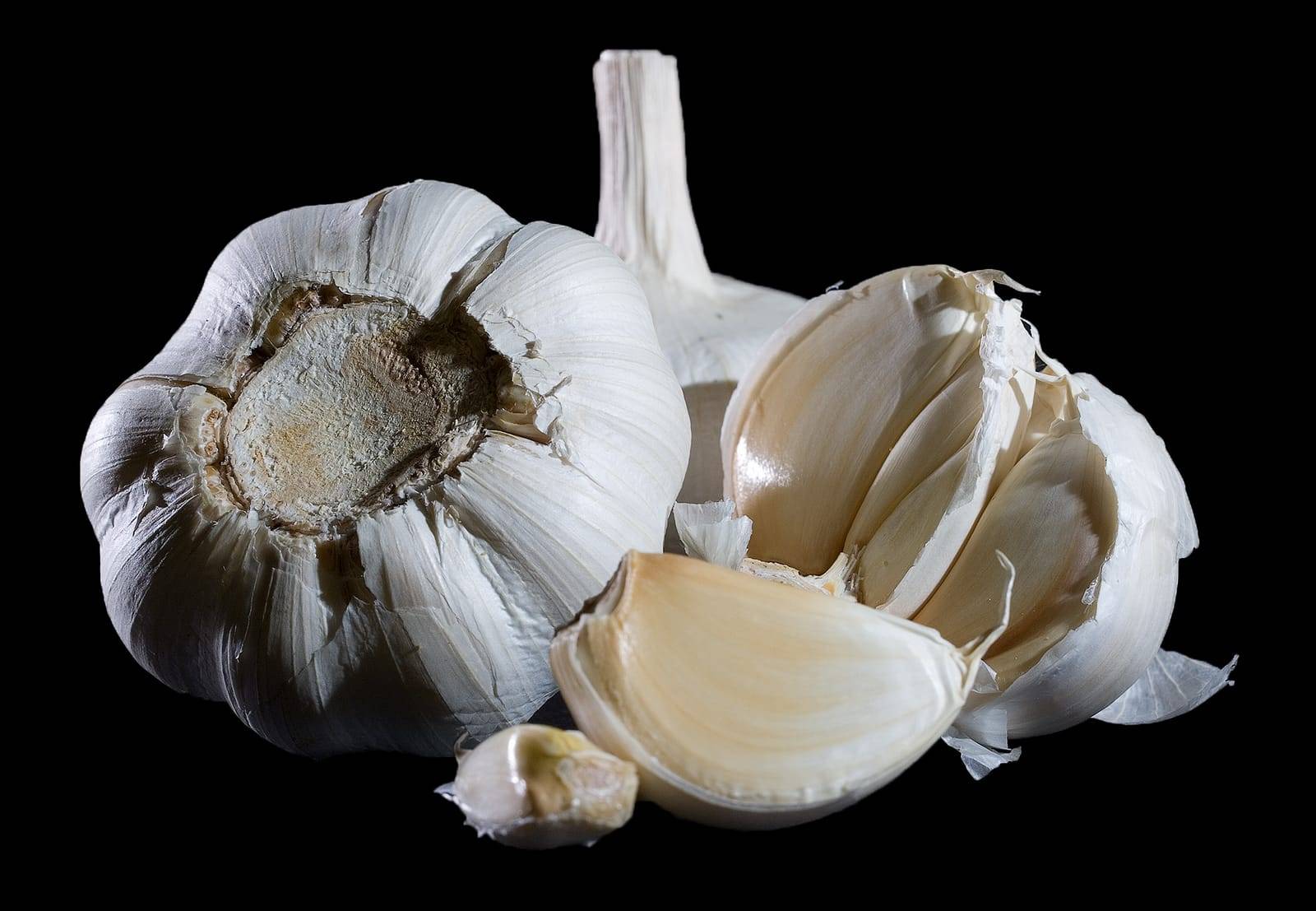
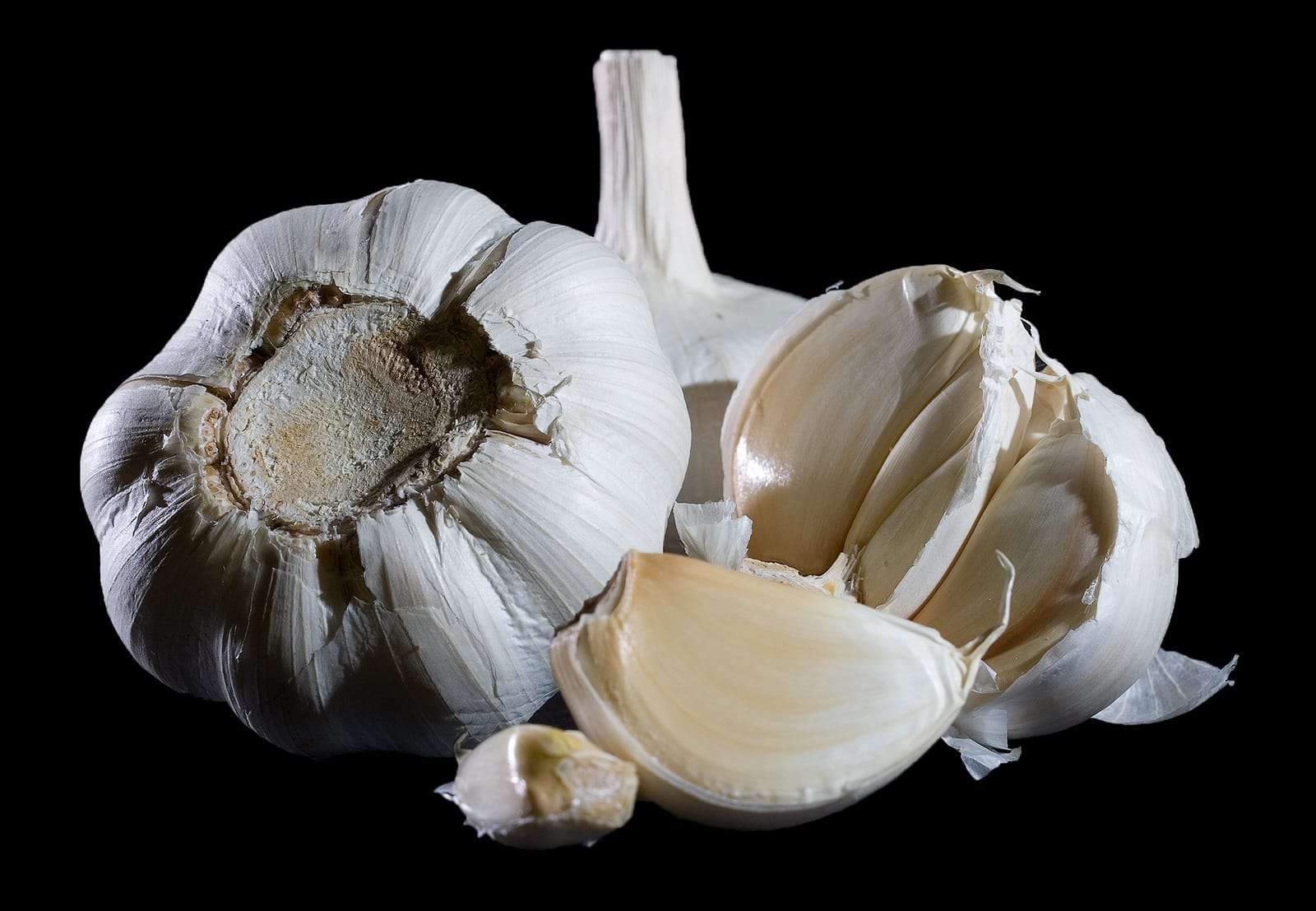
At a glance
Garlic in the Deccan plateau
Rabi: planted from August to October8
About 4.5 to 5 months from planting to lifting.
No published guide covers this for the Deccan plateau, so this is an AI suggestion. Check it with local advice before you rely on it.- Part of this comes from the sources cited. The rest is an AI suggestion.
Across India
When to sow it
Twelve growing regions, January to December. Your region comes first.
Too late this season
The window here was August to October. The next one opens in August.
- Sow
- Harvest
- Today
- Not suited here
Compare all 12 regionsShow fewer regions
See the dates as a table
| Region | Sow | Nursery | Transplant | Harvest |
|---|---|---|---|---|
| Deccan plateau | August to October | March to April | ||
| Temperate Himalaya | September to OctoberMarch to April | June to early JulyLate August to September | ||
| Cold desert | Not suited here | |||
| Sub-tropical foothills | Late September to late OctoberLate August to September | March to April | ||
| North-west plains | Last week of September to first week of October | Late March to April | ||
| Gangetic plains | September to NovemberOctober to November | March to April | ||
| North-east hills and valleys | Not suited here | |||
| Arid west | October to November | March to April | ||
| Central plateau | August to October | March to April | ||
| South interior | June to JulyOctober to NovemberAugust to October | |||
| West coast | Not suited here | |||
| East coast | Not suited here | |||
From seed to harvest
One season, day by day
Days from sowing
Before sowing
Field preparation
Farmyard manure
50 t per hectare
Mix into the soil while preparing the field.
Day 0
Sow
Day 130 to 160
Last picking
No published guide covers this for the Deccan plateau, so this is an AI suggestion. Check it with local advice before you rely on it.
Before sowing
Farmyard manure8
50 t per hectare · Mix into the soil while preparing the field. · Field preparation
Day 0
Sow
Day 7 to 14
Seeds come up1,2,4,5,6,8Part of this comes from the sources cited. The rest is an AI suggestion.
Day 130 to 160
Last pickingNo published guide covers this for the Deccan plateau, so this is an AI suggestion. Check it with local advice before you rely on it.
Water every 8 to 15 days, more at bulb formation and bulb enlargement.8
What it needs
Soil, sun and warmth
Soil pH1,4,8
6 to 7
Fertile, well drained, friable loam rich in humus. Heavy soils that crust after watering, and very acid, alkaline or saline soils, do not suit it.
SunlightNo published guide covers this for the Deccan plateau, so this is an AI suggestion. Check it with local advice before you rely on it.
Full sun. Bulbs stay small in shade.
Temperature3,5,8
Grows best at 13 to 24 °C
Takes hard frost.
Monthly temperatures for the Deccan plateau aren't in the library yet.
Water and feeding
Watering8
Water about every 8 days while the plants grow leaves and every 10 to 15 days as the bulbs fill. Stop once the tops start to fall over or dry so the soil dries before harvest. Watering after a long dry spell splits bulbs, and too much water makes them sprout.
Weeding8
Weed by hand a month after planting and again a month later. Hoe just before the bulbs form, about 2.5 months after planting, for bigger, well filled bulbs.
| When | What | How much | How |
|---|---|---|---|
| Field preparation | Farmyard manure | 50 t per hectare | Mix into the soil while preparing the field. |
Varieties and yield
100 to 200 quintals a hectare
Yields vary with the plot, the seed and the season.
Good neighbours7
Pests and diseases7
Organic and cultural controls only.
Onion thrips (Thrips tabaci)
Signs
Tiny insects rasp the leaves, which turn silvery white in blotches; wounds let leaf blight in.
What to do
- Set up blue sticky traps or blue water pans 15 cm above the crop, 4 to 5 an acre, to watch numbers.
- Sprinkler watering keeps thrips numbers lower than drip or flood watering.
- Conserve predators such as predatory thrips, pirate bugs, ladybird beetles, lacewings and spiders.
Prevention
- Grow two rows of maize, or wheat inside maize, around the plot as a barrier crop.
- Do not plant garlic next to or after onion.
- Plant new fields upwind of older ones.
Onion maggot (Delia antiqua)
Signs
Maggots enter the bulb through the roots; plants yellow and wilt, and bulbs rot.
What to do
- Conserve ground beetles, rove beetles and spiders with grassy strips at the field edge.
Prevention
- Avoid planting too close.
- Rotate crops and keep the field clean.
Bulb mite (Rhizoglyphus robini)
Signs
Mites feed on the base of the bulb and the roots; plants are stunted and bulbs rot.
What to do
- Flood watering lowers mite numbers in the soil.
Prevention
- Plant clean cloves.
- Avoid planting after cauliflower or cabbage, or after another garlic or onion crop.
Eriophyid mite and red spider mite
Signs
Leaves stay twisted, streaked or yellow; red spider mites leave fine webbing.
What to do
- A strong spray of water washes mites off the plants.
- Conserve predatory mites, ladybird beetles and lacewings.
Prevention
- Do not grow garlic or onion one after the other.
Purple blotch (Alternaria porri)
Signs
Small sunken spots on leaves grow into purple patches with rings; leaves collapse.
What to do
- Soak cloves in hot water at 50 °C for 20 minutes before planting.
Prevention
- Plant healthy cloves.
- Rotate for 2 to 3 years with crops that do not host it.
- Keep the field well drained.
Stemphylium leaf blight
Signs
Small yellow to orange spots or streaks in the middle of the leaves.
What to do
- Collect and destroy crop remains.
Prevention
- Rotate for several years.
- Keep the field drained and do not crowd the plants.
Basal rot and white rot
Signs
Leaves yellow and die back from the tip; roots and the bulb base rot, with white mould in white rot.
What to do
- Solarise the soil under clear polythene for 30 days in summer.
- Plough deep in summer.
Prevention
- Rotate for 4 to 5 years with crops that do not host it.
- Keep the field drained and avoid injuring the bulbs.
Storage moulds and rots
Signs
Black or green powdery mould, or soft rot, on stored bulbs.
What to do
- Sort out and remove spoiled bulbs.
Prevention
- Leave lifted bulbs to dry in the field for 2 days, then in shade for 10 to 15 days, before storing.
- Store in an airy place and do not bruise the bulbs.
Seed and the season's end
Saving seed5,7,8
Keep planting stock only from healthy bulbs of a clean crop.
When the seed is ready
Bulbs are ready when the tops turn yellow or brown, dry and bend over.
Cleaning the seed
Split bulbs into cloves only at planting time, and plant the outer cloves, about 8 to 10 mm across.
Dry the bulbs well before storing and keep them in an airy room; avoid bruising them. Cold stores hold them at 0 to 2 °C and 60 to 70% humidity.
After the last pickingNo published guide covers this for the Deccan plateau, so this is an AI suggestion. Check it with local advice before you rely on it.
Lift the crop before the hot weather and the first pre-monsoon rain. Follow with a summer green manure or a kharif cereal, not onion.
Collect and destroy diseased plant remains and the culls thrown out of storage.
Rotation
Do not follow garlic or onion with garlic. Rotate with a cereal, a cucurbit or a cabbage family crop, for 2 to 3 years where purple blotch has been seen and 4 to 5 years where basal rot or white rot has. Avoid planting garlic straight after cauliflower or cabbage, whose rotting remains can carry bulb mites.
Sources
Where this comes from
Our team has checked this guide against the sources at the end of the page.Reviewed by our team on 13 November 2026.
These published guides are the sources. Where none of them covers a detail for this region, the page shows an AI suggestion and labels it.
- Package of Practices for Vegetable Crops 2020 (Garlic; insect-pest and disease management in bulb crops; cropping systems)Directorate of Extension, Sher-e-Kashmir University of Agricultural Sciences and Technology of Jammu (SKUAST-Jammu)Read the source
- Garlic production technology (Indian Horticulture 62(6), 2017)ICAR-Directorate of Onion and Garlic Research, Rajgurunagar, Pune (Khade, Thangasamy and Gorrepati)Read the source
- AESA based IPM package: GarlicNational Institute of Plant Health Management and Directorate of Plant Protection, Quarantine and Storage, Government of IndiaRead the source
- Agro techniques: garlicNational Horticultural Research and Development Foundation (NHRDF), NashikRead the source
AI Farm Manager · In development
Plan this crop on your land
AI Farm Manager will turn guides like this one into a plan for your own plot. It doesn't make plans yet.