
Growing mustard
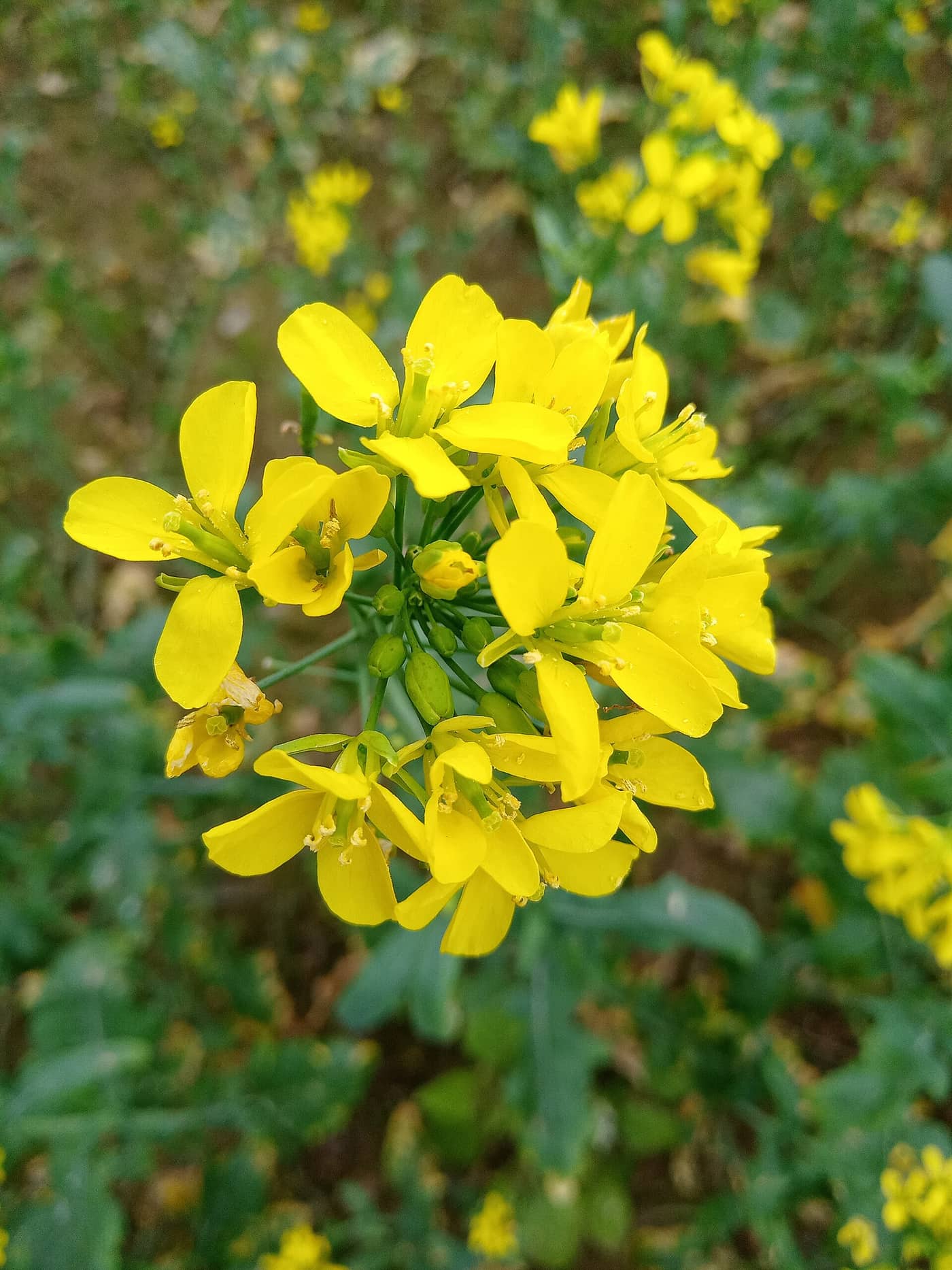
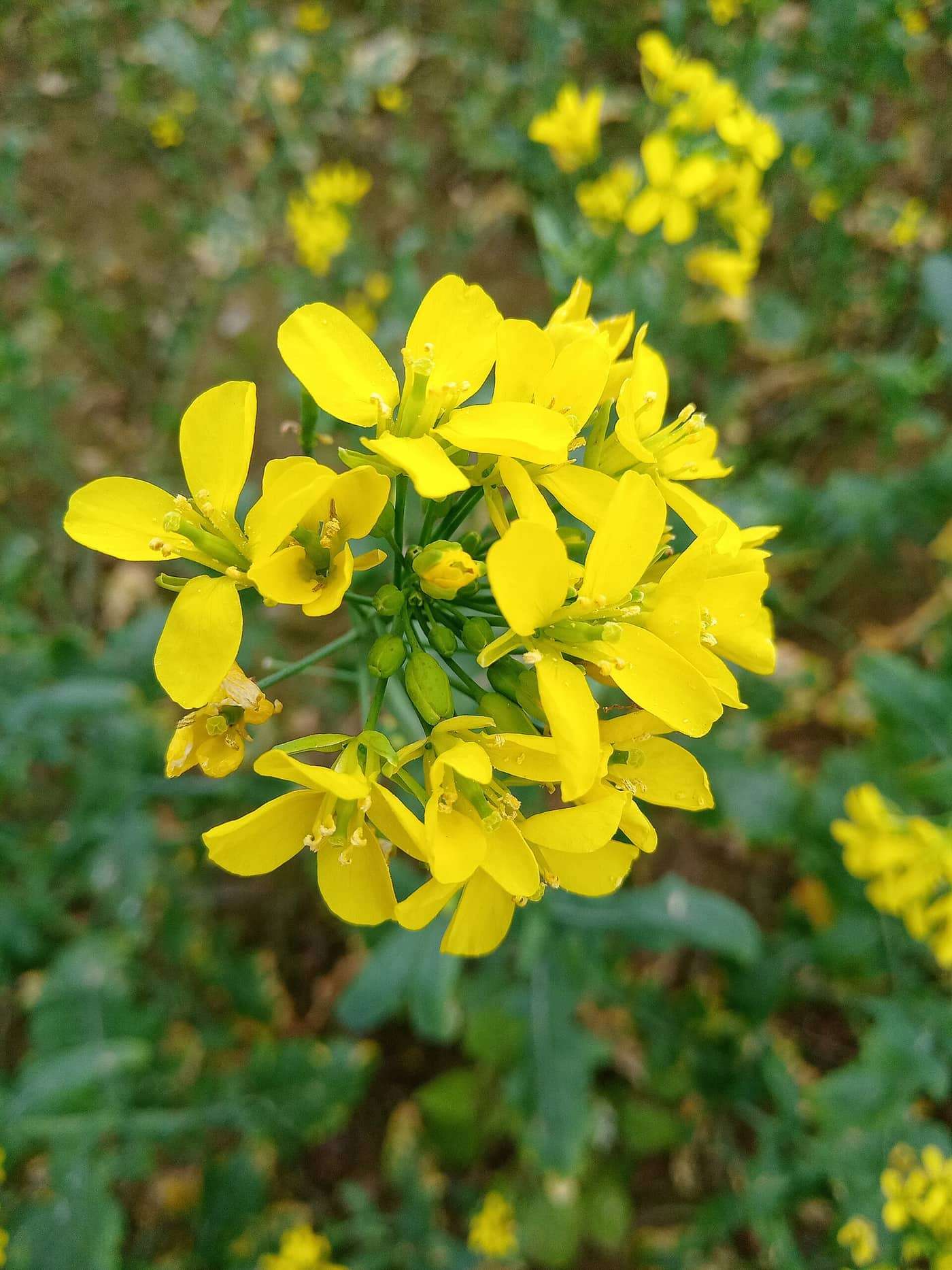
Brassica juncea · also called Sarson, Raya, RaiIndian mustard, the main winter oilseed of the north and centre. It needs little water, grows on most soils that drain, and wants a cool start and a warmer finish.
North-west plains: Punjab, Haryana, Delhi, western Uttar Pradesh
At a glance
Mustard in the North-west plains
Across India
When to sow it
Twelve growing regions, January to December. Your region comes first.
Sow now
The window here is Mid October to mid November.
- Sow
- Harvest
- Today
- Not suited here
Compare all 12 regionsShow fewer regions
See the dates as a table
| Region | Sow | Nursery | Transplant | Harvest |
|---|---|---|---|---|
| North-west plains | Mid October to mid November | March | ||
| Temperate Himalaya | Late September to October | Late April to May | ||
| Cold desert | Not suited here | |||
| Sub-tropical foothills | 15 to 25 October (timely sowing)September, for early varietiesFirst half of November, late sown | March to early April | ||
| Gangetic plains | 10 to 25 October | Late February to March | ||
| North-east hills and valleys | Late October to mid November | February to early March | ||
| Arid west | 10 to 25 October | Late February to March | ||
| Central plateau | 10 to 25 October | Late February to March | ||
| Deccan plateau | Late October to mid November | February to early March | ||
| South interior | Late October to November | February to early March | ||
| West coast | Not suited here | |||
| East coast | November | February | ||
From seed to harvest
One season, day by day
Days from sowing
Before sowing
field preparation
Well rotted farmyard manure
8 to 10 tonnes per hectare
Mix in before the pre-sowing irrigation (AI suggestion)
2Part of this comes from the sources cited. The rest is an AI suggestion.
Day 0
Sow
just before sowing
Pseudomonas putida biofertiliser
250 g per acre, on the seed
Moisten the seed for one acre with 50 to 100 mL of water, mix in the biofertiliser, dry in shade and sow soon
2Part of this comes from the sources cited. The rest is an AI suggestion.
Before sowing
Well rotted farmyard manure2Part of this comes from the sources cited. The rest is an AI suggestion.
8 to 10 tonnes per hectare · Mix in before the pre-sowing irrigation (AI suggestion) · field preparation
Day 0
Sow
Pseudomonas putida biofertiliser
250 g per acre, on the seed · Moisten the seed for one acre with 50 to 100 mL of water, mix in the biofertiliser, dry in shade and sow soon
Day 4 to 7
Seeds come up1,2,4Part of this comes from the sources cited. The rest is an AI suggestion.
Day 135 to 150
Last picking2Part of this comes from the sources cited. The rest is an AI suggestion.
Water every 7 days, more at 3 to 4 weeks after sowing, flowering, pod formation and seed filling.2
What it needs
Soil, sun and warmth
Soil pH1,2Part of this comes from the sources cited. The rest is an AI suggestion.
6 to 8
Grows on heavy and light soils alike, and does well on well drained light to medium loam. Slightly tolerant of salt, not of waterlogging. Needs a fine, firm seedbed.
SunlightNo published guide covers this for the North-west plains, so this is an AI suggestion. Check it with local advice before you rely on it.
At least 6 hours a day
Full sun in an open field.
Temperature1Part of this comes from the sources cited. The rest is an AI suggestion.
Grows best at 15 to 25 °C
Takes light frost.
Monthly temperatures for the North-west plains aren't in the library yet.
Water and feeding
Watering2
Sow after a heavy pre-sowing irrigation. Irrigate 3 to 4 weeks after sowing to push the roots deeper, and again at flowering if needed; give it earlier if frost threatens. Do not irrigate between 25 December and 15 January, to keep stem rot down. Drip at 7-day intervals also works.
Weeding2
One or two hoeings, preferably with a wheel hand hoe: the first 3 to 4 weeks after sowing, the second 3 weeks later if needed. Thin at three weeks to leave 10 to 15 cm between plants.
| When | What | How much | How |
|---|---|---|---|
| field preparation | Well rotted farmyard manure | 8 to 10 tonnes per hectare | Mix in before the pre-sowing irrigation (AI suggestion) |
| just before sowing | Pseudomonas putida biofertiliser | 250 g per acre, on the seed | Moisten the seed for one acre with 50 to 100 mL of water, mix in the biofertiliser, dry in shade and sow soon |
Varieties and yield
17 to 22 quintals a hectare
Yields vary with the plot, the seed and the season.
Giriraj
Timely sown, irrigated; bold seed, tolerates end-of-season heat; 144 days
RLC 3
Canola quality, yellow seed, resistant to white rust; timely sown, irrigated; 145 days
PBR 357
Timely sown, irrigated; 145 days
PBR 97
Rainfed; 136 days
PBR 91
South-western Punjab, timely sown, irrigated; 145 days
PHR 127, PHR 126 and RCH 1
PAU hybrids; fresh seed every year
Good neighbours1
Organic and cultural controls only.
Painted bug
Signs
Serious on the sprouting crop in October and again on the mature crop in March and April. The bugs suck sap from leaves and pods, which dry up.
What to do
- Give the first irrigation 3 to 4 weeks after sowing
Mustard aphid
Signs
Green plant lice cover the flower shoots and pods. Plants stay stunted, pods shrivel and seed does not form. Cold, cloudy weather favours it; it turns serious around mid-January.
What to do
- Sow on time, preferably by the third week of October
- From the first week of January, check 12 to 16 scattered plants an acre twice a week
Prevention
- Conserve ladybird beetles and other natural enemies
Mustard sawfly
Signs
Larvae bite holes in the leaves of the young crop and can eat them all.
What to do
- Collect and destroy larvae in the morning and evening
Hairy caterpillar and cabbage caterpillar
Signs
Caterpillars eat leaves, shoots and green pods; young ones feed in groups, older ones move from field to field.
What to do
- Pick and destroy the infested leaves while the caterpillars still feed in groups
Alternaria blight
Signs
Brown to black spots with rings on leaves, pods and stems. Warm (15 to 25 °C) and humid weather favours it.
What to do
- Destroy diseased debris of the last crop
Downy mildew
Signs
Small light green patches under the leaves turn grey, dry and tear. Cool (10 to 20 °C), very humid weather favours it.
What to do
- Destroy diseased debris of the last crop
White rust
Signs
Creamy white blisters under the leaves; flowers swell, turn club shaped and sterile.
What to do
- Destroy diseased debris of the last crop
- Grow resistant varieties such as RLC 3
Sclerotinia stem rot
Signs
Water-soaked patches on the stem turn white and cottony, with black bodies inside. Plants wilt and dry, usually in January.
What to do
- Do not irrigate between 25 December and 15 January
Phyllody
Signs
Plants turn bushy and flowers become leafy.
What to do
- Avoid early sowing
- Pull out affected plants
Seed and the season's end
Saving seed2,4
For pure seed keep raya at least 300 m from other raya, gobhi sarson and African sarson. Pull off-type plants before flowering and again before harvest. Save seed only from plants free of stag heads.
When the seed is ready
About 75% of the pods brown or golden yellow.
Cleaning the seed
Stack the cut plants to dry, then thresh.
Sun-dry for about a week to below 8% moisture and store dry. Hybrid seed cannot be saved: buy fresh every year.
After the last picking2
Stack and thresh soon after cutting. Rotations that fit: early fodder, maize or bajra, then raya, then summer moong; or cotton or rice, then raya.
Plough mustard straw back in; followed by a Sesbania green manure in kharif it gave the highest yields in ICAR-DRMR trials.
Rotation
Do not follow mustard with mustard where broomrape appeared. Rotate with cereals and legumes; cowpea, black gram, moth bean, sunhemp, cluster bean or sesame before mustard cut broomrape.
Sources
Where this comes from
Our team has checked this guide against the sources at the end of the page.Reviewed by our team on 13 November 2026.
These published guides are the sources. Where none of them covers a detail for this region, the page shows an AI suggestion and labels it.
- Package of Practices for Crops of Punjab, Rabi 2025-26 (Rapeseed and mustard: raya)Punjab Agricultural University, LudhianaRead the source
- AESA based IPM package: Mustard/RapeseedNational Institute of Plant Health Management (NIPHM) with the Directorate of Plant Protection, Quarantine and Storage, Ministry of AgricultureRead the source
- Package of practices for organic production of rapeseed-mustard (Indian Farming 74(9): 14-18, September 2024)ICAR-Directorate of Rapeseed-Mustard Research, Bharatpur (Choudhary, Jat, Singh and Dotaniya), in Indian Farming, ICARRead the source
- Scope for large-scale economic cultivation of mustard (Brassica juncea L.) in non-traditional areas of Karnataka (Journal of Oilseed Brassica 17(2): 109-113, July 2026)ICAR-IARI Regional Station Wellington, ZARS Kalaburagi (UAS Raichur), IARI-RRC Dharwad, ICAR-KVK Hirehalli and ICAR (Nanjundan and others)Read the source
AI Farm Manager · In development
Plan this crop on your land
AI Farm Manager will turn guides like this one into a plan for your own plot. It doesn't make plans yet.