
Growing brinjal
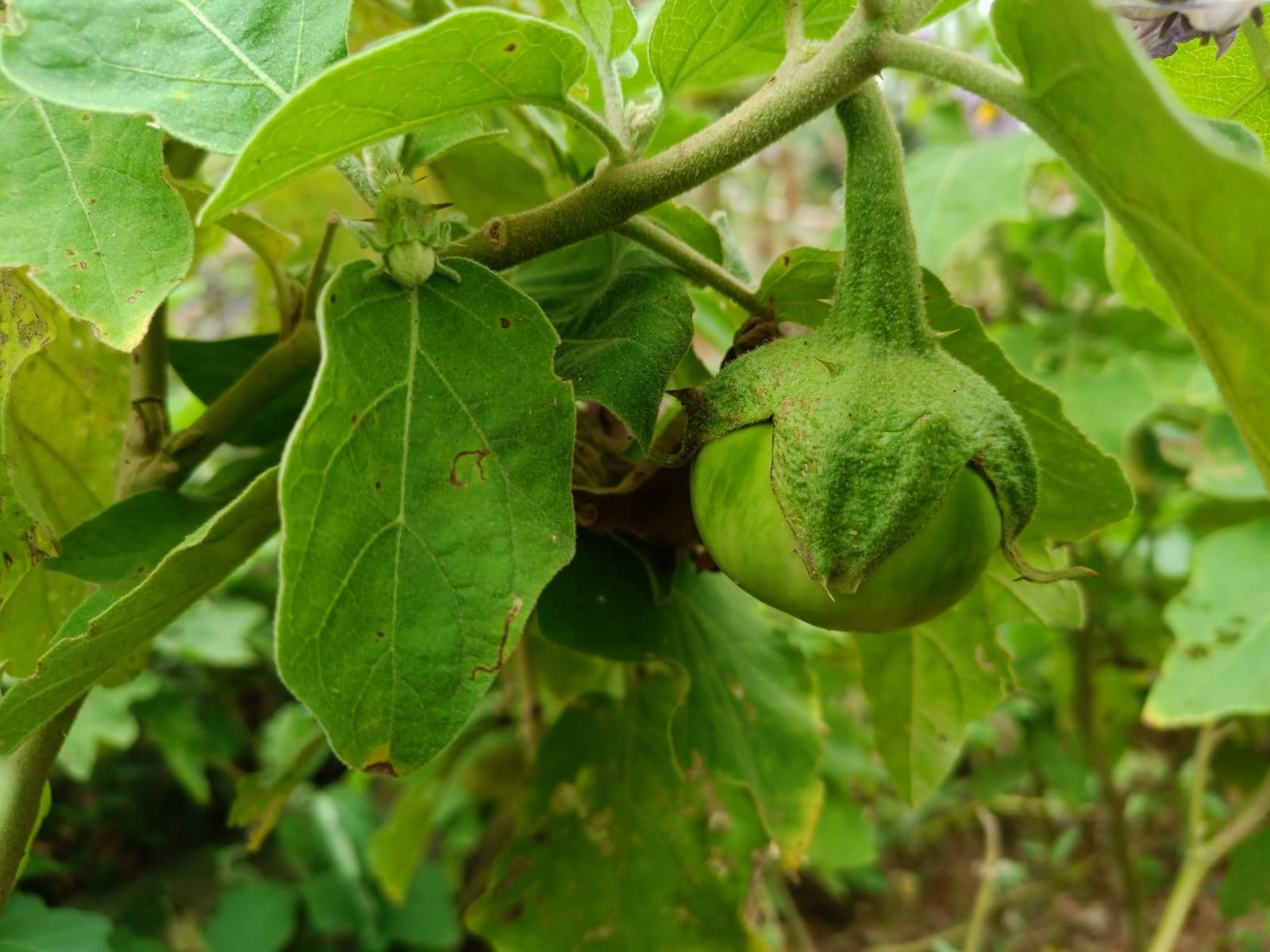
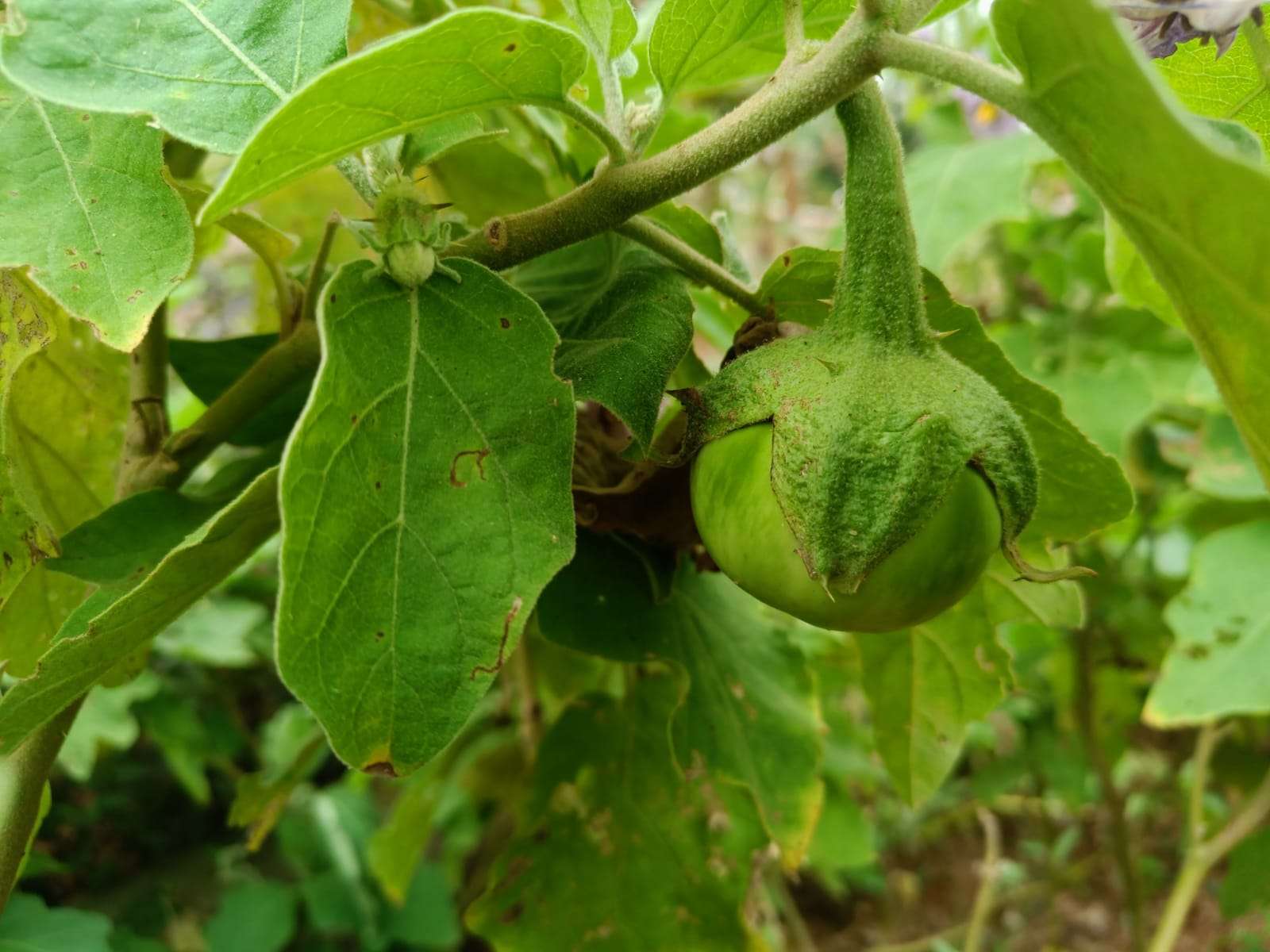
Solanum melongena · also called Baingan, Wangun (Kashmiri)A warm season fruit vegetable raised in a nursery and transplanted. It needs a long, sunny, frost-free season and bears over several months.
Cold desert: Ladakh, Lahaul and Spiti
At a glance
Brinjal in the Cold desert
Summer, under cover
No published guide covers this for the Cold desert, so this is an AI suggestion. Check it with local advice before you rely on it.About 5 to 6 months from nursery sowing to the last picking, inside a greenhouse.
No published guide covers this for the Cold desert, so this is an AI suggestion. Check it with local advice before you rely on it.60 to 75 days after sowing
No published guide covers this for the Cold desert, so this is an AI suggestion. Check it with local advice before you rely on it.
Across India
When to sow it
Twelve growing regions, January to December. Your region comes first.
Under cover only
Under cover, from Late March to April, under cover.
- Nursery
- Transplant
- Harvest
- Under cover
- Today
Compare all 12 regionsShow fewer regions
See the dates as a table
| Region | Sow | Nursery | Transplant | Harvest |
|---|---|---|---|---|
| Cold desertUnder cover only | Under cover: Late March to April, under cover | Under cover: May, in the greenhouse | Under cover: July to September | |
| Temperate Himalaya | March to MayApril | April to JuneEnd of May | July to September | |
| Sub-tropical foothills | JanuaryFebruary to MarchMayMarch to AprilUnder cover: December, under low poly tunnels | FebruaryMarch to AprilJuneApril to MayUnder cover: January, into trenches | ||
| North-west plains | OctoberNovember, protected from frostFebruary to MarchJuly | NovemberFirst half of FebruaryBy the end of AprilAugust | ||
| Gangetic plains | October to NovemberMay to June | November to DecemberJune to July | ||
| North-east hills and valleys | Early September to OctoberJanuary to February | October to NovemberFebruary to March | ||
| Arid west | June to JulyOctober to NovemberFebruary to March | July to AugustNovember to DecemberMarch to April | ||
| Central plateau | June to JulyOctober to NovemberFebruary to March | July to AugustNovember to DecemberMarch to April | ||
| Deccan plateau | June to JulyOctober to NovemberFebruary to March | July to AugustNovember to DecemberMarch to April | ||
| South interior | December to JanuaryMay to June | January to FebruaryJune to July | ||
| West coast | May to June, before the monsoonSeptember to October | |||
| East coast | December to JanuaryMay to June | January to FebruaryJune to July |
From seed to harvest
One season, day by day
Days from sowing
Before sowing
Bed preparation
Well rotted farmyard manure or compost
about 3 to 4 kg per m²
Mix into the greenhouse beds before planting.
About a month after transplanting
Vermicompost
about 200 g per plant
Place around the plants and water in.
No published guide covers this for the Cold desert, so this is an AI suggestion. Check it with local advice before you rely on it.
Day 0
Sow
Day 60 to 75
First picking
Every 7 days
No published guide covers this for the Cold desert, so this is an AI suggestion. Check it with local advice before you rely on it.
Day 150 to 180
Last picking
No published guide covers this for the Cold desert, so this is an AI suggestion. Check it with local advice before you rely on it.
Before sowing
Well rotted farmyard manure or compost
about 3 to 4 kg per m² · Mix into the greenhouse beds before planting. · Bed preparation
VermicompostNo published guide covers this for the Cold desert, so this is an AI suggestion. Check it with local advice before you rely on it.
about 200 g per plant · Place around the plants and water in. · About a month after transplanting
Day 0
Sow
Day 6 to 10
Seeds come up5,7Part of this comes from the sources cited. The rest is an AI suggestion.
Day 25 to 30
Day 60 to 75
First pickingNo published guide covers this for the Cold desert, so this is an AI suggestion. Check it with local advice before you rely on it.
Every 7 days
Day 150 to 180
Last pickingNo published guide covers this for the Cold desert, so this is an AI suggestion. Check it with local advice before you rely on it.
Water every 3 to 5 days, more at flowering and fruit development.No published guide covers this for the Cold desert, so this is an AI suggestion. Check it with local advice before you rely on it.
What it needs
Soil, sun and warmth
Soil pH3,1,2
5.5 to 6.8
Grows on most soils, from light sandy to heavy clay, if they are deep, fertile and well drained. Silt loam and clay loam suit it most; sandy loam gives an earlier crop.
Sunlight1
Full sun. It needs a long, warm growing season with plenty of sunshine.
Temperature1,2,3
Grows best at 21 to 27 °C
Frost: none tolerated.
Monthly temperatures for the Cold desert aren't in the library yet.
Water and feeding
WateringNo published guide covers this for the Cold desert, so this is an AI suggestion. Check it with local advice before you rely on it.
Water little and often to keep the beds evenly moist; the dry air dries soil quickly. Water in the morning so leaves dry before the cold night.
WeedingNo published guide covers this for the Cold desert, so this is an AI suggestion. Check it with local advice before you rely on it.
Hand weed the beds two or three times in the first six weeks, or mulch them.
| When | What | How much | How |
|---|---|---|---|
| Bed preparation | Well rotted farmyard manure or compost | about 3 to 4 kg per m² | Mix into the greenhouse beds before planting. |
| About a month after transplanting | Vermicompost | about 200 g per plant | Place around the plants and water in. |
Varieties and yield
2 to 3 kg a plant
Yields vary with the plot, the seed and the season.
Pests and diseasesNo published guide covers this for the Cold desert, so this is an AI suggestion. Check it with local advice before you rely on it.
Organic and cultural controls only.
Aphids and whitefly
Signs
Small insects under the leaves; sticky leaves.
What to do
- Hang yellow sticky traps.
- Spray neem seed kernel extract 5%.
Prevention
- Keep the greenhouse doors netted.
Spider mites
Signs
Pale specks and fine webbing in warm dry air.
What to do
- Remove badly affected leaves.
- Spray neem seed kernel extract 5%.
Prevention
- Keep humidity up by damping the paths.
Damping off
Signs
Seedlings rot at the base in the nursery.
What to do
- Treat seed with Trichoderma viride before sowing.
Prevention
- Use a clean, well drained nursery mix and do not overwater.
Seed and the season's end
Saving seed1,2,3
Grow seed plants at least 200 m from other brinjal varieties. Check the crop three times (at growth, at flowering and fruiting, and before harvest) and pull out off-types and diseased plants.
When the seed is ready
Seed fruits are ready when at least a third of the fruit has turned yellow.
Cleaning the seed
Cut or crush ripe fruits and leave them overnight. Work the seed out by hand in a tub of water: the flesh floats and the seed sinks. Wash several times and do it in the morning so the seed dries the same day.
Dry the seed straight after washing, in part shade, before packing and labelling it.
After the last pickingNo published guide covers this for the Cold desert, so this is an AI suggestion. Check it with local advice before you rely on it.
The crop ends when nights in the greenhouse turn too cold in late September or October. Compost healthy plants.
Remove and destroy infested plants and crop residues straight after the last harvest, so borers and disease do not carry over to the next crop.
Rotation
Do not grow brinjal on the same land year after year. Rotate with crops outside the tomato family, such as maize, soybean, wheat, rice, sesame or a green manure, which also lowers bacterial wilt. Avoid following brinjal with potato.
Growing under coverNo published guide covers this for the Cold desert, so this is an AI suggestion. Check it with local advice before you rely on it.
Grow in a polyhouse or trench greenhouse. Raise seedlings indoors or under polythene from late March and plant them in the greenhouse in May, when nights inside stay above about 10 °C. Open the vents on sunny days so it does not overheat.
Sources
Where this comes from
Our team has checked this guide against the sources at the end of the page.Reviewed by our team on 13 November 2026.
These published guides are the sources. Where none of them covers a detail for this region, the page shows an AI suggestion and labels it.
- Production Technology of Vegetables and Flowers (VSF-231), Part I: Vegetable production (Brinjal)CSK Himachal Pradesh Krishi Vishvavidyalaya, Palampur (College of Agriculture course notes)Read the source
- AESA based IPM package: BrinjalNational Institute of Plant Health Management (NIPHM) and Directorate of Plant Protection, Quarantine and Storage, Government of IndiaRead the source
- Brinjal: package of practices (source NHB)Vikaspedia (Government of India), citing the National Horticulture BoardRead the source
- Brinjal (eggplant): varieties developed by IIVR and cultivation detailsICAR-Indian Institute of Vegetable Research, VaranasiRead the source
- Horticulture: Vegetables: Brinjal (season, seed, cultural practices, manuring, irrigation, yield, varieties), TNAU Agritech PortalTamil Nadu Agricultural University, CoimbatoreRead the source
AI Farm Manager · In development
Plan this crop on your land
AI Farm Manager will turn guides like this one into a plan for your own plot. It doesn't make plans yet.