
Growing fodder oats
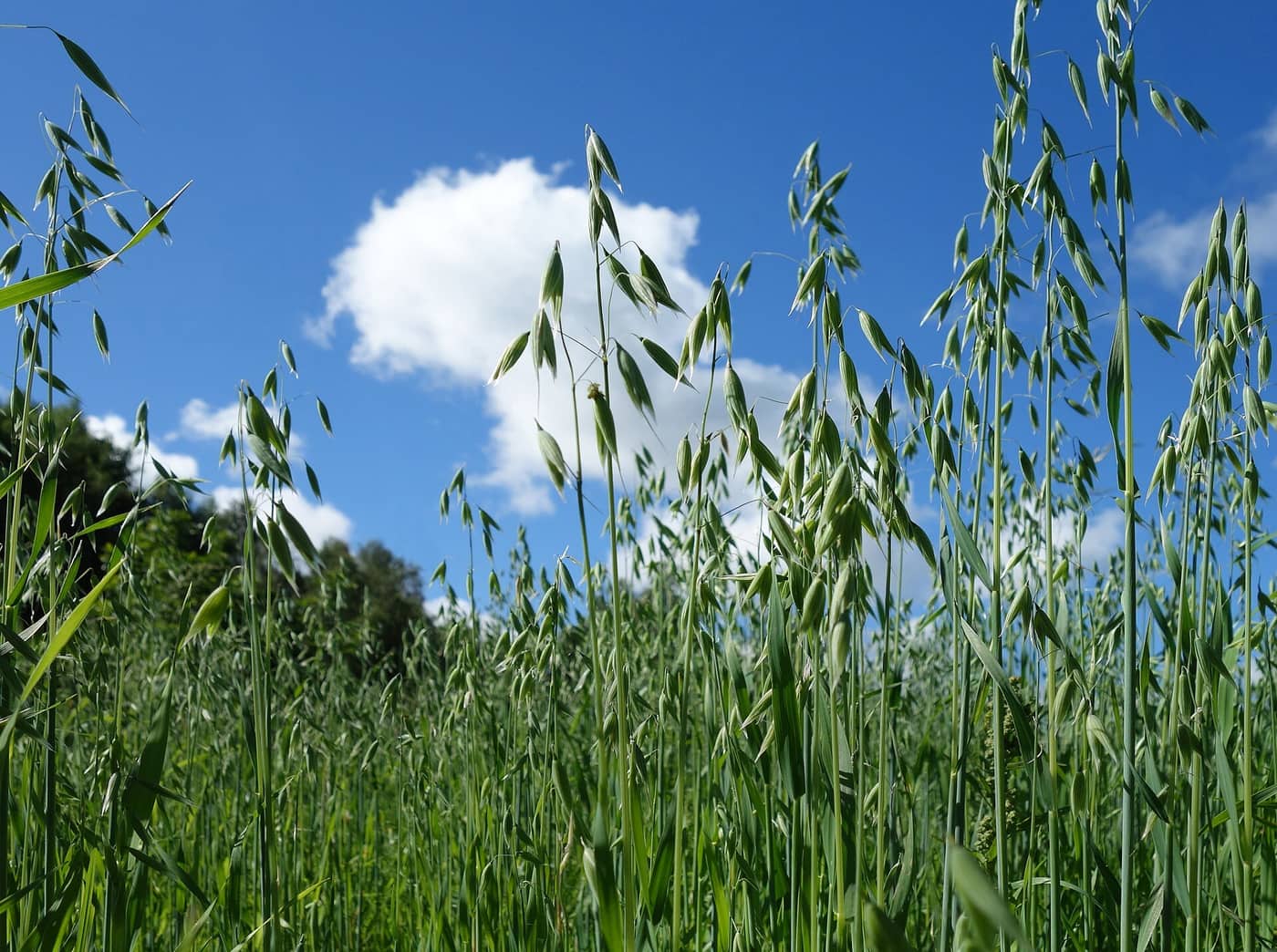
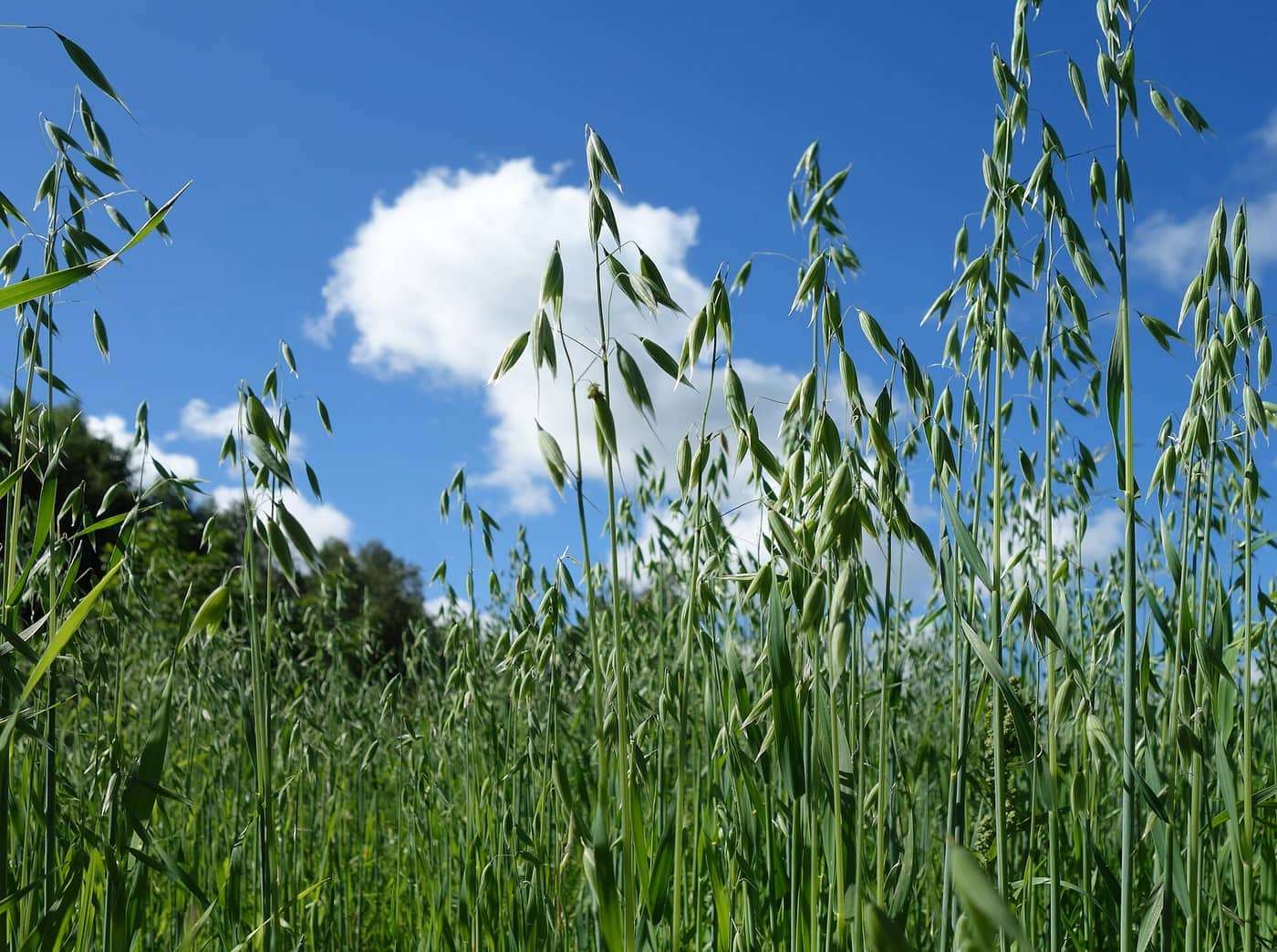
Avena sativa · also called jaiOats grown for green fodder, cut once or several times through the cool season and fed fresh, as silage or as hay. A rabi fodder of the plains and a cool-season fodder in the hills.
North-west plains: Punjab, Haryana, Delhi, western Uttar Pradesh
At a glance
Fodder oats in the North-west plains
Rabi. The second most important winter fodder after berseem.2
About 100 to 140 days from sowing to the last cut (AI suggestion).
No published guide covers this for the North-west plains, so this is an AI suggestion. Check it with local advice before you rely on it.Second to last week of October2
Part of this comes from the sources cited. The rest is an AI suggestion.65 to 70 days after sowing2
Across India
When to sow it
Twelve growing regions, January to December. Your region comes first.
Too late this season
The window here was Second to last week of October. The next one opens in November.
- Sow
- Harvest
- Today
- Not suited here
Compare all 12 regionsShow fewer regions
See the dates as a table
| Region | Sow | Nursery | Transplant | Harvest |
|---|---|---|---|---|
| North-west plains | Second to last week of OctoberSecond half of November, for a seed crop | Late December to early March | ||
| Temperate Himalaya | Late September to OctoberLate March to April, spring crop | Late April to early June | ||
| Cold desert | Late April to May | August to early September | ||
| Sub-tropical foothills | Mid-October to the first week of November | Late December to March | ||
| Gangetic plains | Late October to November | January to early March | ||
| North-east hills and valleys | Late October to November | January to March | ||
| Arid west | Late October to early November | January to early March | ||
| Central plateau | Late October to early November | January to early March | ||
| Deccan plateau | October to November | Late December to February | ||
| South interior | Late October to November | January to February | ||
| West coast | Not suited here | |||
| East coast | Not suited here | |||
From seed to harvest
One season, day by day
Days from sowing
Before sowing
Field preparation, 20 to 30 days before sowing
Farmyard manure (FYM)
15 t per hectare
Spread and work into the soil while preparing the field.
Day 0
Sow
Day 100 to 140
Last picking
No published guide covers this for the North-west plains, so this is an AI suggestion. Check it with local advice before you rely on it.
Before sowing
Farmyard manure (FYM)4
15 t per hectare · Spread and work into the soil while preparing the field. · Field preparation, 20 to 30 days before sowing
Day 0
Sow
Day 7 to 10
Seeds come up1,2,4,5Part of this comes from the sources cited. The rest is an AI suggestion.
Day 65 to 70
First picking2
Single-cut varieties once; multicut varieties twice.
Day 100 to 140
Last pickingNo published guide covers this for the North-west plains, so this is an AI suggestion. Check it with local advice before you rely on it.
Three to four irrigations, counting the one before sowing, are enough.2
What it needs
Soil, sun and warmth
Soil pH1,2,4
6 to 7
Grows on most soils except waterlogged, alkaline or strongly saline land. Loam and clay loam suit it in Jammu; the national guide favours well-drained sandy loam and loam.
SunlightNo published guide covers this for the North-west plains, so this is an AI suggestion. Check it with local advice before you rely on it.
At least 6 hours a day
Full sun in open fields.
Temperature1,2,4Part of this comes from the sources cited. The rest is an AI suggestion.
Grows best at 7 to 24 °C
Takes light frost.
Monthly temperatures for the North-west plains aren't in the library yet.
Water and feeding
Watering2
Three to four irrigations, counting the one before sowing, are enough.
Weeding2
Hoeing between rows is usually not needed, but pull weeds early if they come up.
| When | What | How much | How |
|---|---|---|---|
| Field preparation, 20 to 30 days before sowing | Farmyard manure (FYM) | 15 t per hectare | Spread and work into the soil while preparing the field. |
Varieties and yield
40 to 45 tonnes a hectare
Yields vary with the plot, the seed and the season.
OL 17
Single cut, irrigated areas, tall and leafy.
OL 15
Single cut, irrigated areas.
OL 14
Multicut, irrigated areas.
OL 16
Dual purpose: one fodder cut at 65 to 70 days, then grain.
Kent
Older variety for one or two cuts.
Grows well with
- Berseem
- Mustard
Pests and diseases2
Organic and cultural controls only.
Oat aphid
Signs
Appears from January to March and sucks sap, lowering fodder quality.
What to do
- Ladybird beetles, hoverflies and heavy rain keep it in check.
- Do not spray chemicals on fodder; they harm the animals and kill the aphid's enemies.
Loose smut
Signs
Single flowers in the panicle turn into masses of spores.
What to do
- Sow clean seed from a healthy crop.
Covered smut
Signs
Grains are replaced by black spore masses that stay closed in the spikelets until harvest.
What to do
- Pull out and destroy smutted heads.
- Sow clean seed from a healthy crop.
Seed and the season's end
Saving seed2Part of this comes from the sources cited. The rest is an AI suggestion.
For seed, sow in the second half of November at 15 kg an acre in rows 30 cm apart. A crop sown before 15 November can give one fodder cut at 65 to 70 days and then be left for seed.
When the seed is ready
Harvest when the panicles turn straw yellow and the grain is hard (AI suggestion).
Dry the seed well and store it in clean, closed bags away from damp and pests (AI suggestion). Pull out and destroy any smutted heads in the seed crop.
After the last picking4
Oats fit fodder rotations: sorghum with cowpea in kharif, then oats; or maize with cowpea, then oats, then maize with cowpea again.
Stubble left after the last cut can be grazed or ploughed in before the next crop (AI suggestion).
Rotation
Oats follow sorghum or maize grown with cowpea in kharif, or come straight after rice.
Sources
Where this comes from
Our team has checked this guide against the sources at the end of the page.Reviewed by our team on 13 November 2026.
These published guides are the sources. Where none of them covers a detail for this region, the page shows an AI suggestion and labels it.
- Package of Practices for Rabi Crops 2020: OatsDirectorate of Extension, SKUAST-JammuRead the source
- Package of Practices for Crops of Punjab, Rabi 2025-26: OatsPunjab Agricultural University, LudhianaRead the source
- Oats (Avena sativa): a potential winter fodder crop for better livestock production (Indian Farming 75(09), 2025)ICAR (Indian Farming); authors at ICAR-IGFRI, JhansiRead the source
AI Farm Manager · In development
Plan this crop on your land
AI Farm Manager will turn guides like this one into a plan for your own plot. It doesn't make plans yet.