
Growing groundnut
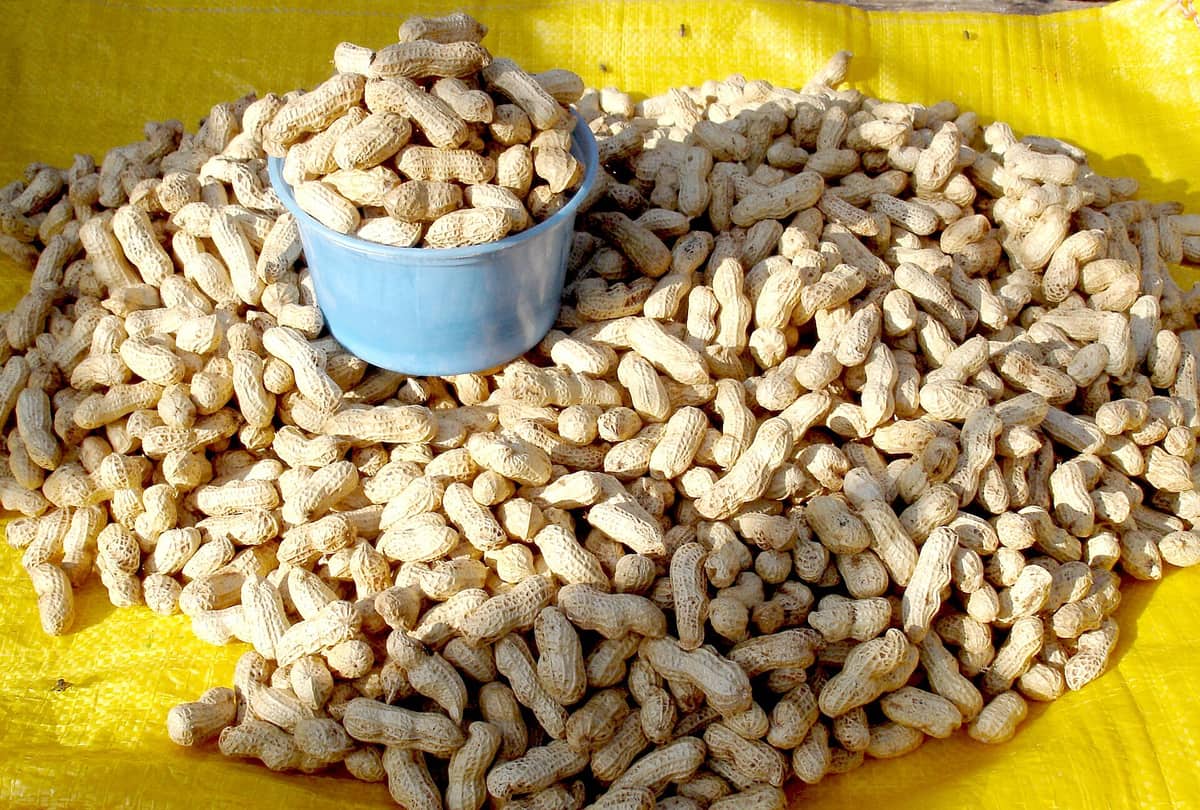
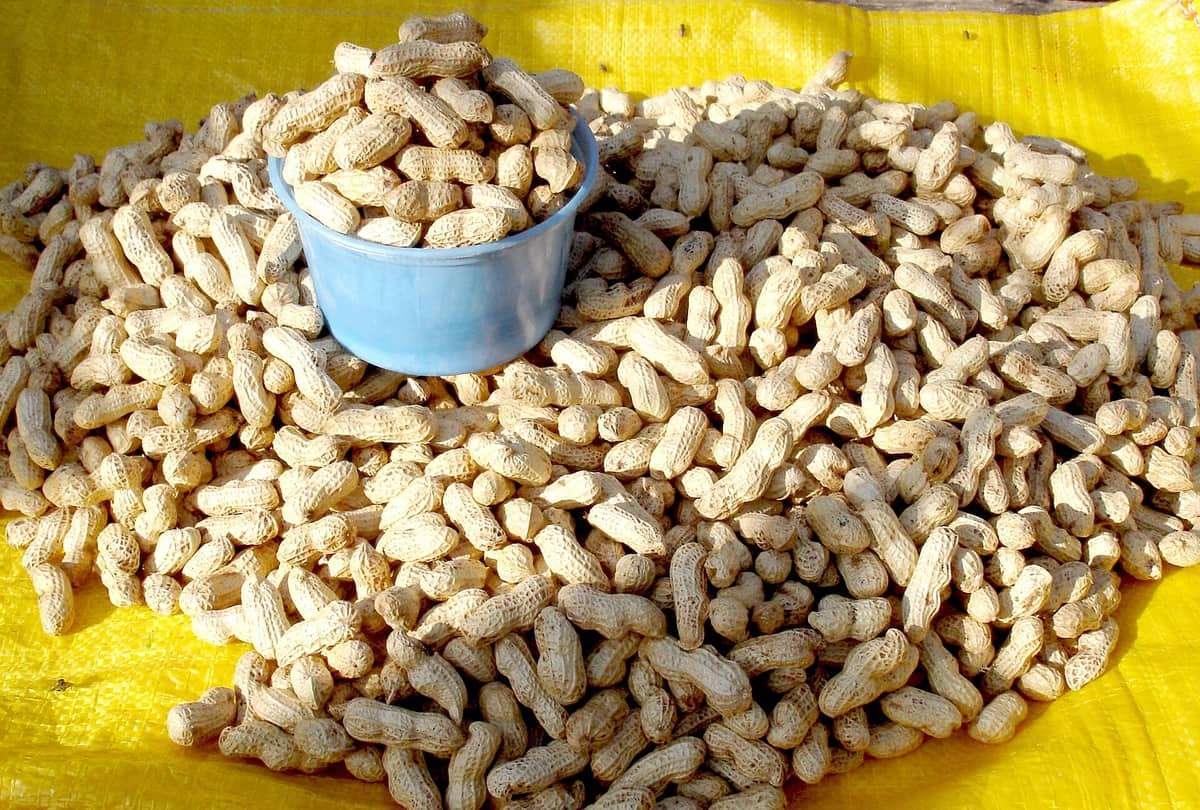
Arachis hypogaea · also called moongphaliA warm-season legume whose flowers push pegs into the soil, where the pods form. Grown for oil and snacks in the kharif across most of India, and in rabi and summer where water allows.
Sub-tropical foothills: Jammu, Kangra, Dehradun
At a glance
Groundnut in the Sub-tropical foothills
Rainfed: sown March to April or at the monsoon's onset (late June to early July). Irrigated: first half of June.1
SKUAST-Jammu gives no crop length; this range is an AI suggestion.
No published guide covers this for the Sub-tropical foothills, so this is an AI suggestion. Check it with local advice before you rely on it.March to April1
Part of this comes from the sources cited. The rest is an AI suggestion.
Across India
When to sow it
Twelve growing regions, January to December. Your region comes first.
- Sow
- Harvest
- Today
- Not suited here
Compare all 12 regionsShow fewer regions
See the dates as a table
| Region | Sow | Nursery | Transplant | Harvest |
|---|---|---|---|---|
| Sub-tropical foothills | March to AprilFirst half of JuneLast week of June to first week of July | October to early November | ||
| Temperate Himalaya | Not suited here | |||
| Cold desert | Not suited here | |||
| North-west plains | Second half of FebruaryEnd of April to end of MayLast week of June to first week of July | End of June to early JulyEnd of August to early SeptemberEarly November | ||
| Gangetic plains | Late June to early JulyFebruary to early March | October to early NovemberLate May to June | ||
| North-east hills and valleys | March to AprilLate October to November | Late July to AugustLate February to March | ||
| Arid west | Late June to early JulyLate January to February | October to early NovemberMay to early June | ||
| Central plateau | Late June to early JulyLate January to February | OctoberMay | ||
| Deccan plateau | Mid June to mid JulyMid January to mid FebruarySecond half of September | October to early NovemberLate May to June | ||
| South interior | June to JulyJuly to AugustDecember to JanuaryApril to May | October to NovemberApril to early May | ||
| West coast | May to JuneJanuary to May | September to October | ||
| East coast | June to JulyJuly to AugustDecember to JanuaryFebruary to March | October to NovemberApril to early MayLate May to June | ||
From seed to harvest
One season, day by day
Days from sowing
Before sowing
field preparation
Well rotted farmyard manure
5 to 10 tonnes per hectare
Spread and plough in before sowing
No published guide covers this for the Sub-tropical foothills, so this is an AI suggestion. Check it with local advice before you rely on it.
Day 0
Sow
at sowing
Rhizobium culture for groundnut
Coat the kernels at the rate on the packet, dry in shade and sow the same day
No published guide covers this for the Sub-tropical foothills, so this is an AI suggestion. Check it with local advice before you rely on it.
Day 100 to 130
Last picking
No published guide covers this for the Sub-tropical foothills, so this is an AI suggestion. Check it with local advice before you rely on it.
Before sowing
Well rotted farmyard manureNo published guide covers this for the Sub-tropical foothills, so this is an AI suggestion. Check it with local advice before you rely on it.
5 to 10 tonnes per hectare · Spread and plough in before sowing · field preparation
Day 0
Sow
Rhizobium culture for groundnut
Coat the kernels at the rate on the packet, dry in shade and sow the same day
Day 6 to 10
Seeds come up1,2Part of this comes from the sources cited. The rest is an AI suggestion.
Day 100 to 130
Last pickingNo published guide covers this for the Sub-tropical foothills, so this is an AI suggestion. Check it with local advice before you rely on it.
Two or three irrigations. Give the first as flowering starts and the rest when the crop needs them.1
What it needs
Soil, sun and warmth
Soil pH1,2Part of this comes from the sources cited. The rest is an AI suggestion.
6 to 7.5
Well drained sandy soil over a loamy subsoil suits a rainfed crop. With irrigation, loamy sand, sandy loam and loam also do. Keep the soil loose so the pegs can push in.
SunlightNo published guide covers this for the Sub-tropical foothills, so this is an AI suggestion. Check it with local advice before you rely on it.
At least 6 hours a day
Full sun in an open field.
TemperatureNo published guide covers this for the Sub-tropical foothills, so this is an AI suggestion. Check it with local advice before you rely on it.
Grows best at 22 to 30 °C
Frost: none tolerated.
Monthly temperatures for the Sub-tropical foothills aren't in the library yet.
Water and feeding
Watering1
Two or three irrigations. Give the first as flowering starts and the rest when the crop needs them.
Weeding1
Hoe once after the third week from sowing, then hoe and weed again in the sixth week. Keep the soil loose so the pegs can enter, and do not bury the plants when earthing up.
| When | What | How much | How |
|---|---|---|---|
| field preparation | Well rotted farmyard manure | 5 to 10 tonnes per hectare | Spread and plough in before sowing |
| at sowing | Rhizobium culture for groundnut | Coat the kernels at the rate on the packet, dry in shade and sow the same day |
Varieties and yield
12 to 20 quintals a hectare
Yields vary with the plot, the seed and the season.
Punjab No. 1
M-13
JL-24
Good neighbours2
Grows well with
Organic and cultural controls only.
Hairy caterpillar
Signs
Caterpillars skeletonise the leaves.
What to do
- Collect and destroy the young caterpillars feeding on the underside of skeletonised leaves
Termite and white grub
What to do
- Plough deep in summer
- Apply castor cake or neem cake at 250 kg per hectare to the soil
Aphids, jassids and leaf miner
Tikka (leaf spot)
Signs
Starts about a month after sowing: small yellowish spots on leaflets grow, turn brown to black and spread to stalks and stems. Bad attacks make leaves age early.
What to do
- Rotate with sorghum, pearl millet, rice or maize
Stem rot
Signs
Leaflets turn brown and dry but stay on the plant; the fungus can reach flowers and pegs.
What to do
- Treat seed with Trichoderma viride at 4 g per kg of seed
Seed and the season's end
Saving seed1,2,3
Pull out off-type plants once the crop is fully grown and again at harvest.
When the seed is ready
Most leaves turn yellow and older ones drop. Inside the shell, dark lines appear and the kernels take their pink colour.
Cleaning the seed
Keep the seed in its pods. Shell healthy, well filled pods by hand about two weeks before sowing and drop small, shrivelled or blemished kernels.
Dry the pods until the kernels hold about 7% moisture. Store them in polythene-lined gunny bags on a raised platform, without sealing or stitching the bags.
After the last picking3
Feed the haulms to livestock. After a kharif crop, follow with sorghum, pearl millet, rice or maize to cut leaf spot, rust and bud necrosis, or with wheat, cotton, maize, onion or garlic to cut soil-borne disease.
The haulms make good fodder for livestock.
Rotation
Do not grow groundnut in the same field year after year: soil-borne diseases build up. Rotating with sorghum, pearl millet, rice or maize lowers leaf spot, rust and bud necrosis; wheat, cotton, maize, onion or garlic lower soil-borne diseases.
Sources
Where this comes from
Our team has checked this guide against the sources at the end of the page.Reviewed by our team on 13 November 2026.
These published guides are the sources. Where none of them covers a detail for this region, the page shows an AI suggestion and labels it.
- Package of Practices for Kharif Crops 2016 (Oilseeds: groundnut)Directorate of Extension, Sher-e-Kashmir University of Agricultural Sciences and Technology of Jammu (SKUAST-Jammu)Read the source
- AESA based IPM package: GroundnutNational Institute of Plant Health Management (NIPHM) with the Directorate of Plant Protection, Quarantine and Storage, Ministry of AgricultureRead the source
- Crop Production: Oilseeds: Groundnut (irrigated and rainfed)TNAU Agritech Portal, Tamil Nadu Agricultural University, CoimbatoreRead the source
AI Farm Manager · In development
Plan this crop on your land
AI Farm Manager will turn guides like this one into a plan for your own plot. It doesn't make plans yet.