
Growing maize
Zea mays · also called makka, makaai (Kashmiri)Maize is sown straight into well-drained fields, mostly in the monsoon, and harvested once the husk dries and the grain hardens. In the hills it is sown in spring; in the south it is also grown in winter.
Sub-tropical foothills: Jammu, Kangra, Dehradun
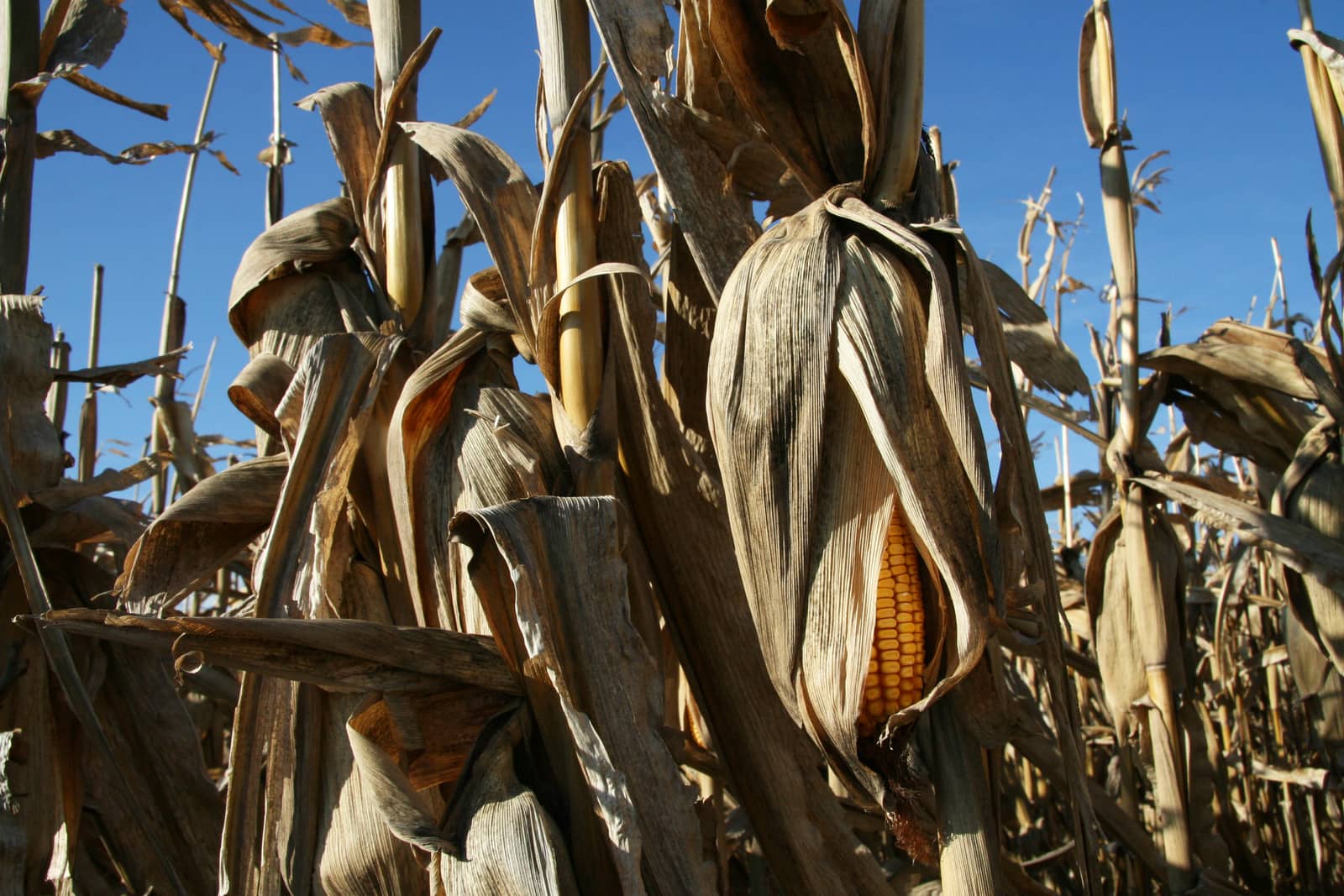
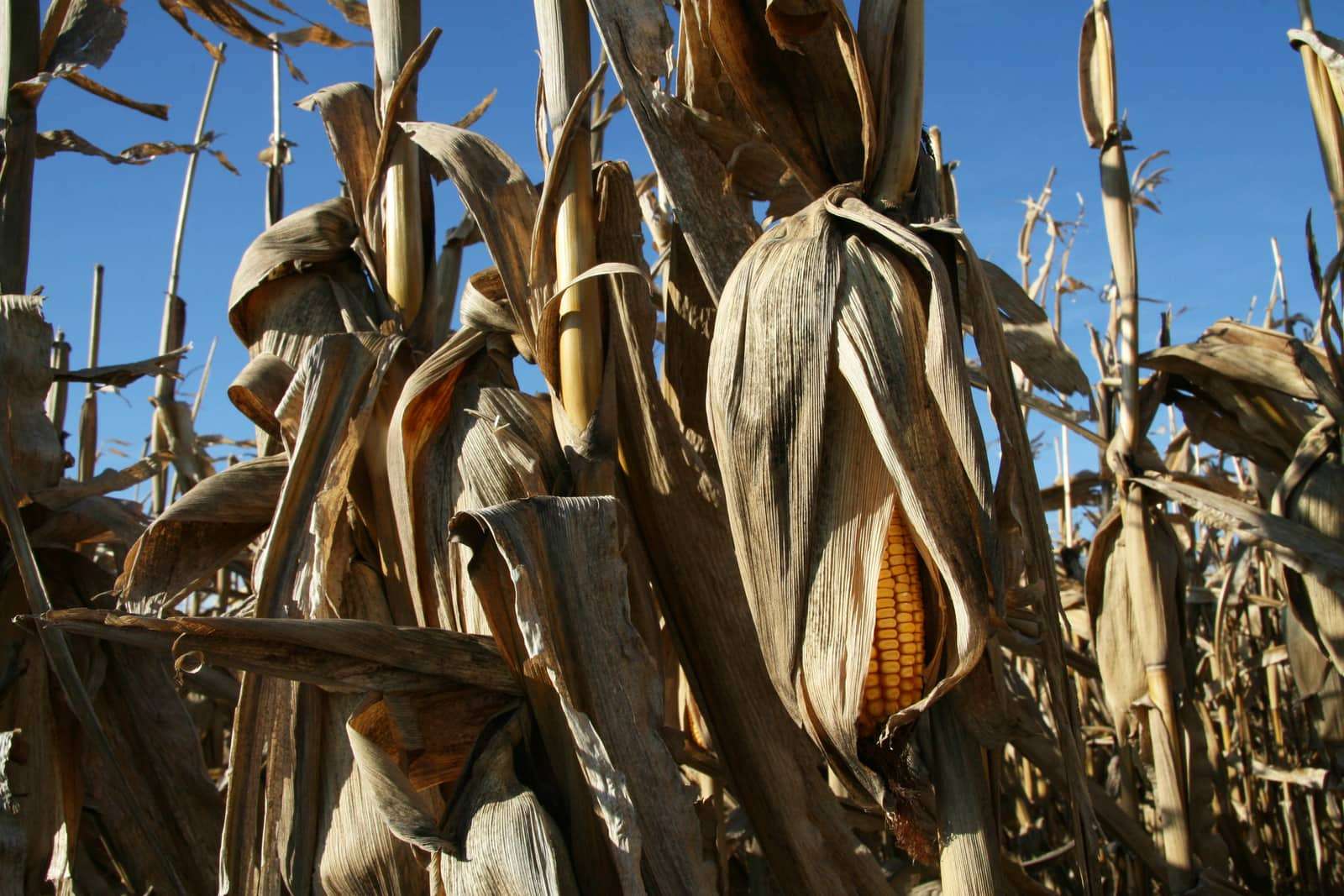
At a glance
Maize in the Sub-tropical foothills
Across India
When to sow it
Twelve growing regions, January to December. Your region comes first.
Wait until June
The next sowing here is First half of June (irrigated plains).
- Sow
- Harvest
- Today
- Not suited here
Compare all 12 regionsShow fewer regions
See the dates as a table
| Region | Sow | Nursery | Transplant | Harvest |
|---|---|---|---|---|
| Sub-tropical foothills | First half of June (irrigated plains)With the monsoon, not after 10 July (rainfed plains)With the monsoon, not after 30 June (intermediate hills) | September to early October | ||
| Temperate Himalaya | April to mid-May (up to about 1500 m)April only (above about 1500 m) | September to October | ||
| Cold desert | Not suited here | |||
| North-west plains | Last week of May to end of June (irrigated)20 June to 7 July (rainfed) | September to early October | ||
| Gangetic plains | 25 October to 7 November (winter maize)Late June to early July (kharif maize, AI suggestion) | April to early May (winter maize, AI suggestion) | ||
| North-east hills and valleys | February to March (pre-kharif, rainfed) | June to July | ||
| Arid west | 4th week of June to 2nd week of July (rainfed) | Late September to early October | ||
| Central plateau | Second half of June to first half of July | Late September to mid-October | ||
| Deccan plateau | 2nd week of June to 2nd week of July (kharif, irrigated)2nd week of October to 1st week of December (rabi, irrigated) | Late September to October (kharif crop, AI suggestion)Late February to March (rabi crop, AI suggestion) | ||
| South interior | July to August (Adipattam)September to October (Purattasipattam)January to February (Thaipattam) | |||
| West coast | June to July (rainfed)August to September (rainfed)January to February (irrigated) | |||
| East coast | July to August (Adipattam)September to October (Purattasipattam)January to February (Thaipattam) | |||
From seed to harvest
One season, day by day
Days from sowing
Before sowing
Field preparation
Well-rotted farmyard manure or compost
150 quintals per hectare
Work it in thoroughly with the first ploughing
Day 0
Sow
Before sowing
Well-rotted farmyard manure or compost1
150 quintals per hectare · Work it in thoroughly with the first ploughing · Field preparation
Day 0
Sow
Day 5 to 8
Seeds come up1,3,5,12,15Part of this comes from the sources cited. The rest is an AI suggestion.
Day 95 to 100
Last picking1
Maize cannot stand waterlogging: make shallow drains at sowing and never let water stand for more than about 3 hours. For an irrigated crop, water 5 to 7 days before sowing and sow at the right moisture. Never let the crop go short of water, above all at flowering and grain filling.1
What it needs
Soil, sun and warmth
Soil pH1,3,4
6 to 7
Fertile, well-drained loams and silt loams; sandy loam to silty loam also suits. Maize cannot stand waterlogging, so pick level fields that drain well.
SunlightNo published guide covers this for the Sub-tropical foothills, so this is an AI suggestion. Check it with local advice before you rely on it.
At least 6 hours a day
Full sun in an open field. Shade from trees or tall bunds thins the cobs.
Temperature3Part of this comes from the sources cited. The rest is an AI suggestion.
Grows best at 21 to 37 °C
Frost: none tolerated.
Monthly temperatures for the Sub-tropical foothills aren't in the library yet.
Water and feeding
Watering1
Maize cannot stand waterlogging: make shallow drains at sowing and never let water stand for more than about 3 hours. For an irrigated crop, water 5 to 7 days before sowing and sow at the right moisture. Never let the crop go short of water, above all at flowering and grain filling.
Weeding1
Keep the crop free of weeds for the first 40 days. Hoe twice, at about 15 and 30 days after sowing, with a khurpa or hand hoe, then earth up at knee height. Do not hoe after about 6 weeks: it cuts the fine roots.
| When | What | How much | How |
|---|---|---|---|
| Field preparation | Well-rotted farmyard manure or compost | 150 quintals per hectare | Work it in thoroughly with the first ploughing |
Varieties and yield
35 to 50 quintals a hectare
Yields vary with the plot, the seed and the season.
Ganga Safed 2 (GS-2)
White-grain hybrid for the sub-tropical areas, up to about 600 m (SKUAST-Jammu)
HQPM-1
Quality protein hybrid for irrigated sub-tropical plains; grow at least 500 m from other maize (SKUAST-Jammu)
Mansar (Super Composite), C-8, Vijay
Composites for the intermediate zone and mid elevations (SKUAST-Jammu)
Pests and diseases1
Organic and cultural controls only.
Cutworm
Signs
Dark brown caterpillars hide in the soil and cut young plants at ground level, felling far more than they eat. Serious in hill areas.
What to do
- Rake the field regularly
- Set light traps (about 2 a hectare) to catch the moths
- Set pheromone traps (about 40 a hectare) for the male moths
Stem borer
Signs
Larvae scrape the leaves, then bore into the stem through the whorl. The central shoot dies in young plants (dead heart).
What to do
- Pull out and destroy the stubble of last year's crop
Armyworm
Signs
Caterpillars eat leaves at night and hide in the whorls by day. Common in the hill areas.
What to do
- Catch moths at a lamp hung over a tray of water with a little kerosene
- Dig a trench round the infested field, or lay grass on the bunds, and kill the caterpillars that gather there in the morning
Head smut
Signs
The whole cob and tassel turn into masses of black spores.
What to do
- Pull out and destroy affected plants
Prevention
- Keep the field clean
- Rotate crops for 2 to 3 years
Stalk rot
Signs
The field smells of vinegar and plants topple over in patches.
What to do
- Pull out affected plants
Leaf blight
Signs
Long, greenish brown oval lesions on the leaves; badly hit plants look scorched.
Prevention
- Clean cultivation: remove crop debris and weeds
Seed and the season's end
Saving seed1,3
Buy fresh hybrid seed every year: grain from a hybrid crop gives clearly lower yields when sown again. Seed of composite varieties can be kept for 2 to 3 years. Choose 3000 to 5000 good cobs from the middle of the field, leaving about 9 m all round, and only cobs free from borer damage.
When the seed is ready
Cobs are ready when the husk has dried and turned brown and the grain is hard.
Shell the cobs and dry the grain well in the sun before storing.
After the last picking1
SKUAST-Jammu suggests maize then wheat, maize then toria then wheat, maize then potato then wheat, or maize then sarson then moong or mash.
After harvest, plough the field and collect and destroy the stubble, which carries borer larvae through the winter. Use up stalks, cobs and cores as fodder or fuel by the end of February.
Rotation
Maize is usually followed by wheat, barley, potato, toria, gobhi sarson, peas or berseem, often with summer moong before the next maize.
Sources
Where this comes from
Our team has checked this guide against the sources at the end of the page.Reviewed by our team on 13 November 2026.
These published guides are the sources. Where none of them covers a detail for this region, the page shows an AI suggestion and labels it.
- Package of Practices for Kharif Crops 2016: MaizeDirectorate of Extension, SKUAST-JammuRead the source
- Maize: season and varietiesTNAU Agritech Portal, Tamil Nadu Agricultural UniversityRead the source
- Irrigated maize: field preparationTNAU Agritech Portal, Tamil Nadu Agricultural UniversityRead the source
- Irrigated maize: seed and sowingTNAU Agritech Portal, Tamil Nadu Agricultural UniversityRead the source
- Irrigated maize: water managementTNAU Agritech Portal, Tamil Nadu Agricultural UniversityRead the source
- Irrigated maize: harvestingTNAU Agritech Portal, Tamil Nadu Agricultural UniversityRead the source
- Irrigated maize: after cultivationTNAU Agritech Portal, Tamil Nadu Agricultural UniversityRead the source
AI Farm Manager · In development
Plan this crop on your land
AI Farm Manager will turn guides like this one into a plan for your own plot. It doesn't make plans yet.