
Growing haakh
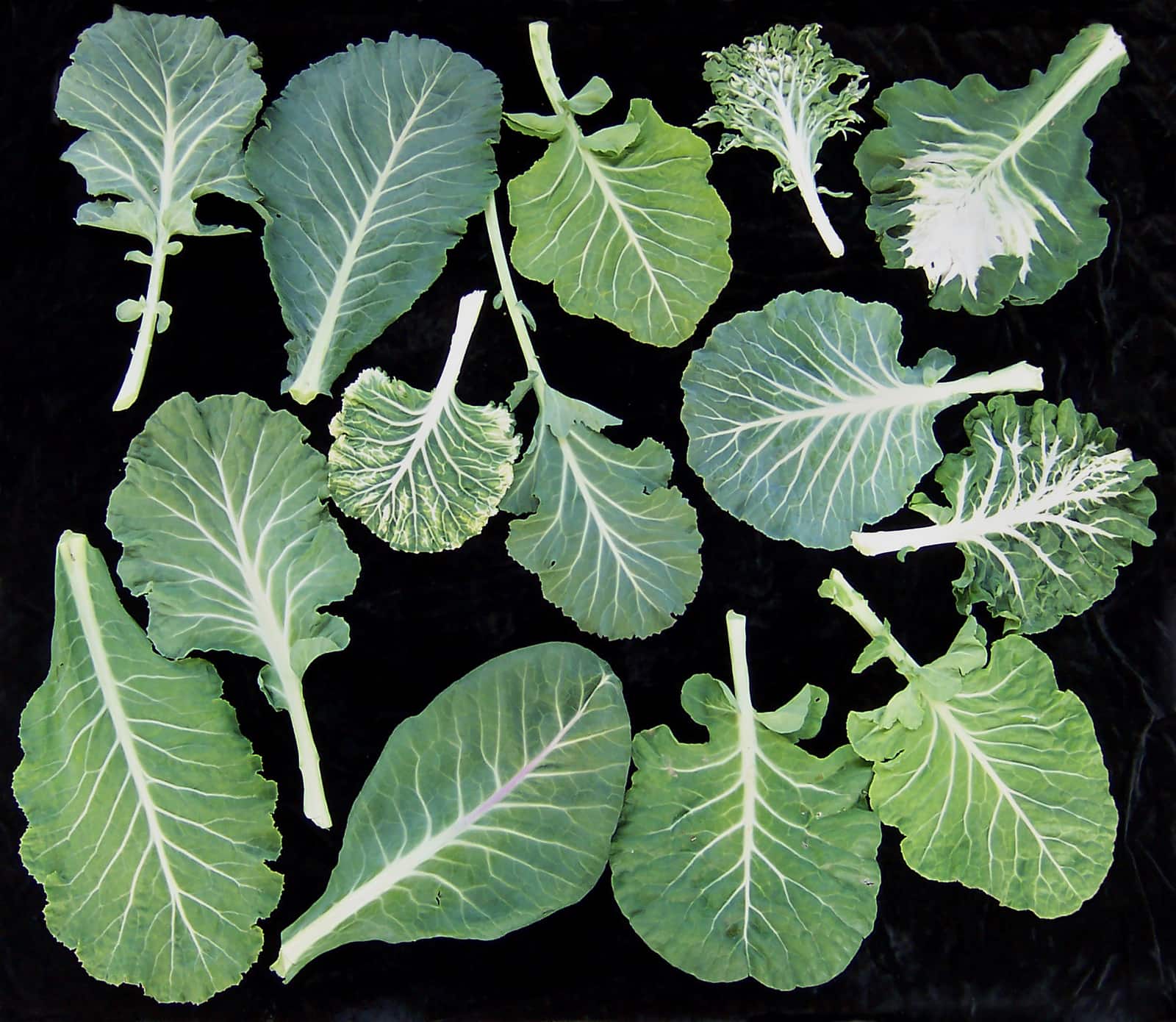
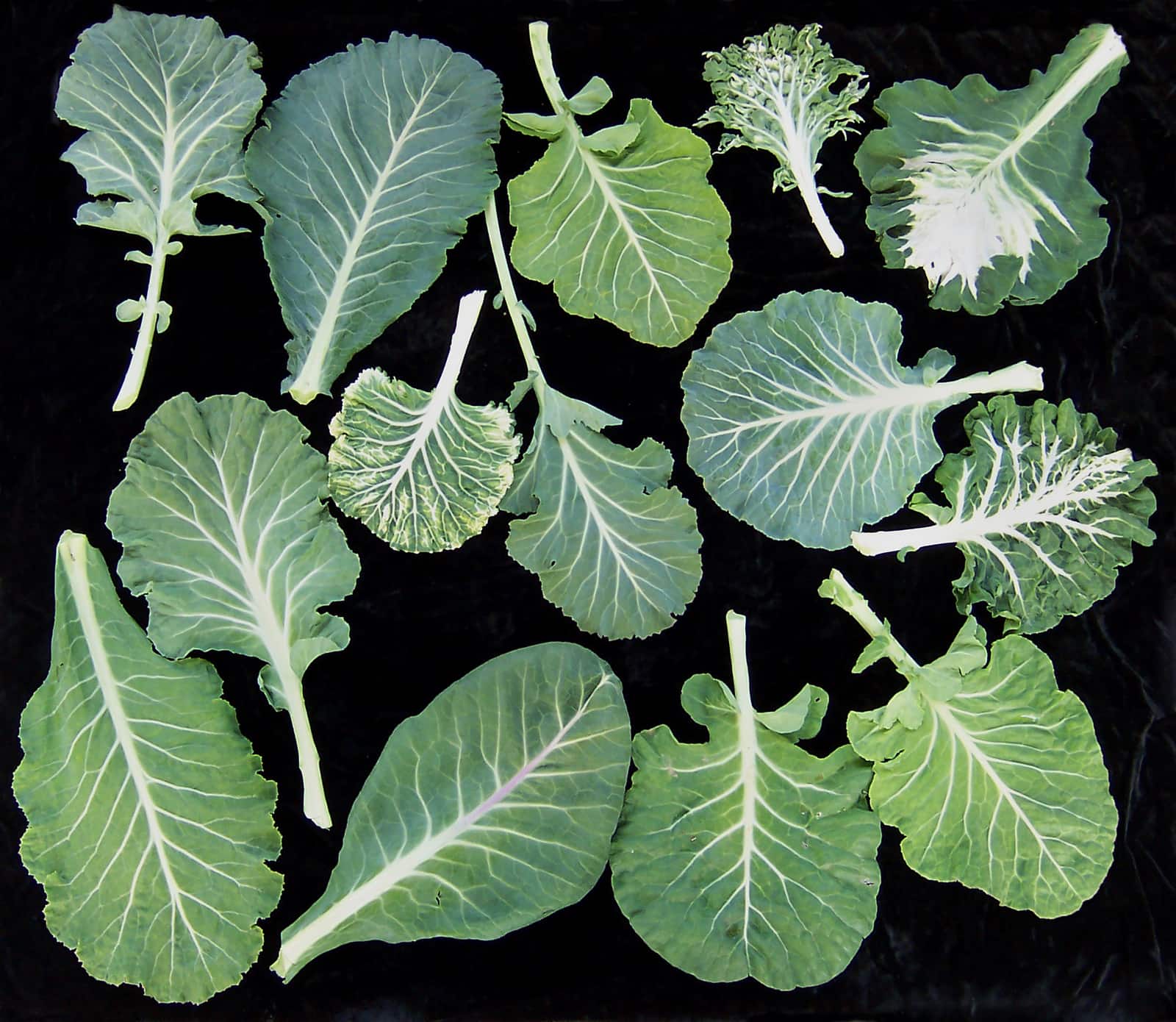
Brassica oleracea var. viridis · also called haak, hak saag, kaleKashmir's everyday leafy green, a loose-leaf kale picked leaf by leaf over a long season. The valley grows it twice a year, with the main crop raised in July and picked from October.
Arid west: Rajasthan, Kutch, north Gujarat
Not a crop for this region
No published guide covers haakh here yet.
Where it grows nearest
Sub-tropical foothills: Jammu, Kangra, Dehradun
See the Sub-tropical foothills guideTemperate Himalaya: Kashmir valley, Shimla, Kullu, Uttarakhand hills
See the Temperate Himalaya guide
Across India
When to sow it
Twelve growing regions, January to December. Your region comes first.
Not suited here
- Nursery
- Transplant
- Harvest
- Today
- Not suited here
Compare all 12 regionsShow fewer regions
See the dates as a table
| Region | Sow | Nursery | Transplant | Harvest |
|---|---|---|---|---|
| Arid west | Not suited here | |||
| Temperate Himalaya | Mid-February to mid-March, under cover if frost is expectedJuly | Late March to AprilAugust | May to JulyFrom October onwards | |
| Cold desert | Not suited here | |||
| Sub-tropical foothills | September to early October | October to early November | December to March | |
| North-west plains | Not suited here | |||
| Gangetic plains | Not suited here | |||
| North-east hills and valleys | September to early October | October to early November | December to March | |
| Central plateau | Not suited here | |||
| Deccan plateau | Not suited here | |||
| South interior | Not suited here | |||
| West coast | Not suited here | |||
| East coast | Not suited here | |||
What it needs
Soil, sun and warmth
Soil pH1
5.5 to 6.5
Well-drained loam rich in organic matter
SunlightNo published guide covers this for the Arid west, so this is an AI suggestion. Check it with local advice before you rely on it.
At least 6 hours a day
Full sun. Light shade is fine in warm weather and keeps the leaves tender.
Temperature1,2
Grows best at 15 to 21 °C
Takes hard frost.
Monthly temperatures for the Arid west aren't in the library yet.
Good neighboursNo published guide covers this for the Arid west, so this is an AI suggestion. Check it with local advice before you rely on it.
Seed and the season's end
Saving seedNo published guide covers this for the Arid west, so this is an AI suggestion. Check it with local advice before you rely on it.
Keep a few healthy, true-to-type plants over winter and let them flower in spring. Keep them well away from other cabbage-family crops in flower, or they will cross.
When the seed is ready
Pods turn yellow-brown and dry, and the seed inside turns dark.
Cleaning the seed
Cut the seed stalks as the pods dry, dry them in shade for a few days, then thresh and clean the seed.
Store dry seed in a sealed container in a cool, dark place. It keeps well for about three years.
After the last pickingNo published guide covers this for the Arid west, so this is an AI suggestion. Check it with local advice before you rely on it.
Pull the old plants once they bolt and compost them. Burn or bury plants that showed black rot rather than composting them.
Rotation
Do not follow with another cabbage-family crop for two to three years. Peas, beans, onion or a summer cucurbit are good next crops.
Sources
Where this comes from
Our team has checked this guide against the sources at the end of the page.Reviewed by our team on 13 November 2026.
These published guides are the sources. Where none of them covers a detail for this region, the page shows an AI suggestion and labels it.
- Kales and collards: superfoods for health and wealth (Indian Horticulture, September to October 2026)ICAR-Central Institute of Temperate Horticulture, Srinagar (Malik, Jabeen and others)Read the source
AI Farm Manager · In development
Plan this crop on your land
AI Farm Manager will turn guides like this one into a plan for your own plot. It doesn't make plans yet.