
Growing rajma
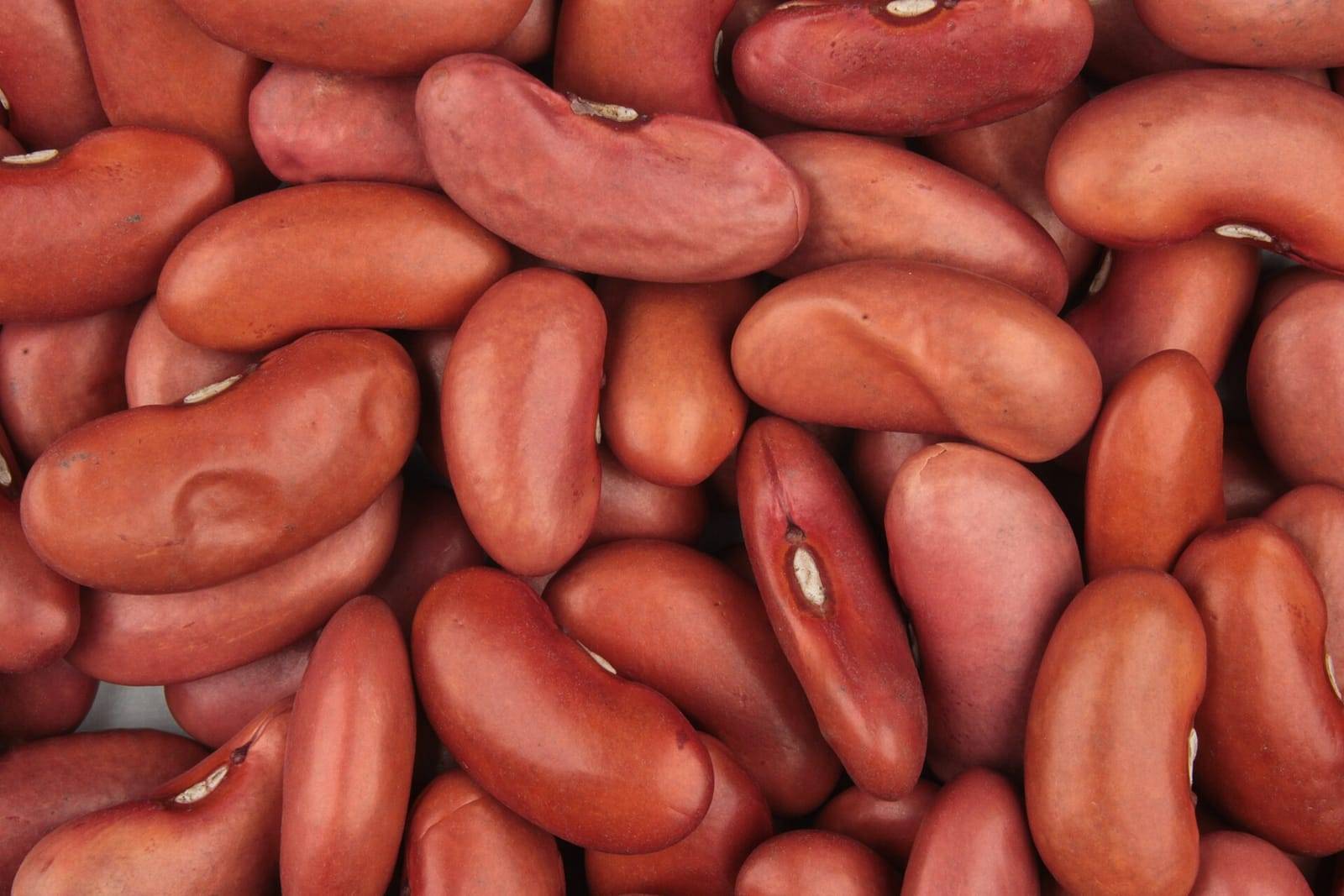
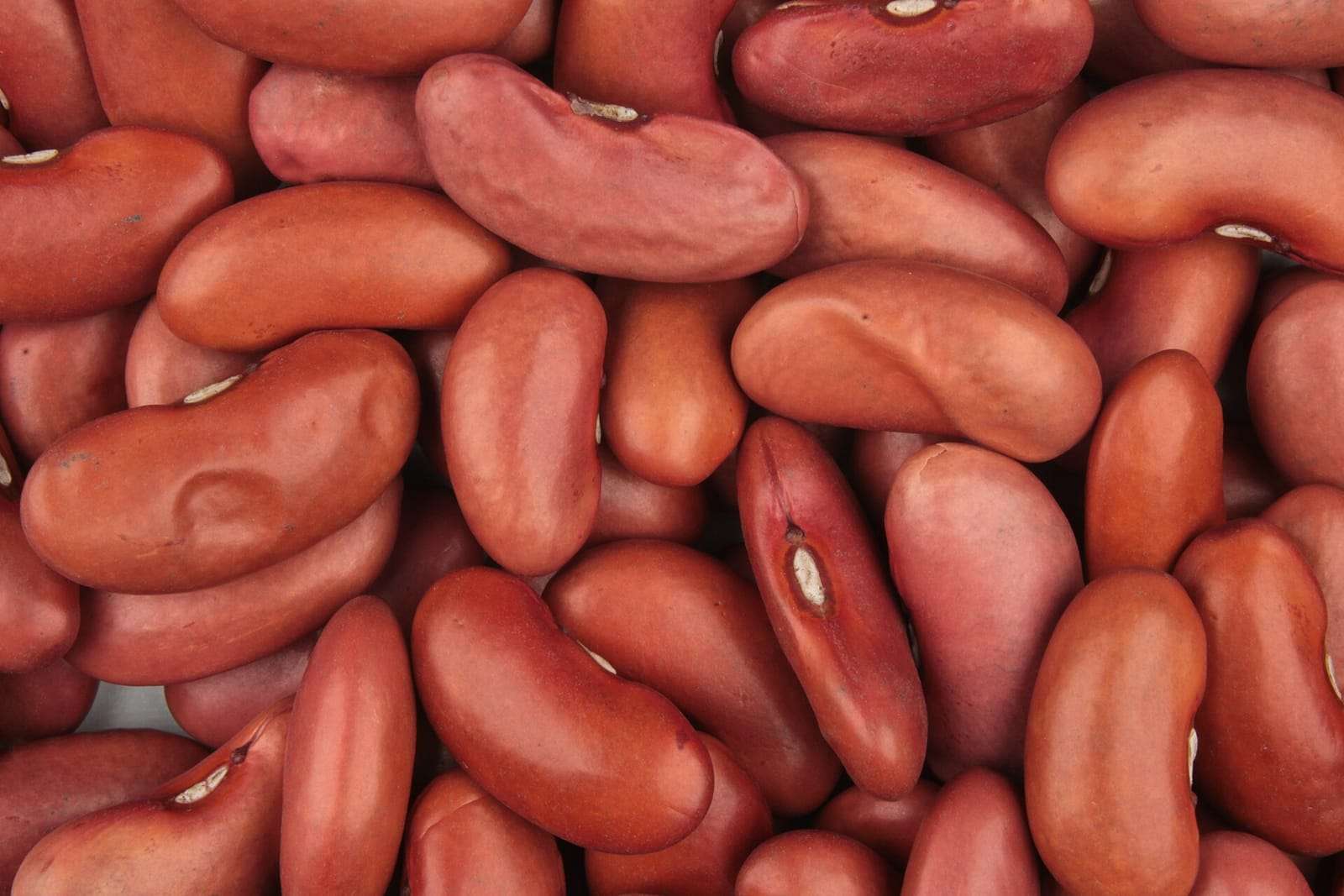
Phaseolus vulgaris · also called rajma, rajmashKidney bean grown for its dry grain. In the hills it is a summer crop, often climbing on maize; in the plains it is sown in winter.
Arid west: Rajasthan, Kutch, north Gujarat
At a glance
Rajma in the Arid west
Rabi crop in the cooler months, with irrigation
No published guide covers this for the Arid west, so this is an AI suggestion. Check it with local advice before you rely on it.A rabi crop takes about four months from sowing to harvest.
No published guide covers this for the Arid west, so this is an AI suggestion. Check it with local advice before you rely on it.Late October to mid-November
No published guide covers this for the Arid west, so this is an AI suggestion. Check it with local advice before you rely on it.
Across India
When to sow it
Twelve growing regions, January to December. Your region comes first.
Sow now
The window here is Late October to mid-November.
- Sow
- Harvest
- Today
- Not suited here
Compare all 12 regionsShow fewer regions
See the dates as a table
| Region | Sow | Nursery | Transplant | Harvest |
|---|---|---|---|---|
| Arid west | Late October to mid-November | Late February to March | ||
| Temperate Himalaya | April to mid-May (April only above 1,500 m)Last week of May to first week of July | September to October | ||
| Cold desert | Not suited here | |||
| Sub-tropical foothills | Second half of March | June | ||
| North-west plains | Late October to mid-November | Late February to March | ||
| Gangetic plains | Late October to mid-November | Late February to March | ||
| North-east hills and valleys | Mid-October to November | February to early March | ||
| Central plateau | Late October to mid-November | Late February to March | ||
| Deccan plateau | 15 June to 15 July15 October to 15 November | |||
| South interior | Late October to mid-November | Late February to March | ||
| West coast | Not suited here | |||
| East coast | Not suited here | |||
From seed to harvest
One season, day by day
Days from sowing
Before sowing
field preparation
Well rotted farmyard manure or compost
5 to 10 tonnes per hectare
Spread and mix into the soil at the last ploughing
No published guide covers this for the Arid west, so this is an AI suggestion. Check it with local advice before you rely on it.
Day 0
Sow
sowing
Rhizobium culture
Coat the seed with the culture, dry it in the shade and sow the same day
No published guide covers this for the Arid west, so this is an AI suggestion. Check it with local advice before you rely on it.
Day 110 to 130
Last picking
No published guide covers this for the Arid west, so this is an AI suggestion. Check it with local advice before you rely on it.
Before sowing
Well rotted farmyard manure or compostNo published guide covers this for the Arid west, so this is an AI suggestion. Check it with local advice before you rely on it.
5 to 10 tonnes per hectare · Spread and mix into the soil at the last ploughing · field preparation
Day 0
Sow
Rhizobium culture
Coat the seed with the culture, dry it in the shade and sow the same day
Day 7 to 10
Day 110 to 130
Last pickingNo published guide covers this for the Arid west, so this is an AI suggestion. Check it with local advice before you rely on it.
Water every 15 to 21 days, more at flowering and pod filling.No published guide covers this for the Arid west, so this is an AI suggestion. Check it with local advice before you rely on it.
What it needs
Soil, sun and warmth
Soil pH2,3Part of this comes from the sources cited. The rest is an AI suggestion.
5.5 to 7
Well drained, medium to deep loam or clay loam. Lime acid soil before sowing. It does not stand waterlogging.
Sunlight3Part of this comes from the sources cited. The rest is an AI suggestion.
At least 6 hours a day
Full sun in an open field. In places where the sucking bug is common, avoid sowing in shade.
Temperature2,3Part of this comes from the sources cited. The rest is an AI suggestion.
Grows best at 15 to 25 °C
Frost: none tolerated.
Monthly temperatures for the Arid west aren't in the library yet.
Water and feeding
WateringNo published guide covers this for the Arid west, so this is an AI suggestion. Check it with local advice before you rely on it.
Water lightly after sowing if the soil is dry, then every two to three weeks. Rajma roots shallowly and needs more water than gram. Do not let it go dry at flowering and pod filling, and never let water stand in the field.
WeedingNo published guide covers this for the Arid west, so this is an AI suggestion. Check it with local advice before you rely on it.
Keep the field clean for the first six weeks. Hand weed or hoe about three and six weeks after sowing, and earth up lightly at the second weeding.
| When | What | How much | How |
|---|---|---|---|
| field preparation | Well rotted farmyard manure or compost | 5 to 10 tonnes per hectare | Spread and mix into the soil at the last ploughing |
| sowing | Rhizobium culture | Coat the seed with the culture, dry it in the shade and sow the same day |
Varieties and yield
10 to 15 quintals a hectare
Yields vary with the plot, the seed and the season.
Ankur
Named for Rajasthan.
Gujarat Rajma-1
Named for Gujarat.
Pests and diseasesNo published guide covers this for the Arid west, so this is an AI suggestion. Check it with local advice before you rely on it.
Organic and cultural controls only.
Aphids
Signs
Small soft insects in groups on young shoots, leaves and pods. They suck sap and spread mosaic virus.
What to do
- Pull out and destroy badly infested shoots early
- Encourage ladybird beetles, which feed on aphids
Pod borer
Signs
Caterpillars bore into pods and eat the seeds, leaving round holes.
What to do
- Hand pick and destroy caterpillars and bored pods
- Set up bird perches in the field
Bean stem fly
Signs
Young plants wilt and die; the stem near the soil is swollen and tunnelled.
What to do
- Pull out and destroy wilted seedlings
Anthracnose
Signs
Sunken dark spots with reddish margins on pods, stems and leaf veins; worse in wet weather.
Prevention
- Sow seed saved from a healthy crop
- Rotate with cereals and do not grow beans in the same field every year
- Destroy diseased plant remains after harvest
Bean common mosaic
Signs
Light and dark green mottling and puckering of leaves; plants stay small and bear few pods.
Prevention
- Sow seed from a healthy crop
- Pull out mottled plants early
Root rot
Signs
Plants yellow and wilt; roots and the stem base turn brown and rot.
Prevention
- Sow on well drained land and avoid standing water
- Rotate with cereals
Seed and the season's end
Saving seed1,3
Save seed from a healthy crop grown where anthracnose and bacterial blight do not occur.
When the seed is ready
Pods turn yellow, then brown and crisp, and most leaves fall. Early pods split if left too long.
Cleaning the seed
Pick early pods by hand as they ripen. Sun the plants for three or four days and thresh on a dry day by treading or beating the pods on a tarp.
Dry the grain again for three or four days, sort out damaged seed and store in a cool, dark, dry place. Watch for bean weevils.
After the last pickingNo published guide covers this for the Arid west, so this is an AI suggestion. Check it with local advice before you rely on it.
Plough the roots and leftover stalks back into the soil after threshing; they add some nitrogen for the next crop. Follow with a cereal.
Destroy or deep plough the crop remains after harvest; they carry rust and root rot.
Rotation
Do not grow beans after beans. Rotate with cereals, and leave three years between bean crops where bacterial blight has shown up.
Sources
Where this comes from
Our team has checked this guide against the sources at the end of the page.Reviewed by our team on 13 November 2026.
These published guides are the sources. Where none of them covers a detail for this region, the page shows an AI suggestion and labels it.
- Policy document on management practices of rajmash cultivation in hills (NMHS project, 8 August 2023)G.B. Pant University of Agriculture and Technology, Pantnagar (hosted by G.B. Pant National Institute of Himalayan Environment, NMHS)Read the source
AI Farm Manager · In development
Plan this crop on your land
AI Farm Manager will turn guides like this one into a plan for your own plot. It doesn't make plans yet.