
Growing rajma
Phaseolus vulgaris · also called rajma, rajmashKidney bean grown for its dry grain. In the hills it is a summer crop, often climbing on maize; in the plains it is sown in winter.
Temperate Himalaya: Kashmir valley, Shimla, Kullu, Uttarakhand hills
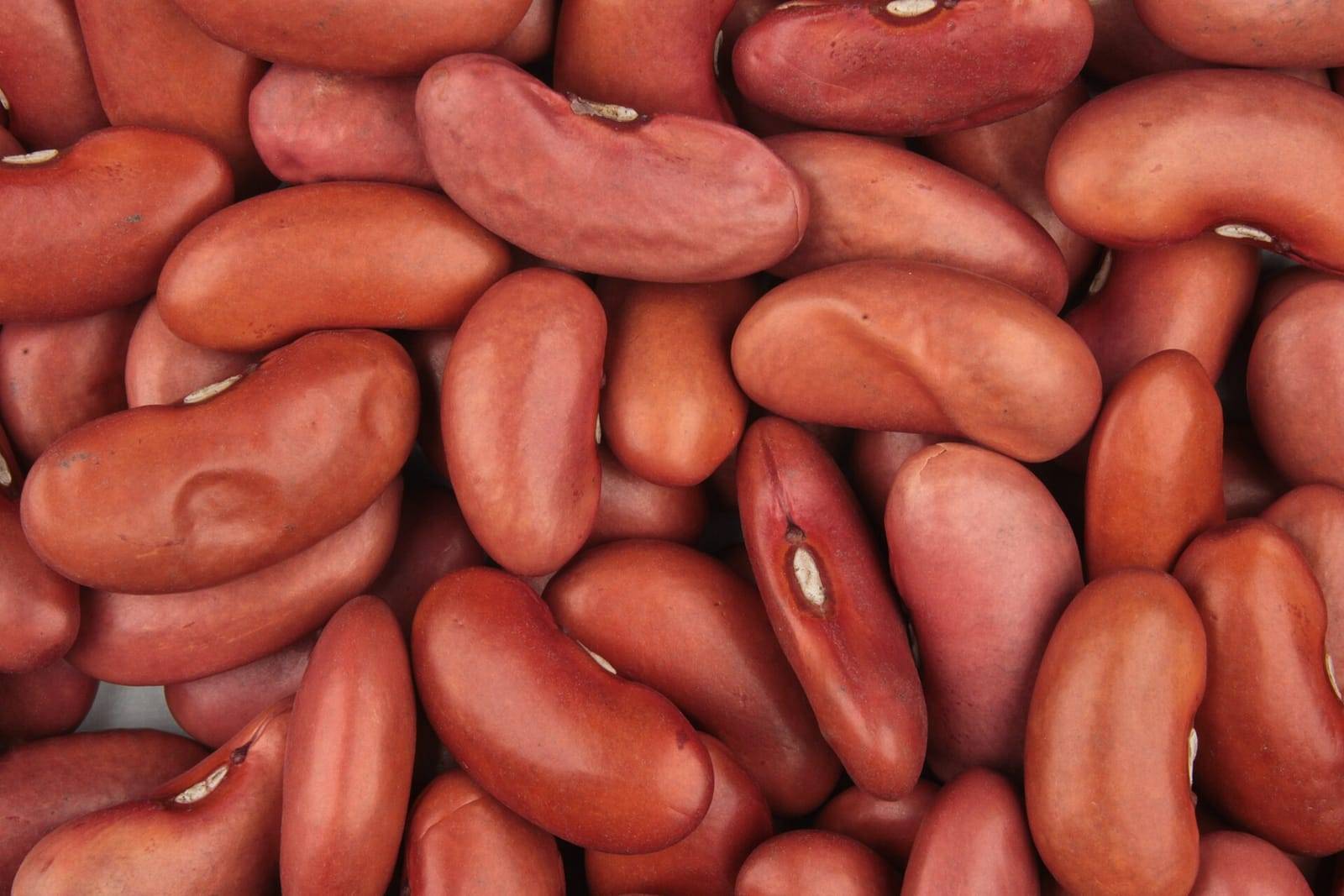
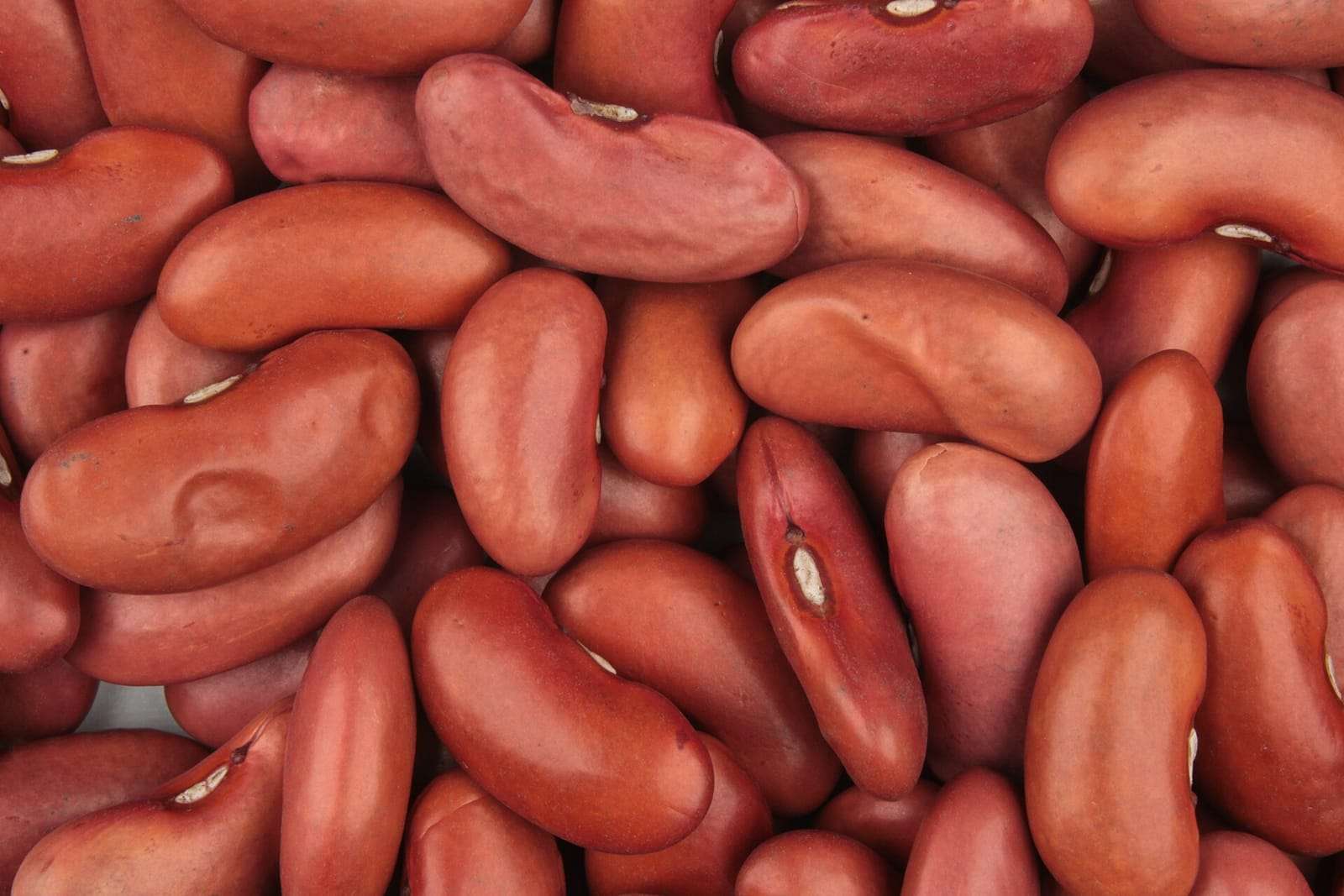
At a glance
Rajma in the Temperate Himalaya
Across India
When to sow it
Twelve growing regions, January to December. Your region comes first.
Wait until April
The next sowing here is April to mid-May (April only above 1,500 m).
- Sow
- Harvest
- Today
- Not suited here
Compare all 12 regionsShow fewer regions
See the dates as a table
| Region | Sow | Nursery | Transplant | Harvest |
|---|---|---|---|---|
| Temperate Himalaya | April to mid-May (April only above 1,500 m)Last week of May to first week of July | September to October | ||
| Cold desert | Not suited here | |||
| Sub-tropical foothills | Second half of March | June | ||
| North-west plains | Late October to mid-November | Late February to March | ||
| Gangetic plains | Late October to mid-November | Late February to March | ||
| North-east hills and valleys | Mid-October to November | February to early March | ||
| Arid west | Late October to mid-November | Late February to March | ||
| Central plateau | Late October to mid-November | Late February to March | ||
| Deccan plateau | 15 June to 15 July15 October to 15 November | |||
| South interior | Late October to mid-November | Late February to March | ||
| West coast | Not suited here | |||
| East coast | Not suited here | |||
From seed to harvest
One season, day by day
Days from sowing
Before sowing
field preparation
Farmyard manure
20 to 50 tonnes per hectare
Dig it into the soil while preparing the beds
Day 0
Sow
seed treatment
Trichoderma
Coat the seed with 4 g of Trichoderma for each kg of seed before sowing
sowing
Rhizobium culture
Coat the seed when rajmash is grown in a field for the first time
sowing
Biofertilisers
Apply as the maker recommends, on the seed or mixed with compost
Before sowing
Farmyard manure3
20 to 50 tonnes per hectare · Dig it into the soil while preparing the beds · field preparation
Day 0
Sow
Trichoderma
Coat the seed with 4 g of Trichoderma for each kg of seed before sowing
Rhizobium culture
Coat the seed when rajmash is grown in a field for the first time
Biofertilisers
Apply as the maker recommends, on the seed or mixed with compost
Day 7 to 10
Day 120 to 130
Day 120 to 130
Last picking3
Water before sowing if the soil is dry, and lightly two or three days after sowing. With irrigation, water first about 25 days after sowing and then about every 25 days, six or seven times in all. Do not let the crop go dry before and during flowering and while pods fill, and never let water stand.3
What it needs
Soil, sun and warmth
Soil pH2,3Part of this comes from the sources cited. The rest is an AI suggestion.
5.5 to 7
Well drained, medium to deep loam or clay loam. Lime acid soil before sowing. It does not stand waterlogging.
Sunlight3Part of this comes from the sources cited. The rest is an AI suggestion.
At least 6 hours a day
Full sun in an open field. In places where the sucking bug is common, avoid sowing in shade.
Temperature2,3Part of this comes from the sources cited. The rest is an AI suggestion.
Grows best at 15 to 25 °C
Frost: none tolerated.
Monthly temperatures for the Temperate Himalaya aren't in the library yet.
Water and feeding
Watering3
Water before sowing if the soil is dry, and lightly two or three days after sowing. With irrigation, water first about 25 days after sowing and then about every 25 days, six or seven times in all. Do not let the crop go dry before and during flowering and while pods fill, and never let water stand.
Weeding3
Weed 20 to 25 days and 40 to 45 days after sowing, and earth up the plants after each weeding. The first weeks matter most.
| When | What | How much | How |
|---|---|---|---|
| field preparation | Farmyard manure | 20 to 50 tonnes per hectare | Dig it into the soil while preparing the beds |
| seed treatment | Trichoderma | Coat the seed with 4 g of Trichoderma for each kg of seed before sowing | |
| sowing | Rhizobium culture | Coat the seed when rajmash is grown in a field for the first time | |
| sowing | Biofertilisers | Apply as the maker recommends, on the seed or mixed with compost |
Varieties and yield
8 to 12 quintals a hectare
Yields vary with the plot, the seed and the season.
VL Rajma 125
Bush type with white grain, for rainfed fields in the Uttarakhand hills.
VL Rajma 3
Bush type with light red grain and deep red patches; grown rainfed under organic conditions in the Uttarakhand hills.
Organic and cultural controls only.
Aphids
Signs
They suck sap from leaves and pods and carry mosaic virus from plant to plant.
What to do
- Grow a tall border crop such as mustard around the field
- Put up yellow sticky traps, four to five an acre
- Rotate with cereals rather than other legumes
Pod borer
Signs
Caterpillars bore round holes in the pods and eat the seeds; they often hang half out of the holes.
What to do
- Grow marigold along the field edges as a trap crop
- Release Trichogramma egg cards during flowering, one card for 200 m², three or four times, 7 to 10 days apart
- Set pheromone traps, 12 a hectare
- Put up 15 to 20 bird perches a hectare
- Spray 5% neem seed kernel extract on young caterpillars
Leaf miner
Signs
Grubs tunnel inside the leaves and leave white winding lines; badly mined leaves fall.
What to do
- Put up yellow sticky traps for the adult flies
- Pick and destroy mined leaves early
Blister beetle
Signs
Beetles eat flower buds and flowers, and sometimes young pods.
What to do
- Hand pick the beetles into a bucket of water, wearing gloves
Whitefly and thrips
Signs
Whitefly sucks sap under the leaves and spreads virus. Thrips scrape young leaves and tips, which turn silvery and boat shaped.
What to do
- Put up yellow sticky traps (blue ones also catch thrips)
- Protect ladybird beetles, which eat whitefly
Cutworms
Signs
Caterpillars cut young plants at ground level at night and hide in the soil by day.
What to do
- Keep the field and bunds clean of grass and rubbish
- Use only well rotted, dry farmyard manure
Bihar hairy caterpillar
Signs
Hairy caterpillars feed in groups after rain and leave the leaves papery.
What to do
- Pick off egg masses and groups of young caterpillars with the leaves
Anthracnose
Signs
Water soaked marks on pods turn into sunken brown or black spots with dark centres and red, yellow or orange edges. Pink spore masses show in wet weather. Young pods shrivel.
Prevention
- Sow healthy seed from places where the disease does not occur
Angular leaf spot
Signs
Many small angular brown spots on leaves and pods give a checkerboard look; leaves yellow and drop early, and pods may be misshapen.
Prevention
- Sow healthy seed
- Rotate crops where the disease has been seen
Floury leaf spot
Signs
White, flour-like growth under the lower leaves at flowering; affected leaves drop early.
Prevention
- Sow healthy seed
Bacterial blight
Signs
Appears early. See-through water soaked spots on leaves that turn yellow and die; reddish brown sunken spots on pods.
Prevention
- Get seed from an area where the disease does not occur
- Rotate crops over three years
- Grow rajmash with maize, which lessens the disease
- Water at the base of the plants, not over them
- Bury crop debris in the soil
Rust
Signs
Small raised yellow spots, mostly under the leaves, grow into reddish brown pustules with a yellow ring.
Prevention
- Do not grow beans after beans; intercrop with cereals
- Destroy crop remains after harvest
Root rot
Signs
Long reddish purple marks on roots and the stem base turn black; plants stay small, wilt and die.
Prevention
- Sow early, on ridges, and drain the field well
- Plough bean debris deep after harvest
- Coat the seed with the bio-agent Trichoderma harzianum, 10 g per kg of seed
Seed and the season's end
Saving seed1,3
Save seed from a healthy crop grown where anthracnose and bacterial blight do not occur.
When the seed is ready
Pods turn yellow, then brown and crisp, and most leaves fall. Early pods split if left too long.
Cleaning the seed
Pick early pods by hand as they ripen. Sun the plants for three or four days and thresh on a dry day by treading or beating the pods on a tarp.
Dry the grain again for three or four days, sort out damaged seed and store in a cool, dark, dry place. Watch for bean weevils.
After the last picking3
Destroy or deep plough the crop remains after harvest; they carry rust and root rot. Follow with a cereal, not another bean.
Destroy or deep plough the crop remains after harvest; they carry rust and root rot.
Rotation
Do not grow beans after beans. Rotate with cereals, and leave three years between bean crops where bacterial blight has shown up.
Sources
Where this comes from
Our team has checked this guide against the sources at the end of the page.Reviewed by our team on 13 November 2026.
These published guides are the sources. Where none of them covers a detail for this region, the page shows an AI suggestion and labels it.
- Package of Practices for Kharif Crops 2016 (Mixed cropping of rajmash with maize; maize sowing time)Directorate of Extension, Sher-e-Kashmir University of Agricultural Sciences and Technology of Jammu (SKUAST-Jammu)Read the source
- Policy document on management practices of rajmash cultivation in hills (NMHS project, 8 August 2023)G.B. Pant University of Agriculture and Technology, Pantnagar (hosted by G.B. Pant National Institute of Himalayan Environment, NMHS)Read the source
AI Farm Manager · In development
Plan this crop on your land
AI Farm Manager will turn guides like this one into a plan for your own plot. It doesn't make plans yet.