
Growing apple
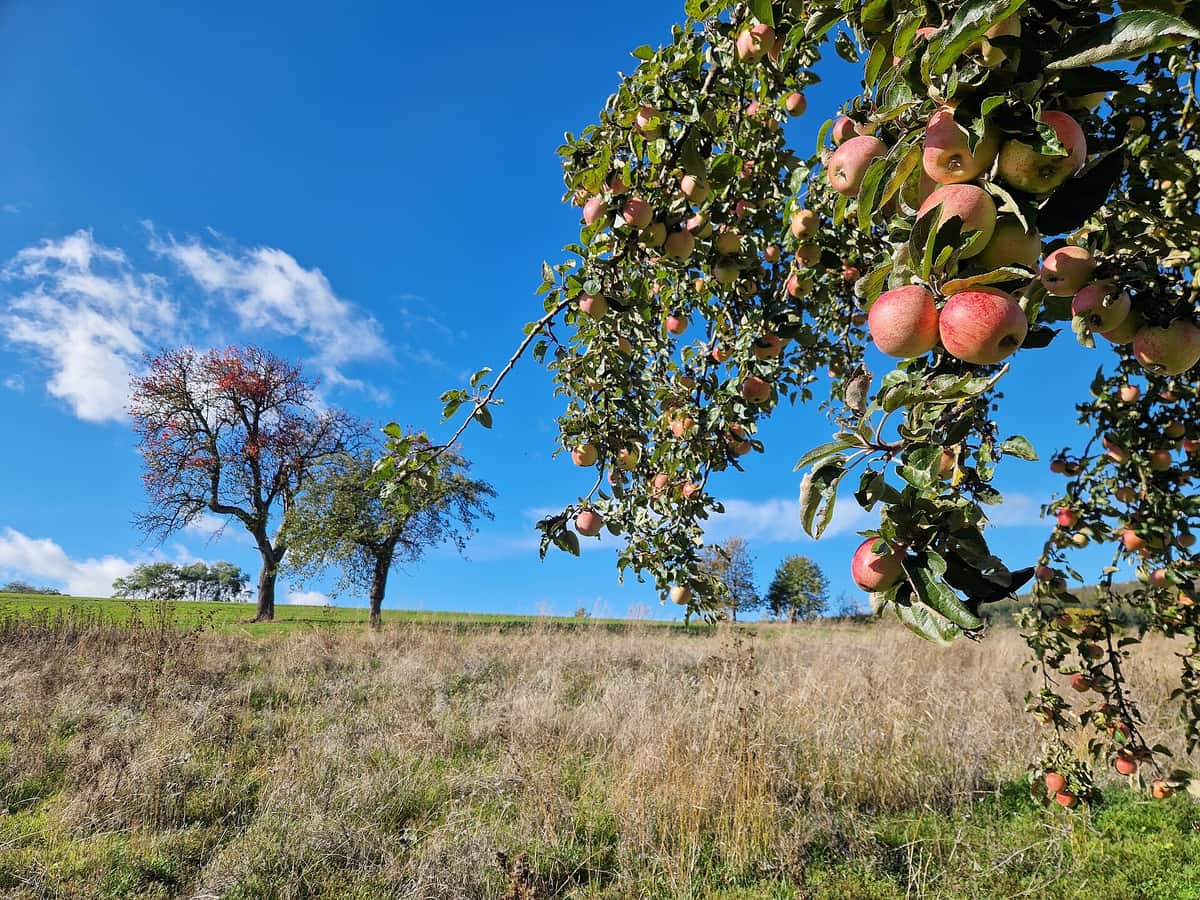
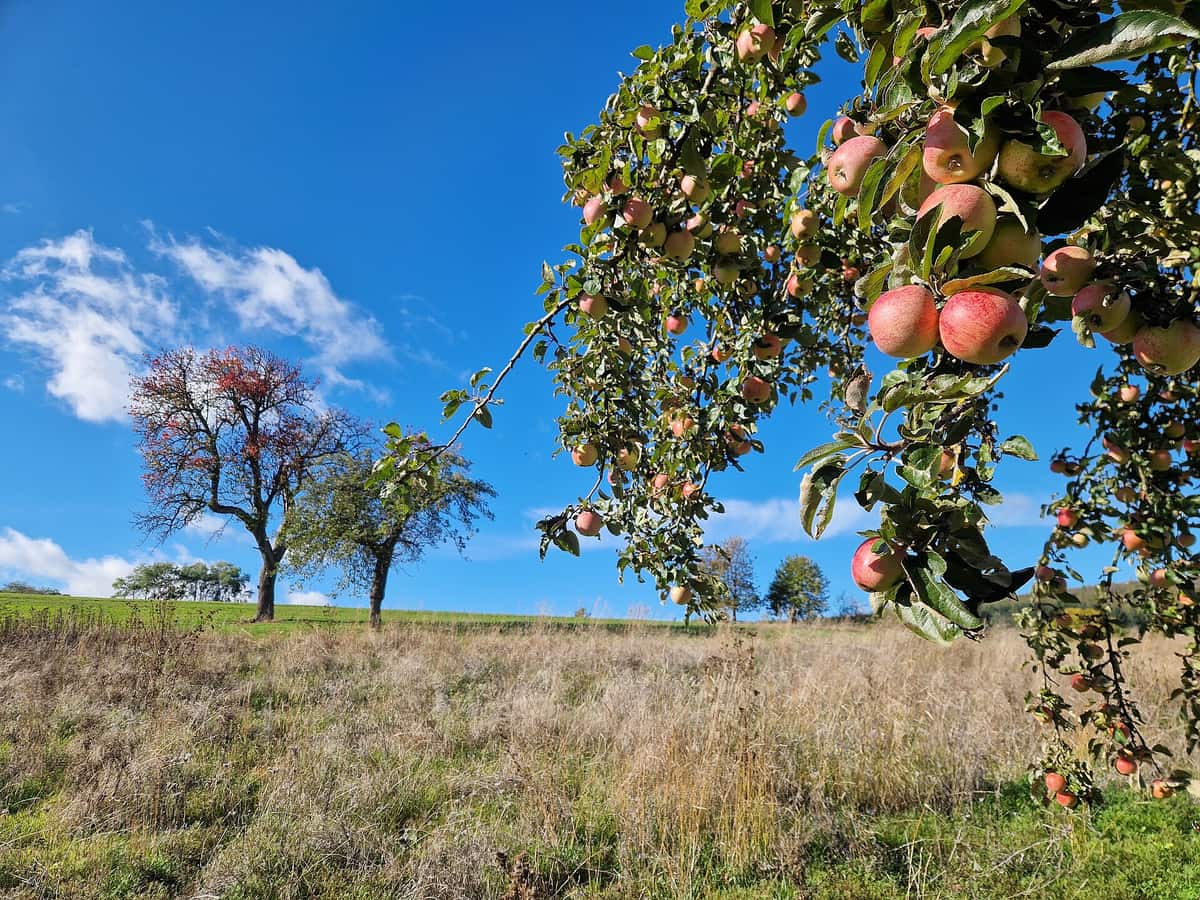
Malus domesticaApple is a temperate fruit tree raised from grafted saplings in the Himalayan hills. It needs a long cold winter to flower and fruit well, so it suits the high hills and not the warm plains or coasts.
North-east hills and valleys: Assam, Meghalaya, Sikkim, Darjeeling
At a glance
Apple in the North-east hills and valleys
Picked from late July to September, depending on height
No published guide covers this for the North-east hills and valleys, so this is an AI suggestion. Check it with local advice before you rely on it.About 130 to 150 days from full bloom to picking, by variety.
No published guide covers this for the North-east hills and valleys, so this is an AI suggestion. Check it with local advice before you rely on it.December to February
No published guide covers this for the North-east hills and valleys, so this is an AI suggestion. Check it with local advice before you rely on it.
Across India
When to sow it
Twelve growing regions, January to December. Your region comes first.
Wait until December
The next sowing here is December to February.
- Transplant
- Harvest
- Today
- Not suited here
Compare all 12 regionsShow fewer regions
See the dates as a table
| Region | Sow | Nursery | Transplant | Harvest |
|---|---|---|---|---|
| North-east hills and valleys | December to February | Late July to September | ||
| Temperate Himalaya | DecemberMarch | Late July to October | ||
| Cold desert | Mid-March to April | September to October | ||
| Sub-tropical foothills | Not suited here | |||
| North-west plains | Not suited here | |||
| Gangetic plains | Not suited here | |||
| Arid west | Not suited here | |||
| Central plateau | Not suited here | |||
| Deccan plateau | Not suited here | |||
| South interior | Not suited here | |||
| West coast | Not suited here | |||
| East coast | Not suited here | |||
From seed to harvest
One season, day by day
Days from sowing
Before sowing
Young trees, first three years
Well-rotted FYM or compost
5 to 15 kg per tree a year
Spread over the basin in late winter, before the rains, then mulch
Bearing trees
Well-rotted FYM or compost
25 to 40 kg per tree a year
Spread over the basin in late winter, before the rains, then mulch
No published guide covers this for the North-east hills and valleys, so this is an AI suggestion. Check it with local advice before you rely on it.
Day 0
Sow
Day 130 to 150
Last picking
No published guide covers this for the North-east hills and valleys, so this is an AI suggestion. Check it with local advice before you rely on it.
Before sowing
Well-rotted FYM or compost
5 to 15 kg per tree a year · Spread over the basin in late winter, before the rains, then mulch · Young trees, first three years
Well-rotted FYM or compostNo published guide covers this for the North-east hills and valleys, so this is an AI suggestion. Check it with local advice before you rely on it.
25 to 40 kg per tree a year · Spread over the basin in late winter, before the rains, then mulch · Bearing trees
Day 0
Sow
Day 130 to 150
Last pickingNo published guide covers this for the North-east hills and valleys, so this is an AI suggestion. Check it with local advice before you rely on it.
Water every 10 to 15 days, more at flowering and fruit set, March and April.No published guide covers this for the North-east hills and valleys, so this is an AI suggestion. Check it with local advice before you rely on it.
What it needs
Soil, sun and warmth
Soil pH1,11,12,16
5.5 to 6.5
Deep, well-drained loam rich in organic matter, at least 45 cm deep, with no hard layer underneath and no standing water. Avoid heavy clay and compact subsoil.
Sunlight1,11
Full sun. Plenty of summer sunshine is needed for the fruit to colour well.
Temperature1,11,16
Grows best at 21 to 24 °C
Monthly temperatures for the North-east hills and valleys aren't in the library yet.
Water and feeding
WateringNo published guide covers this for the North-east hills and valleys, so this is an AI suggestion. Check it with local advice before you rely on it.
Rain is heavy from May to September, so water is needed mainly in the dry months from November to April. Water young trees every 10 to 15 days in a dry spell, and bearing trees at flowering and fruit set in March and April. Make sure the orchard drains well in the monsoon.
WeedingNo published guide covers this for the North-east hills and valleys, so this is an AI suggestion. Check it with local advice before you rely on it.
Weeds grow fast in the wet season. Keep the tree basin clear by hand weeding or slashing and mulch it with straw or dry leaves. On slopes, keep a low grass cover between the rows to hold the soil.
| When | What | How much | How |
|---|---|---|---|
| Young trees, first three years | Well-rotted FYM or compost | 5 to 15 kg per tree a year | Spread over the basin in late winter, before the rains, then mulch |
| Bearing trees | Well-rotted FYM or compost | 25 to 40 kg per tree a year | Spread over the basin in late winter, before the rains, then mulch |
Varieties and yield
10 to 20 kg a tree
Yields vary with the plot, the seed and the season.
Good neighboursNo published guide covers this for the North-east hills and valleys, so this is an AI suggestion. Check it with local advice before you rely on it.
Grows well with
Pests and diseasesNo published guide covers this for the North-east hills and valleys, so this is an AI suggestion. Check it with local advice before you rely on it.
Organic and cultural controls only.
Woolly apple aphid
Signs
White woolly colonies on bark, shoots and pruning wounds, and galls on the roots. Trees become stunted.
What to do
- Remove water sprouts and keep pruning cuts clean
- Protect the parasitic wasp Aphelinus mali by avoiding needless sprays
Prevention
- Plant trees on Malling Merton (MM) rootstocks
San Jose scale
Signs
Tiny grey scales on bark and young wood and red spots on the fruit. Heavy attacks weaken trees.
What to do
- Prune out heavily infested branches in winter and burn them
Prevention
- Plant only clean nursery stock and graft wood
Stem borer
Signs
Holes in the trunk and branches with sawdust coming out; branches above may wilt.
What to do
- Prune out and destroy infested branches
Prevention
- Keep trees vigorous with balanced feeding
Apple scab
Signs
Olive-green, velvety spots on young leaves that turn dark; dark corky spots on the fruit.
Screen a photo with AI HealthWhat to do
- Rake up fallen leaves in autumn and compost them or bury them
- Prune for an open canopy so leaves dry fast
Marssonina leaf blotch (premature leaf fall)
Signs
Brown spots on mature leaves in humid weather; leaves yellow and fall early.
Screen a photo with AI HealthWhat to do
- Collect fallen leaves from the orchard floor and compost them
- Prune for an open, airy canopy
Sooty blotch and flyspeck
Signs
Dull black smudges and tiny black dots on the fruit skin in the wet months.
What to do
- Prune for light and air so fruit dries quickly
- Keep weeds down around the trees
Collar rot
Signs
Weak growth, yellowing leaves and dark, soft bark at the base of the trunk.
What to do
- Remove weeds and grass from around the trunk
Prevention
- Keep the graft union well above the soil
- Do not let water stand around the trunk
Seed and the season's end
Saving seed16Part of this comes from the sources cited. The rest is an AI suggestion.
Apple does not come true from seed, so seed is saved only to raise rootstock seedlings. Take it from fully ripe fruit of healthy, vigorous, high-yielding trees. Crab apple, White Dotted Red, Yellow Newton, Golden Delicious and Northern Spy give seed that germinates and grows well.
Cleaning the seed
Wash the seed clean in water and dry it in the shade.
Keep dry seed in airtight containers in a cool, dry place; apple seed keeps for 2 to 3 years. Before sowing it needs 50 to 70 days of moist chilling at 1 to 5°C.
After the last pickingNo published guide covers this for the North-east hills and valleys, so this is an AI suggestion. Check it with local advice before you rely on it.
Apple is a perennial, so nothing is cleared after harvest. Rake up and compost the fallen leaves, take out fallen and mummified fruit, and prune in the dormant season in December and January.
Rake up fallen leaves and fruit after leaf fall and compost them in a pit away from the trees. Chip or compost prunings; burn diseased wood rather than leaving it in the orchard.
Rotation
When an old orchard is removed, grow a few seasons of legumes, fodder grasses or vegetables before planting apple again, and do not set new trees back into the old pits.
Sources
Where this comes from
Our team has checked this guide against the sources at the end of the page.Reviewed by our team on 13 November 2026.
These published guides are the sources. Where none of them covers a detail for this region, the page shows an AI suggestion and labels it.
- Apple: soil and climateNational Horticulture BoardRead the source
- Apple: area under cultivationNational Horticulture BoardRead the source
- IPM package of practices for apple (for producing quality fruits for export)Directorate of Plant Protection, Quarantine and Storage, Government of India (reviewed by ICAR-CITH Srinagar)Read the source
- Apple: plantingNational Horticulture BoardRead the source
- Apple: propagationNational Horticulture BoardRead the source
- Apple: harvesting and yieldNational Horticulture BoardRead the source
- Apple: irrigationNational Horticulture BoardRead the source
- Apple: intercultural operationsNational Horticulture BoardRead the source
- Apple: diseasesNational Horticulture BoardRead the source
- Apple: pestsNational Horticulture BoardRead the source
AI Farm Manager · In development
Plan this crop on your land
AI Farm Manager will turn guides like this one into a plan for your own plot. It doesn't make plans yet.