
Growing chickpea
Cicer arietinum · also called ChanaA winter pulse sown after the rains on light, well drained soil. It needs little water, fixes its own nitrogen and dislikes frost, heavy rain and wet feet.
South interior: Bengaluru, Mysuru, interior Tamil Nadu
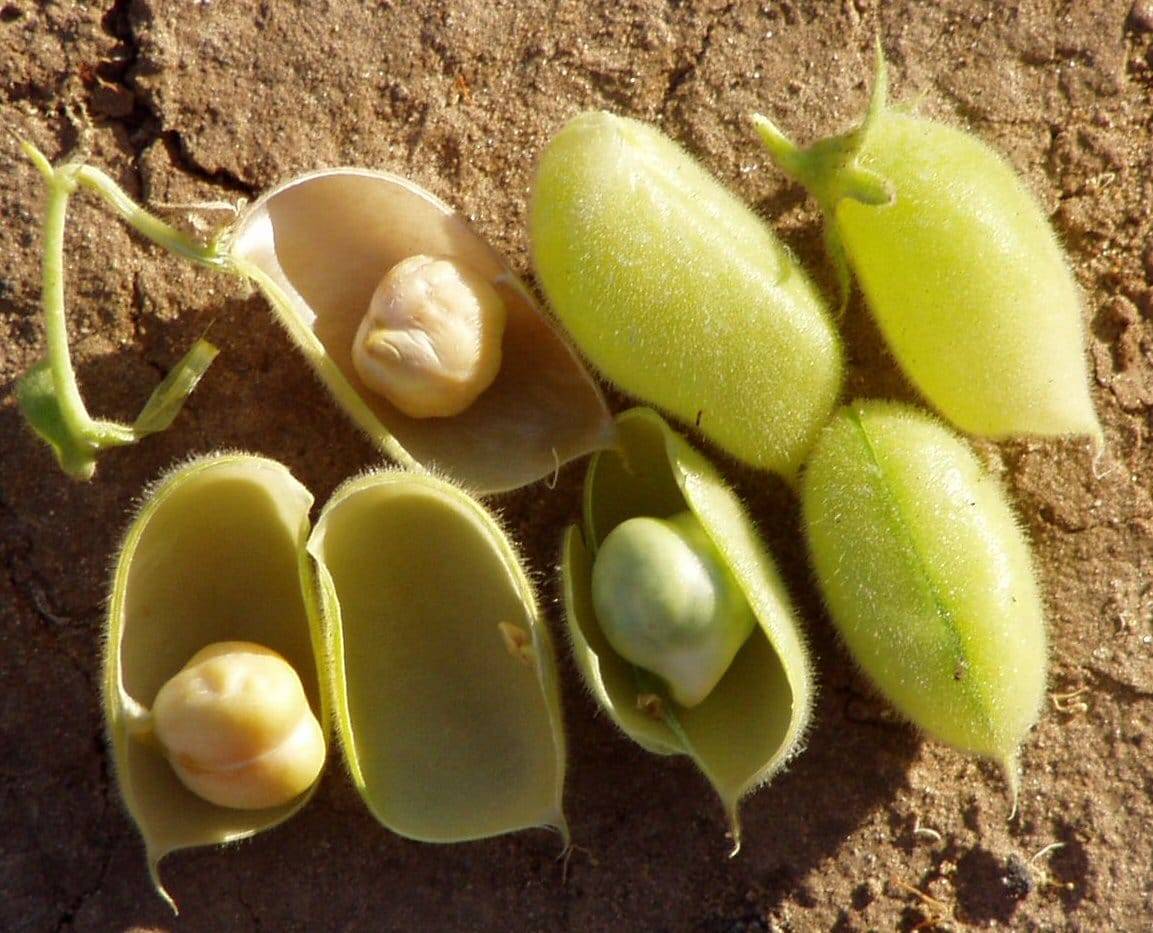
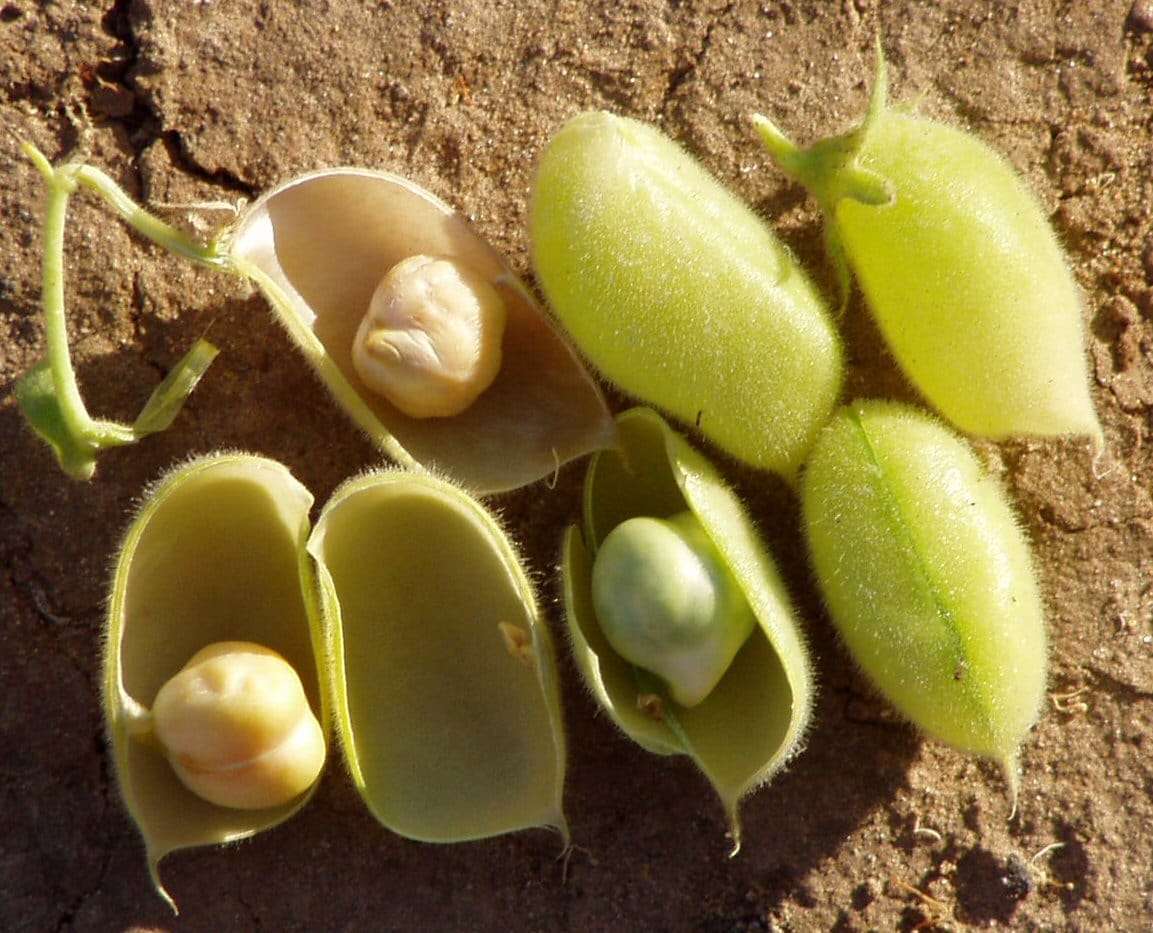
At a glance
Chickpea in the South interior
Across India
When to sow it
Twelve growing regions, January to December. Your region comes first.
Sow now
The window here is November.
- Sow
- Harvest
- Today
- Not suited here
Compare all 12 regionsShow fewer regions
See the dates as a table
| Region | Sow | Nursery | Transplant | Harvest |
|---|---|---|---|---|
| South interior | November | February | ||
| Temperate Himalaya | Not suited here | |||
| Cold desert | Not suited here | |||
| Sub-tropical foothills | Mid to end of October | Late March to April | ||
| North-west plains | 10 to 25 October25 October to 10 November | April | ||
| Gangetic plains | Late October to November | March to early April | ||
| North-east hills and valleys | Late October to November | Late February to March | ||
| Arid west | October to early November | Late February to March | ||
| Central plateau | Late October to November | Late February to March | ||
| Deccan plateau | 20 September to 10 October20 October to 10 NovemberFirst week of December | January to February | ||
| West coast | Not suited here | |||
| East coast | November | February | ||
From seed to harvest
One season, day by day
Days from sowing
Before sowing
Farmyard manure3
12.5 tonnes per hectare · Apply while bringing the soil to a fine tilth · last ploughing
Day 0
Sow
Rhizobium and Phosphobacteria cultures
One packet (200 g) of each per hectare · Mix with the seed using rice kanji as a binder and dry in the shade for 15 minutes
Rhizobium and Phosphobacteria cultures mixed with farmyard manure and soil
2 kg of each culture with 25 kg farmyard manure and 25 kg soil per hectare · Spread over the field before sowing
Day 5 to 10
Seeds come up1,2,3Part of this comes from the sources cited. The rest is an AI suggestion.
Grown rainfed. Where water is at hand, a light irrigation at flowering and pod filling helps; avoid waterlogging.No published guide covers this for the South interior, so this is an AI suggestion. Check it with local advice before you rely on it.
What it needs
Soil, sun and warmth
Soil pH1,2,5Part of this comes from the sources cited. The rest is an AI suggestion.
6 to 8
Well drained, light to medium textured soil; MPKV asks for medium to deep soil, 45 to 60 cm deep. Saline, alkaline and waterlogged soils do not suit it. It needs no fine tilth, but loose, airy soil cuts wilt and raises the yield.
SunlightNo published guide covers this for the South interior, so this is an AI suggestion. Check it with local advice before you rely on it.
At least 6 hours a day
Full sun. An open field with no shade from taller crops or trees.
Temperature1,2,5Part of this comes from the sources cited. The rest is an AI suggestion.
Grows best at 15 to 25 °C
Frost: none tolerated.
Monthly temperatures for the South interior aren't in the library yet.
Water and feeding
WateringNo published guide covers this for the South interior, so this is an AI suggestion. Check it with local advice before you rely on it.
Grown rainfed. Where water is at hand, a light irrigation at flowering and pod filling helps; avoid waterlogging.
Weeding3
Hand weed twice, on the 15th and 30th day after sowing.
| When | What | How much | How |
|---|---|---|---|
| last ploughing | Farmyard manure | 12.5 tonnes per hectare | Apply while bringing the soil to a fine tilth |
| just before sowing | Rhizobium and Phosphobacteria cultures | One packet (200 g) of each per hectare | Mix with the seed using rice kanji as a binder and dry in the shade for 15 minutes |
| at sowing, if seed is not treated | Rhizobium and Phosphobacteria cultures mixed with farmyard manure and soil | 2 kg of each culture with 25 kg farmyard manure and 25 kg soil per hectare | Spread over the field before sowing |
Varieties and yield
8 to 12 quintals a hectare
Yields vary with the plot, the seed and the season.
CO 3
About 85 days
CO 4
About 85 days
Vihar
MPKV; kabuli, extra bold seed; wilt resistant; irrigated; released for Karnataka and Tamil Nadu; 90 to 95 days
Kripa
MPKV; kabuli, extra large seed; irrigated; released for Karnataka
Pests and diseases4Part of this comes from the sources cited. The rest is an AI suggestion.
Organic and cultural controls only.
Gram pod borer
Signs
Caterpillars bore into pods and eat the seed.
What to do
- Bird perches, 20 a hectare, removed at harvest
- Intercrop with linseed, mustard, coriander or rabi sorghum
- Marigold on the border as a trap crop
- Pheromone traps to watch moth numbers
Wilt and dry root rot
What to do
- Grow tolerant varieties
- Rotate with crops that are not legumes
- Mix Trichoderma, 5 kg per hectare multiplied on 100 kg of decomposed farmyard manure, into moist soil
Seed and the season's end
Saving seed1,2Part of this comes from the sources cited. The rest is an AI suggestion.
Keep seed from a healthy, true to type plot. Leave out plants that wilted or carried blight.
When the seed is ready
Pods turn straw coloured and the plants dry up. The seed rattles in the pod.
Cleaning the seed
Cut the plants, dry them in the sun, then thresh and clean the seed.
Dry the seed well and store it in sealed bins or bags in a cool, dry place, away from storage beetles.
After the last picking4
Plough deep right after harvest and destroy the stubble.
Cut the plants 4 to 5 cm above the ground with a sickle; do not uproot them, so the roots stay in the soil. Destroy diseased plants and stubble after harvest, and plough deep soon after.
Rotation
Rotate with cereals to check soil-borne diseases: sorghum or bajra then gram, rice or maize then gram, or rice, gram and summer moong. Where wilt or dry root rot is bad, keep chickpea off that field for at least three years.
Sources
Where this comes from
Our team has checked this guide against the sources at the end of the page.Reviewed by our team on 13 November 2026.
These published guides are the sources. Where none of them covers a detail for this region, the page shows an AI suggestion and labels it.
- Agriculture: Pulses: Bengal gramTNAU Agritech Portal, Tamil Nadu Agricultural UniversityRead the source
- Integrated Pest Management Package for ChickpeaDirectorate of Plant Protection, Quarantine and Storage, Ministry of Agriculture, with the National Centre for Integrated Pest Management (ICAR) and NIPHMRead the source
- Information about crop-wise improved varieties developed by the university: Pulses (chickpea variety sheets)Pulses Improvement Project, Mahatma Phule Krishi Vidyapeeth (MPKV), RahuriRead the source
- Bengalgram Outlook Report 2025-26Agricultural Market Intelligence Centre, Acharya N G Ranga Agricultural University (ANGRAU)Read the source
AI Farm Manager · In development
Plan this crop on your land
AI Farm Manager will turn guides like this one into a plan for your own plot. It doesn't make plans yet.