
Growing french beans
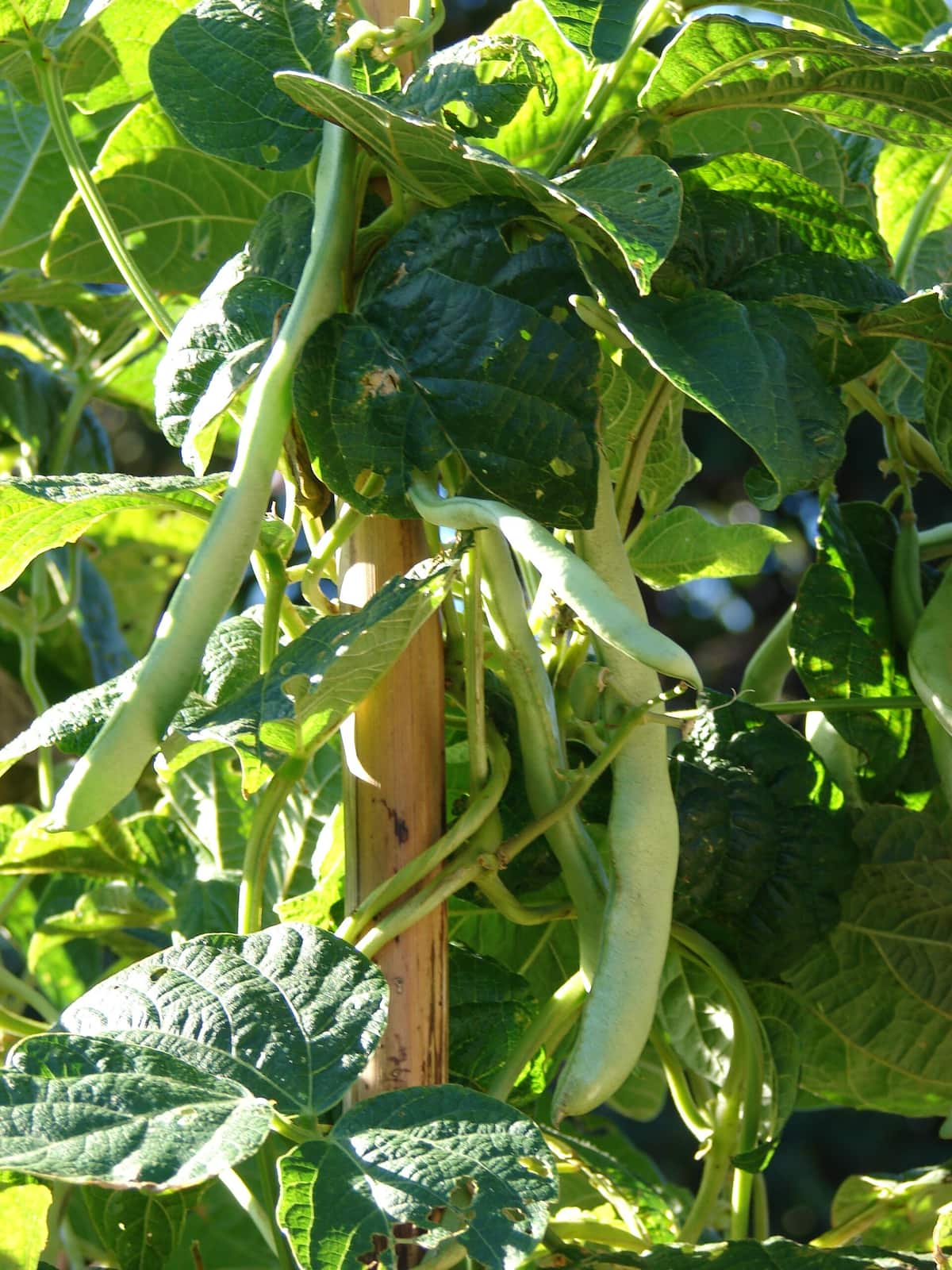
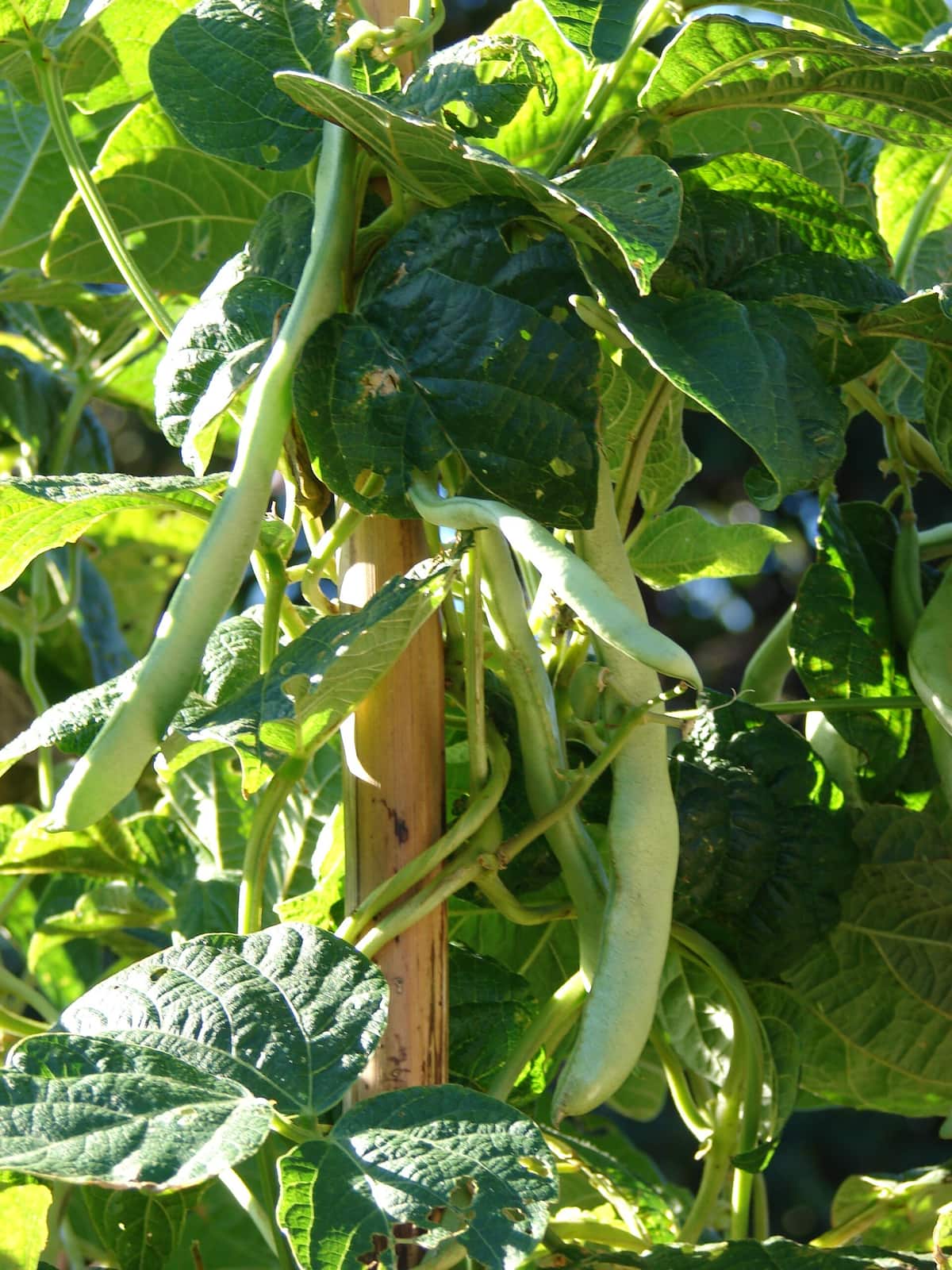
Phaseolus vulgaris · also called beans, faliyanA quick legume grown for its tender green pods, in bush or climbing types. It likes mild weather and drops its flowers in strong heat; frost kills it.
Temperate Himalaya: Kashmir valley, Shimla, Kullu, Uttarakhand hills
At a glance
French beans in the Temperate Himalaya
Across India
When to sow it
Twelve growing regions, January to December. Your region comes first.
Wait until March
The next sowing here is March to April.
- Sow
- Harvest
- Today
Compare all 12 regionsShow fewer regions
See the dates as a table
| Region | Sow | Nursery | Transplant | Harvest |
|---|---|---|---|---|
| Temperate Himalaya | April to JuneMarch to AprilJune | |||
| Cold desert | Mid-May to mid-June | Mid-July to mid-September | ||
| Sub-tropical foothills | Last week of JanuaryFirst half of FebruaryAugust to September | |||
| North-west plains | January to FebruaryJuly to September | |||
| Gangetic plains | January to FebruaryJuly to September | |||
| North-east hills and valleys | February to MarchAugust to early September | |||
| Arid west | Late September to OctoberFebruary | |||
| Central plateau | October to mid-November | |||
| Deccan plateau | September to October | |||
| South interior | October to NovemberFebruary to MarchJuly to August | |||
| West coast | July to SeptemberJanuary to February | |||
| East coast | October to November |
From seed to harvest
One season, day by day
Days from sowing
Before sowing
Well rotted farmyard manure7
8 quintals per kanal (200 quintals per hectare) · Spread before ploughing and mix into the soil · before ploughing
Day 6 to 10
Seeds come up1,7,2Part of this comes from the sources cited. The rest is an AI suggestion.
Day 50 to 60
Bush types 2 to 3 pickings; pole types 4 to 6
Water every 5 to 7 days, more at before sowing, flowering and pod development.7,2
What it needs
Soil, sun and warmth
Soil pH1
5.5 to 6.8
Grows on most soils, from sandy loam to heavy clay. Sandy and loam soils suit an early crop and heavier soils a mid-season crop. Lime the soil if the pH is below 5.5.
SunlightNo published guide covers this for the Temperate Himalaya, so this is an AI suggestion. Check it with local advice before you rely on it.
At least 6 hours a day
Full sun. Pick an open bed that gets sun for most of the day.
Temperature1,2
Grows best at 15.6 to 21.1 °C
Frost: none tolerated.
Monthly temperatures for the Temperate Himalaya aren't in the library yet.
Water and feeding
| When | What | How much | How |
|---|---|---|---|
| before ploughing | Well rotted farmyard manure | 8 quintals per kanal (200 quintals per hectare) | Spread before ploughing and mix into the soil |
Varieties and yield
75 to 100 quintals a hectare
Yields vary with the plot, the seed and the season.
Contender
Bush
Pusa Parvati
Bush
Arka Komal
Bush
VL Boni 1
Bush (dwarf)
Solan Naina
Bush
Palam Mridula
Bush
Kentucky Wonder
Pole
SVM-1
Pole; resistant to angular leaf spot
Laxmi (P-37)
Pole
Kashi Agrim
ICAR-IIVR; notified for J&K, Himachal Pradesh and Uttarakhand
Kashi Param
Bush; ICAR-IIVR; notified for J&K, Himachal Pradesh and Uttarakhand among others
Kashi Baingani
Pole, purple pods; ICAR-IIVR; notified for J&K, Himachal Pradesh and Uttarakhand among others
Good neighboursNo published guide covers this for the Temperate Himalaya, so this is an AI suggestion. Check it with local advice before you rely on it.
Organic and cultural controls only.
Aphids
Signs
Tiny soft insects; leaves yellow and young leaves curl. They also spread bean mosaic virus.
What to do
- Put up yellow sticky traps
Red spider mite
Signs
Large pale patches on the leaves, which curl, yellow, brown and drop.
What to do
- Spray a neem (azadirachtin) product
Hairy caterpillar
Signs
Larvae eat the leaves and can strip the plants.
What to do
- Collect and destroy the young larvae while they are still in groups
Bean bug
Signs
Sucks sap and leaves pale or discoloured patches on leaves and pods.
Blister beetle
Signs
Beetles feed on the flowers and leaves.
Anthracnose
Signs
Brown, sunken spots on the pods.
Prevention
- Sow healthy seed
Web blight
Signs
Reddish brown sunken marks on the stem near the soil, spreading to leaves and pods.
Prevention
- Keep the field clean
- Rotate crops
Angular leaf spot
Signs
Angular spots on the leaves, bounded by the veins.
Prevention
- Sow healthy seed
- In affected fields, keep beans off the land for two years
- Grow a resistant variety such as SVM-1
Powdery mildew
Signs
White powdery spots on the leaves.
Prevention
- Sow healthy seed
- In affected fields, keep beans off the land for three years
Bacterial blight
Signs
Yellow spots and streaks on the leaves.
Prevention
- Sow clean seed from a healthy crop
Bean common mosaic
Signs
Leaves curl and crinkle, plants stay short and set few pods.
Prevention
- Grow a resistant variety such as Pusa Parvati, Kentucky Wonder or Contender
Seed and the season's end
Saving seed1,2Part of this comes from the sources cited. The rest is an AI suggestion.
Grow the seed crop with the same seed rate and spacing as the market crop. Keep 5 m between two varieties.
When the seed is ready
Leave the pods on the plant until they turn dry and straw coloured and the seeds rattle.
Cleaning the seed
Pick the dry pods, shell them by hand and dry the seed in the shade for a few days.
Store fully dry seed in a sealed tin or jar in a cool, dry place. Seed with about 12% moisture germinates better.
After the last pickingNo published guide covers this for the Temperate Himalaya, so this is an AI suggestion. Check it with local advice before you rely on it.
After the last picking, cut the plants at the base and dig them in or compost them. Leave the roots in the soil to feed the next crop.
After the last picking, cut the plants at the base and dig them in or compost them. Burn or bury plants that died of wilt or root rot.
Rotation
Where wilt and root rot are a problem, follow a three year rotation with cereals.
Sources
Where this comes from
Our team has checked this guide against the sources at the end of the page.Reviewed by our team on 13 November 2026.
These published guides are the sources. Where none of them covers a detail for this region, the page shows an AI suggestion and labels it.
- Production Technology of Vegetables and Flowers (VSF-231), Part I: Vegetable production (French bean)CSK Himachal Pradesh Krishi Vishvavidyalaya, Palampur (Department of Vegetable Science and Floriculture)Read the source
- French bean varieties developed by IIVRICAR-Indian Institute of Vegetable Research, VaranasiRead the source
- Horticulture: Vegetables: French beansTNAU Agritech Portal, Tamil Nadu Agricultural UniversityRead the source
- French BeanDepartment of Agriculture, Himachal PradeshRead the source
AI Farm Manager · In development
Plan this crop on your land
AI Farm Manager will turn guides like this one into a plan for your own plot. It doesn't make plans yet.