
Growing moong
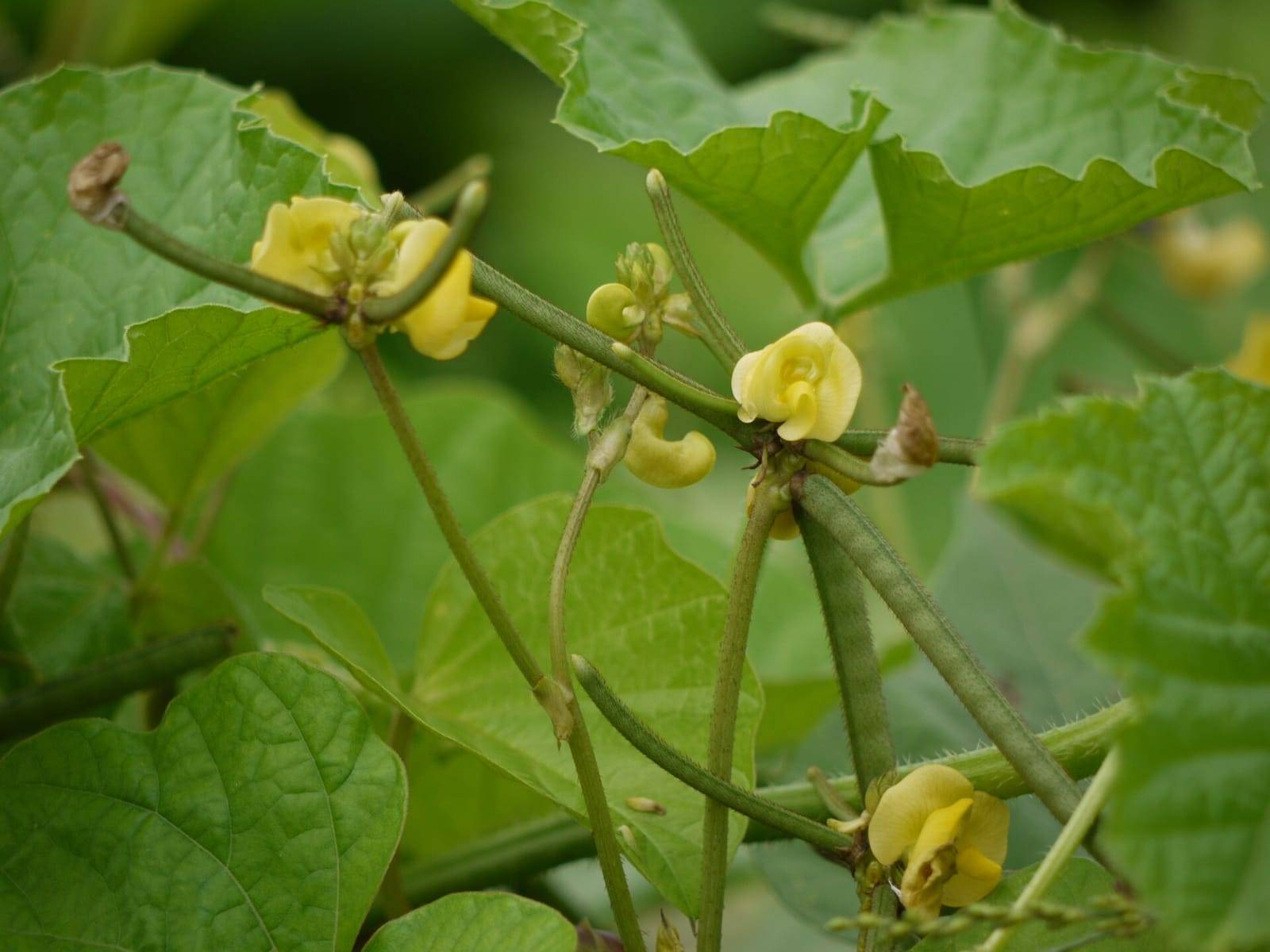
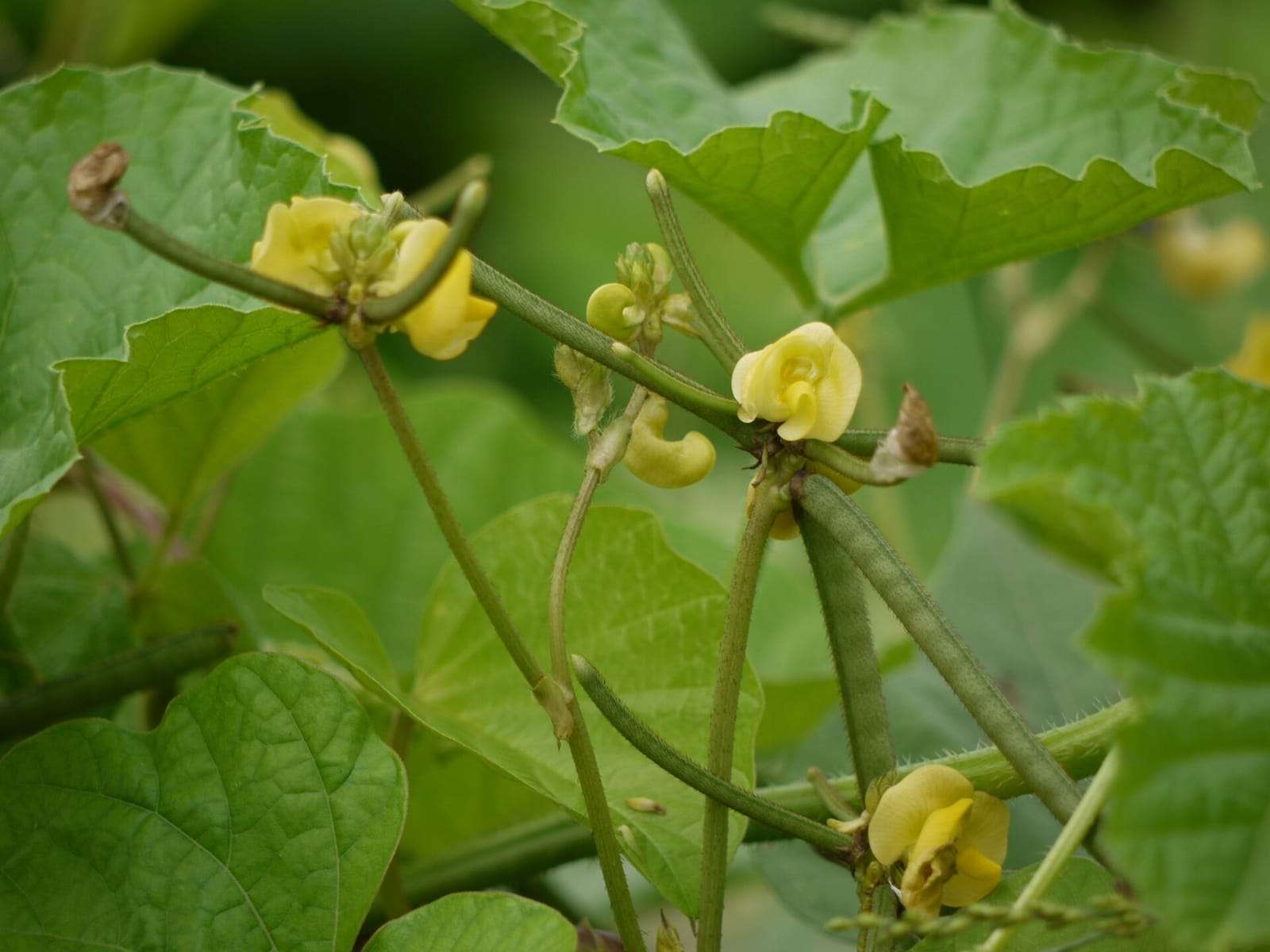
Vigna radiata · also called moongGreen gram, a short pulse grown for its small green grain. It is sown with the monsoon, and in the north also as a summer crop after wheat.
Sub-tropical foothills: Jammu, Kangra, Dehradun
At a glance
Moong in the Sub-tropical foothills
Kharif crop with the monsoon, and a summer crop after wheat1
Most varieties ripen in 60 to 75 days.
No published guide covers this for the Sub-tropical foothills, so this is an AI suggestion. Check it with local advice before you rely on it.Mid-March to 20 April1
Part of this comes from the sources cited. The rest is an AI suggestion.
Across India
When to sow it
Twelve growing regions, January to December. Your region comes first.
Wait until March
The next sowing here is Mid-March to 20 April.
- Sow
- Harvest
- Today
- Not suited here
Compare all 12 regionsShow fewer regions
See the dates as a table
| Region | Sow | Nursery | Transplant | Harvest |
|---|---|---|---|---|
| Sub-tropical foothills | Mid-March to 20 AprilOnset of monsoon to mid-July | |||
| Temperate Himalaya | Mid-May to June | Mid-August to September | ||
| Cold desert | Not suited here | |||
| North-west plains | 20 March to 10 AprilSecond half of July | |||
| Gangetic plains | Mid-March to mid-AprilLate June to early July | |||
| North-east hills and valleys | Late June to JulySeptember | |||
| Arid west | First to third week of July | |||
| Central plateau | Late June to early JulyMarch | |||
| Deccan plateau | First half of June to 7 July | |||
| South interior | June to July (Adipattam)September to October (Purattasipattam)December to January (Margazhi-Thai pattam) | |||
| West coast | September to early October, after the first paddy cropJanuary to early February, after the second paddy crop | |||
| East coast | June to July (Adipattam)September to October (Purattasipattam)December to January (Margazhi-Thai pattam)Third week of January to second week of FebruaryFebruary to March | |||
From seed to harvest
One season, day by day
Days from sowing
Day 60 to 75
Last picking
No published guide covers this for the Sub-tropical foothills, so this is an AI suggestion. Check it with local advice before you rely on it.
Day 0
Sow
Rhizobium culture1
Coat the seed before sowing
Day 4 to 7
Seeds come up1,2,3,4Part of this comes from the sources cited. The rest is an AI suggestion.
Day 60 to 75
Last pickingNo published guide covers this for the Sub-tropical foothills, so this is an AI suggestion. Check it with local advice before you rely on it.
Water every 10 to 15 days, more at pod formation.1
What it needs
Soil, sun and warmth
Soil pH1,2,3Part of this comes from the sources cited. The rest is an AI suggestion.
6.5 to 7.5
Well drained loam to sandy loam. Saline, alkaline or waterlogged soils do not suit it. In the Jammu region it grows on soils from sandy loam to heavy clay.
SunlightNo published guide covers this for the Sub-tropical foothills, so this is an AI suggestion. Check it with local advice before you rely on it.
At least 6 hours a day
Full sun in an open field. It does poorly under shade.
Temperature1,2Part of this comes from the sources cited. The rest is an AI suggestion.
Grows best at 25 to 35 °C
Frost: none tolerated.
Monthly temperatures for the Sub-tropical foothills aren't in the library yet.
Water and feeding
Watering1
A kharif crop usually needs no watering unless the rains fail; drain the field after heavy rain. A summer crop needs a watering every 10 to 15 days: 2 on heavy soil, 3 on medium and 4 on light soil. Give the last one at pod formation.
Weeding1
Weed and hoe once, about a month after sowing, when plants are 15 to 20 cm tall. Use a hand hoe, khurpa or a light cultivator.
| When | What | How much | How |
|---|---|---|---|
| sowing | Rhizobium culture | Coat the seed before sowing |
Varieties and yield
2 to 3 quintals a kanal
Yields vary with the plot, the seed and the season.
SML-668
Summer and main season; in the main season yellow mosaic has to be kept in check
ML-818
Main season
PDM-54
Main season
ML-131
Main season
PS-16
Summer sowing only
PS-7
Summer sowing only
Good neighbours1
Grows well with
Pests and diseases1
Organic and cultural controls only.
Hairy caterpillar
Signs
Hairy caterpillars eat the leaves.
What to do
- Collect and destroy egg masses and young larvae from the underside of leaves
- Hand pick and destroy grown caterpillars
Whitefly and aphids
Signs
They suck sap from leaves and pods. Whitefly also spreads mosaic virus.
What to do
- Grow varieties resistant or tolerant to yellow mosaic
- Pull out and destroy plants with mosaic or leaf curl
- Put up yellow sticky traps
Yellow mosaic
Signs
Yellow patches spread across the leaves until they turn whitish and die. Plants stay short and set few pods.
What to do
- Rogue out sick plants early
Prevention
- Use seed from a healthy crop grown where yellow mosaic does not occur, such as the higher hills
Cercospora leaf spot
Signs
Brown or black round to angular spots on leaves that merge in humid weather; leaves drop early.
Anthracnose
Signs
Dark brown crescent spots with rings on leaves; dark spots on pods.
Powdery mildew
Signs
White powdery growth on leaves that spreads to stems, worst from flowering on.
Seed and the season's end
Saving seed1,2Part of this comes from the sources cited. The rest is an AI suggestion.
Keep seed from a healthy field with no yellow mosaic. Pull out sick plants early.
When the seed is ready
Harvest when about 80% of the pods are mature, or when the leaves drop and most pods turn greyish black.
Cleaning the seed
Cut the plants with a sickle rather than uprooting them, dry them and thresh.
Dry the grain well and store it in clean, closed bins. Watch for pulse beetle (dhora).
After the last pickingNo published guide covers this for the Sub-tropical foothills, so this is an AI suggestion. Check it with local advice before you rely on it.
After harvest, dig the plants into the soil or compost them; they leave nitrogen for the next crop.
After picking the pods of a summer crop, dig the plants into the soil before the next crop. PAU says burying the stover before rice cuts the nitrogen the rice needs by about a third.
Rotation
Fits after wheat or potato as a summer crop, and before wheat or raya as a kharif crop. PAU rotations include moong-wheat, summer moong-rice-potato and summer moong-maize-potato.
Sources
Where this comes from
Our team has checked this guide against the sources at the end of the page.Reviewed by our team on 13 November 2026.
These published guides are the sources. Where none of them covers a detail for this region, the page shows an AI suggestion and labels it.
- Package of Practices for Kharif Crops 2016 (Moong and mash)Directorate of Extension, Sher-e-Kashmir University of Agricultural Sciences and Technology of Jammu (SKUAST-Jammu)Read the source
- TNAU Agritech Portal: Crop production, Pulses, GreengramTamil Nadu Agricultural University, CoimbatoreRead the source
- TNAU Agritech Portal: Organic package of practices for green gramTamil Nadu Agricultural University, CoimbatoreRead the source
- AESA based IPM package: Black gram (urd) and green gram (moong)National Institute of Plant Health Management (NIPHM), Hyderabad, with the Directorate of Plant Protection, Quarantine and Storage, Government of IndiaRead the source
AI Farm Manager · In development
Plan this crop on your land
AI Farm Manager will turn guides like this one into a plan for your own plot. It doesn't make plans yet.