
Growing mint
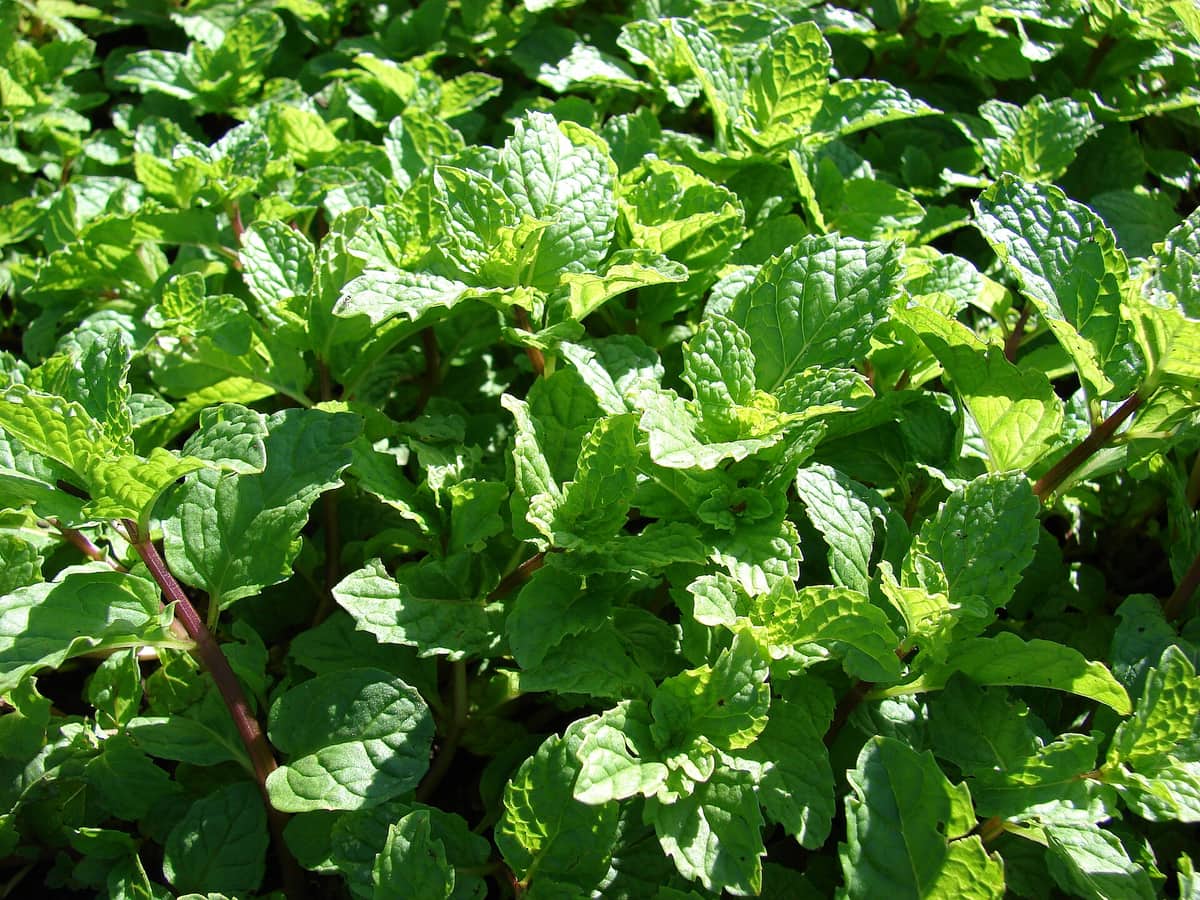
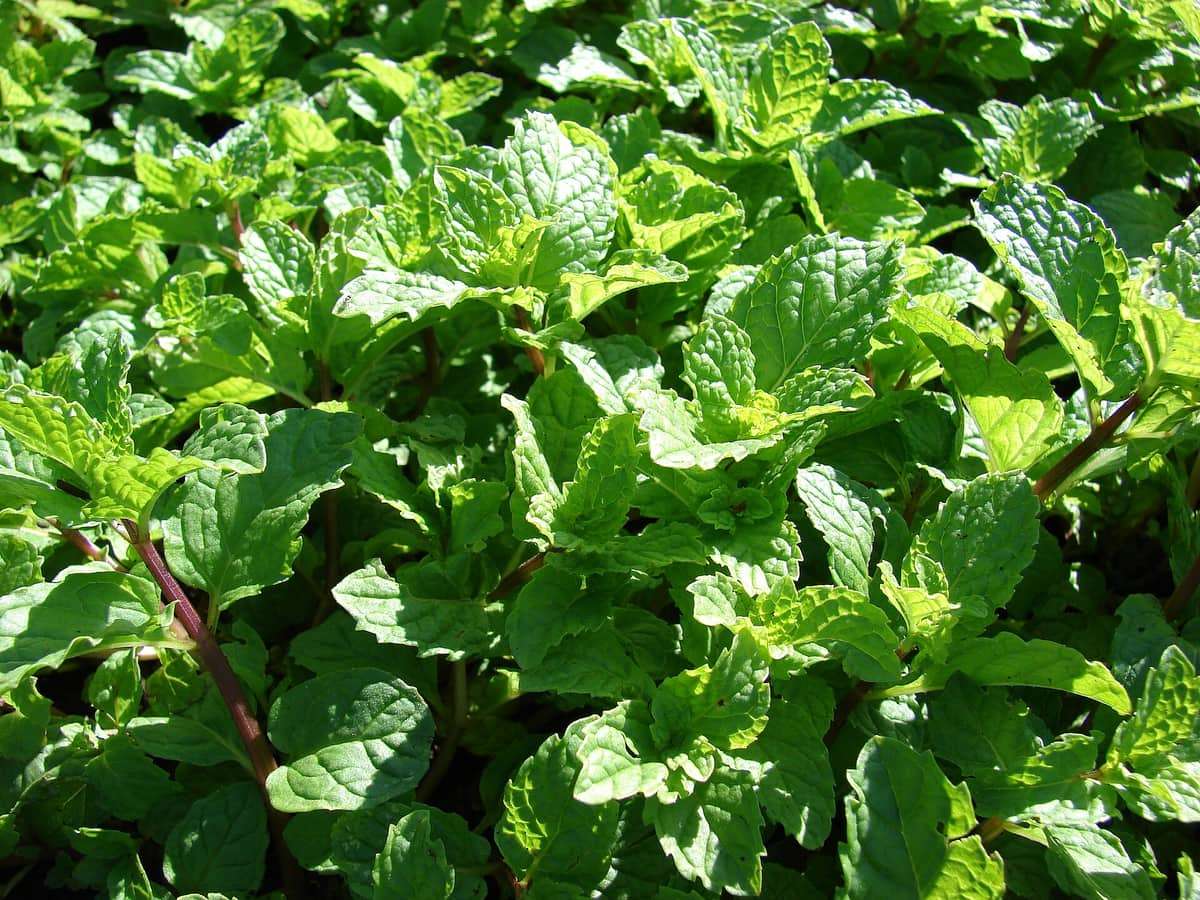
Mentha spp. · also called pudinaA spreading perennial herb grown from runners and rooted cuttings for its fresh leaves. It does well in pots and beds; menthol mint is also a large field crop for oil.
Gangetic plains: eastern Uttar Pradesh, Bihar, West Bengal plains
At a glance
Mint in the Gangetic plains
Across India
When to sow it
Twelve growing regions, January to December. Your region comes first.
Wait until January
The next sowing here is Mid-January to mid-February.
- Sow
- Transplant
- Harvest
- Today
Compare all 12 regionsShow fewer regions
See the dates as a table
| Region | Sow | Nursery | Transplant | Harvest |
|---|---|---|---|---|
| Gangetic plains | Mid-January to mid-February | April, for a transplanted crop | June, first cutSeptember, second cut | |
| Temperate Himalaya | March to April | Late May to early October | ||
| Cold desert | May to early June | July to September | ||
| Sub-tropical foothills | Late January to early March | Late April to October | ||
| North-west plains | Mid-January to mid-February | April, for a transplanted crop | June, first cutSeptember, second cut | |
| North-east hills and valleys | Late February to early April | May to early November | ||
| Arid west | October to NovemberLate January to February | December to early May | ||
| Central plateau | January to FebruaryOctober to early November | Late March to September | ||
| Deccan plateau | June to JulyOctober to November | September to early May | ||
| South interior | June to July | |||
| West coast | Late September to early November | Late November to May | ||
| East coast | June to July |
From seed to harvest
One season, day by day
What it needs
Soil, sun and warmth
Soil pH1,2
6.5 to 7
Well-drained loam or sandy loam with plenty of organic matter; free from acidity, salinity, alkalinity and waterlogging.
Sunlight2Part of this comes from the sources cited. The rest is an AI suggestion.
At least 4 hours a day
Full sun and bright weather for strong growth. Culinary mint also grows in light shade, which helps in hot summers.
TemperatureNo published guide covers this for the Gangetic plains, so this is an AI suggestion. Check it with local advice before you rely on it.
Grows best at 18 to 30 °C
Takes hard frost.
Monthly temperatures for the Gangetic plains aren't in the library yet.
Water and feeding
Watering3
Frequent light watering: every 10 days until the end of March, then every 5 or 6 days until the monsoon; in the rains, only as needed.
Weeding3
Use a wheel hoe to keep weeds down while the crop is young.
| When | What | How much | How |
|---|---|---|---|
| Before planting | Well-rotted farmyard manure | 10 to 15 t per acre | Work it into the soil during land preparation. |
Varieties and yield
100 to 125 quintals an acre
Yields vary with the plot, the seed and the season.
Good neighbours2
Grows well with
Pests and diseases3
Organic and cultural controls only.
Termite (Odontotermes obesus)
Signs
Attacks the roots and the underground stems.
Cutworm (Agrotis spp.)
Signs
Cuts young plants at ground level; the larvae hide near the plant base by day.
Jassid and whitefly
Signs
Sap-sucking pests that slow growth and lower the oil in the herb.
Hairy caterpillars
Signs
In bad years they eat leaves and tender stems; young larvae feed in groups and older ones move from field to field.
What to do
- Use light traps to catch the moths.
- Pluck leaves carrying groups of young larvae, or pull out the infested plants, and bury them.
- Crush the grown caterpillars.
Root rot and stem rot (Rhizoctonia bataticola)
Signs
Brown patches on the affected parts darken and spread; the leaves wither and die.
What to do
- Pull out and destroy infected plants.
Prevention
- Do not take planting suckers from an infected field.
- Do not grow mentha in the same field year after year.
Seed and the season's end
Saving seed2Part of this comes from the sources cited. The rest is an AI suggestion.
Mint is grown from suckers, not seed. Dig fresh suckers from a healthy bed; do not take them from a field with root or stem rot.
When the seed is ready
Use firm, white or pale runners that have not yet sprouted; sprouted suckers mostly die.
Plant them soon after digging. Keep them cool, shaded and moist for a day or two if needed.
After the last picking4Part of this comes from the sources cited. The rest is an AI suggestion.
Rotate mint with other crops, such as rice, potato or peas, as the local cropping system allows. A home bed is perennial: lift and replant it every three or four years when the clump gets crowded, and compost the old stems.
Compost the old stems after the last cut, or after lifting an old bed.
Rotation
Do not grow mint in the same field year after year. Field rotations include mentha with potato, toria, fodder oats or basmati rice.
Sources
Where this comes from
Our team has checked this guide against the sources at the end of the page.Reviewed by our team on 13 November 2026.
These published guides are the sources. Where none of them covers a detail for this region, the page shows an AI suggestion and labels it.
- Mint (Horticulture: aromatic crops)TNAU Agritech Portal, Tamil Nadu Agricultural University, CoimbatoreRead the source
- Menthol mint cultivation: step towards Atmanirbhar Bharat (Indian Horticulture 66(2), March-April 2021, pp 10-13)ICAR (Indian Horticulture magazine); authors Priyanka Suryavanshi, Dipender Kumar and Abdul Mazeed, CSIR-CIMAP, LucknowRead the source
- AESA based IPM package: MintNational Institute of Plant Health Management, Hyderabad, and Directorate of Plant Protection, Quarantine and Storage, Faridabad (Department of Agriculture, Cooperation and Farmers Welfare, Government of India)Read the source
AI Farm Manager · In development
Plan this crop on your land
AI Farm Manager will turn guides like this one into a plan for your own plot. It doesn't make plans yet.