
Growing peas
Pisum sativum · also called MatarA cool season legume sown straight into the bed for its sweet green pods. It likes mild days, takes light frost while young and fixes its own nitrogen.
Gangetic plains: eastern Uttar Pradesh, Bihar, West Bengal plains
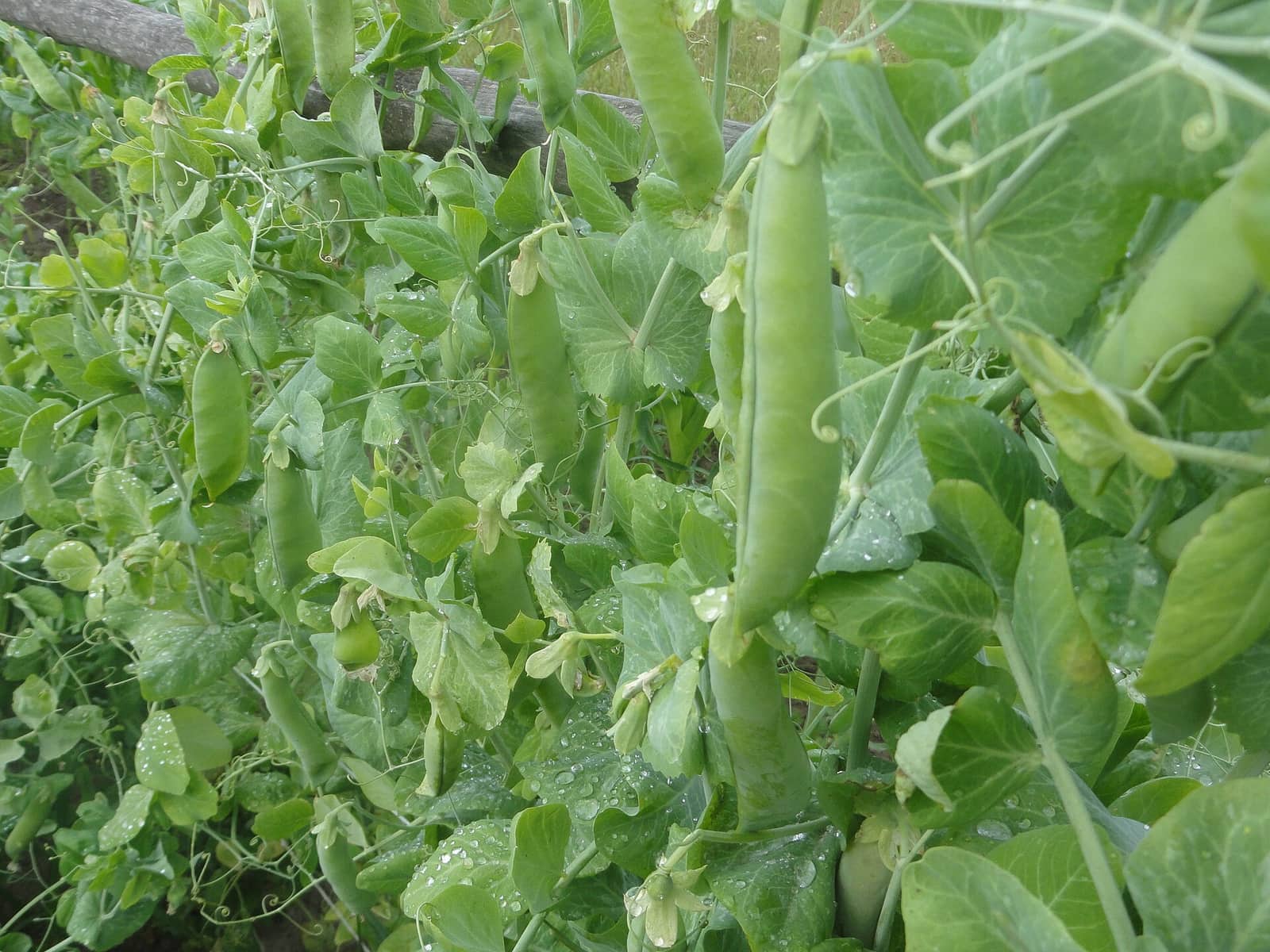
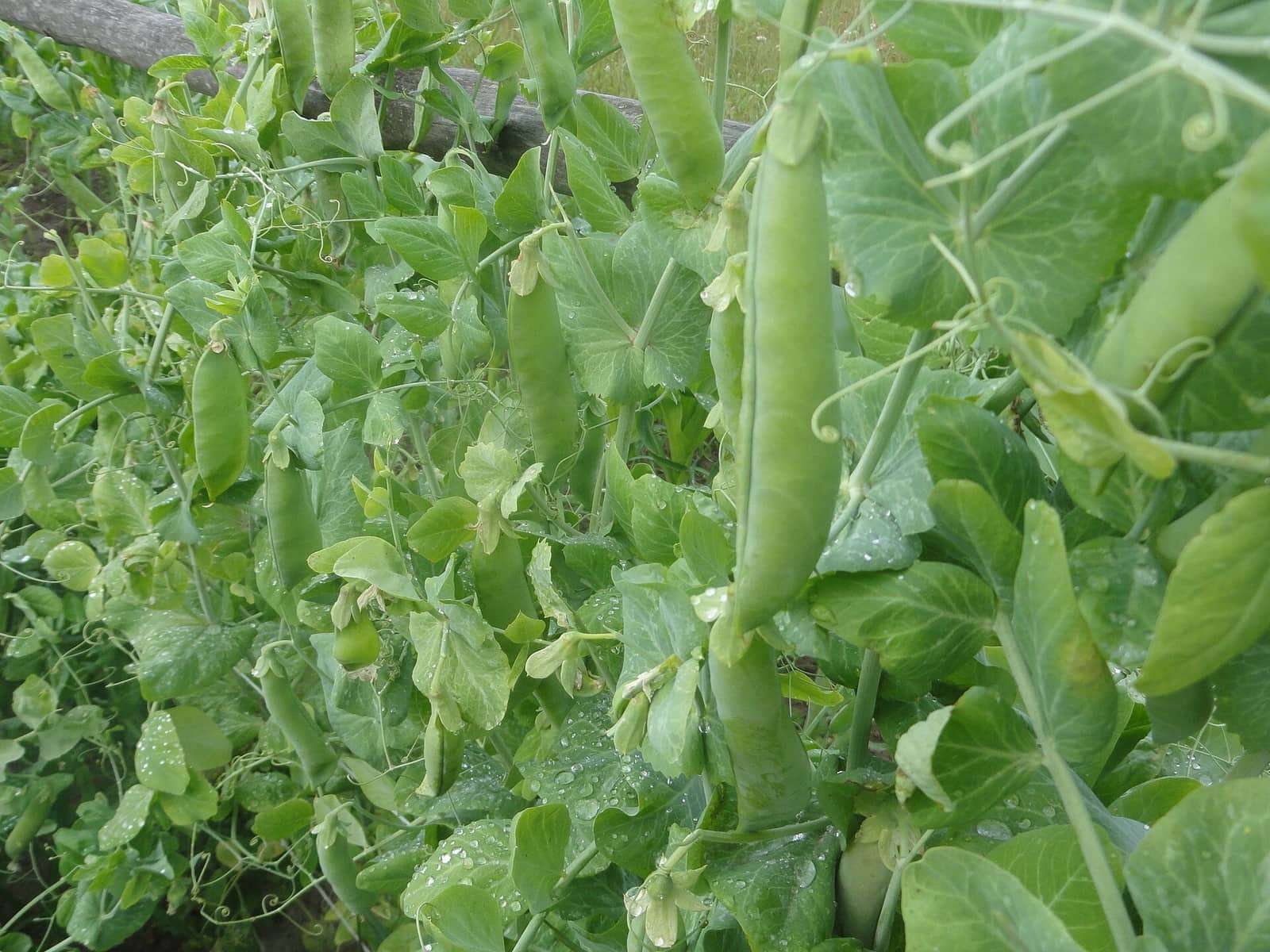
At a glance
Peas in the Gangetic plains
Across India
When to sow it
Twelve growing regions, January to December. Your region comes first.
Sow now
The window here is October to November.
- Sow
- Harvest
- Today
- Not suited here
Compare all 12 regionsShow fewer regions
See the dates as a table
| Region | Sow | Nursery | Transplant | Harvest |
|---|---|---|---|---|
| Gangetic plains | October to November | |||
| Temperate Himalaya | October to NovemberMarch to June | September to October | ||
| Cold desert | April to May | September to October | ||
| Sub-tropical foothills | Last week of OctoberMid-October to mid-November | |||
| North-west plains | Mid-October to mid-November | |||
| North-east hills and valleys | October to mid-November | |||
| Arid west | Mid-October to mid-November | |||
| Central plateau | Mid-October to November | |||
| Deccan plateau | Mid-October to November | |||
| South interior | October to NovemberFebruary to March | |||
| West coast | Not suited here | |||
| East coast | October to November | |||
From seed to harvest
One season, day by day
What it needs
Soil, sun and warmth
Soil pH2,3,1,6
6 to 7.5
Well drained, fertile loam. Light soils suit an early crop and heavier soils a main season crop. It does poorly on acid soils below pH 5.5.
SunlightNo published guide covers this for the Gangetic plains, so this is an AI suggestion. Check it with local advice before you rely on it.
At least 6 hours a day
Full sun. Pick an open bed away from tall shade.
Temperature1,3,6
Grows best at 10 to 18 °C
Takes light frost.
Monthly temperatures for the Gangetic plains aren't in the library yet.
Water and feeding
Watering6
Water moderately, above all at flowering and pod filling.
WeedingNo published guide covers this for the Gangetic plains, so this is an AI suggestion. Check it with local advice before you rely on it.
Hoe and weed twice, about three and six weeks after sowing, while the plants are small.
| When | What | How much | How |
|---|---|---|---|
| before sowing | Farmyard manure | 15 to 20 tonnes per hectare | Mix in before sowing |
Varieties and yield
110 to 120 quintals a hectare
Yields vary with the plot, the seed and the season.
Kashi Nandini
Early
Kashi Ageti
Early; Uttar Pradesh, Bihar, Jharkhand
Kashi Purvi
Early; Uttar Pradesh
Kashi Udai
Early; Uttar Pradesh
Kashi Mukti
Early; Uttar Pradesh; resistant to powdery mildew
Kashi Shakti
Medium; Uttar Pradesh
Kashi Samridhi
Late; Bihar, Jharkhand, Uttar Pradesh; resistant to powdery mildew
Kashi Tripti
Edible podded; Uttar Pradesh
Good neighboursNo published guide covers this for the Gangetic plains, so this is an AI suggestion. Check it with local advice before you rely on it.
Organic and cultural controls only.
Pod borer
Signs
Caterpillars bore into pods and eat the seeds.
Aphids
Signs
Insects suck sap from the shoots, so leaves turn pale, curl and dry.
What to do
- Remove weeds on bunds, waste land and channels
- Do not overfeed with nitrogen
Thrips
Signs
Tiny insects suck sap from the young crop.
What to do
- Remove weeds in and around the field
Cutworms
Signs
Caterpillars cut young plants at soil level.
Powdery mildew
Signs
White powdery growth on leaves, stems and pods.
What to do
- Grow a resistant variety such as Kashi Mukti, Kashi Samridhi or Kashi Tripti
Rust
Signs
Yellow to reddish brown raised pustules, mostly under the leaves.
Prevention
- Keep the field free of Rewari weed
- Avoid late sowing
Fusarium wilt
Signs
Lower leaves yellow and the plant wilts.
Prevention
- Avoid early sowing in badly infested fields
Downy mildew
Signs
Pale patches on leaves with greyish growth underneath in cool, damp weather.
Seed and the season's end
Saving seed1,2Part of this comes from the sources cited. The rest is an AI suggestion.
Grow the seed crop with the same seed rate and spacing as the table crop. Keep 5 m between two varieties.
When the seed is ready
Leave the pods on the plant until they turn dry and papery and the seeds rattle.
Cleaning the seed
Pick the dry pods, shell them by hand and dry the seed in the shade for a few days.
Store fully dry seed in a sealed tin or jar in a cool, dry place.
After the last pickingNo published guide covers this for the Gangetic plains, so this is an AI suggestion. Check it with local advice before you rely on it.
Pull or cut the vines after the last picking and compost them, or dig them in to feed the next crop.
After the last picking, chop the vines and dig them in or compost them. Remove plants that died of wilt or rot.
Rotation
Follow a three year rotation with cereals where wilt is a problem. Do not grow peas straight after brinjal, cauliflower, carrot or peas; tomato or chilli is a better crop before them.
Sources
Where this comes from
Our team has checked this guide against the sources at the end of the page.Reviewed by our team on 13 November 2026.
These published guides are the sources. Where none of them covers a detail for this region, the page shows an AI suggestion and labels it.
- Production Technology of Vegetables and Flowers (VSF-231), Part I: Vegetable production (Garden pea)CSK Himachal Pradesh Krishi Vishvavidyalaya, Palampur (Department of Vegetable Science and Floriculture)Read the source
- Horticulture: Vegetables: PeasTNAU Agritech Portal, Tamil Nadu Agricultural UniversityRead the source
- Economic potential of pea farming in Himachal Pradesh (Indian Farming 74(12): 15-17, December 2024)ICAR (Indian Farming); authors at Dr Y S Parmar University of Horticulture and Forestry, Nauni, SolanRead the source
- Pea: varieties developed by IIVR and cultivation detailsICAR-Indian Institute of Vegetable Research, VaranasiRead the source
AI Farm Manager · In development
Plan this crop on your land
AI Farm Manager will turn guides like this one into a plan for your own plot. It doesn't make plans yet.