
Growing spinach
Spinacia oleracea · also called Palak, Vilayati palakA cool season leafy green sown direct and cut several times. This guide covers true spinach (Spinacia oleracea), not the spinach beet that is also sold as palak.
North-east hills and valleys: Assam, Meghalaya, Sikkim, Darjeeling
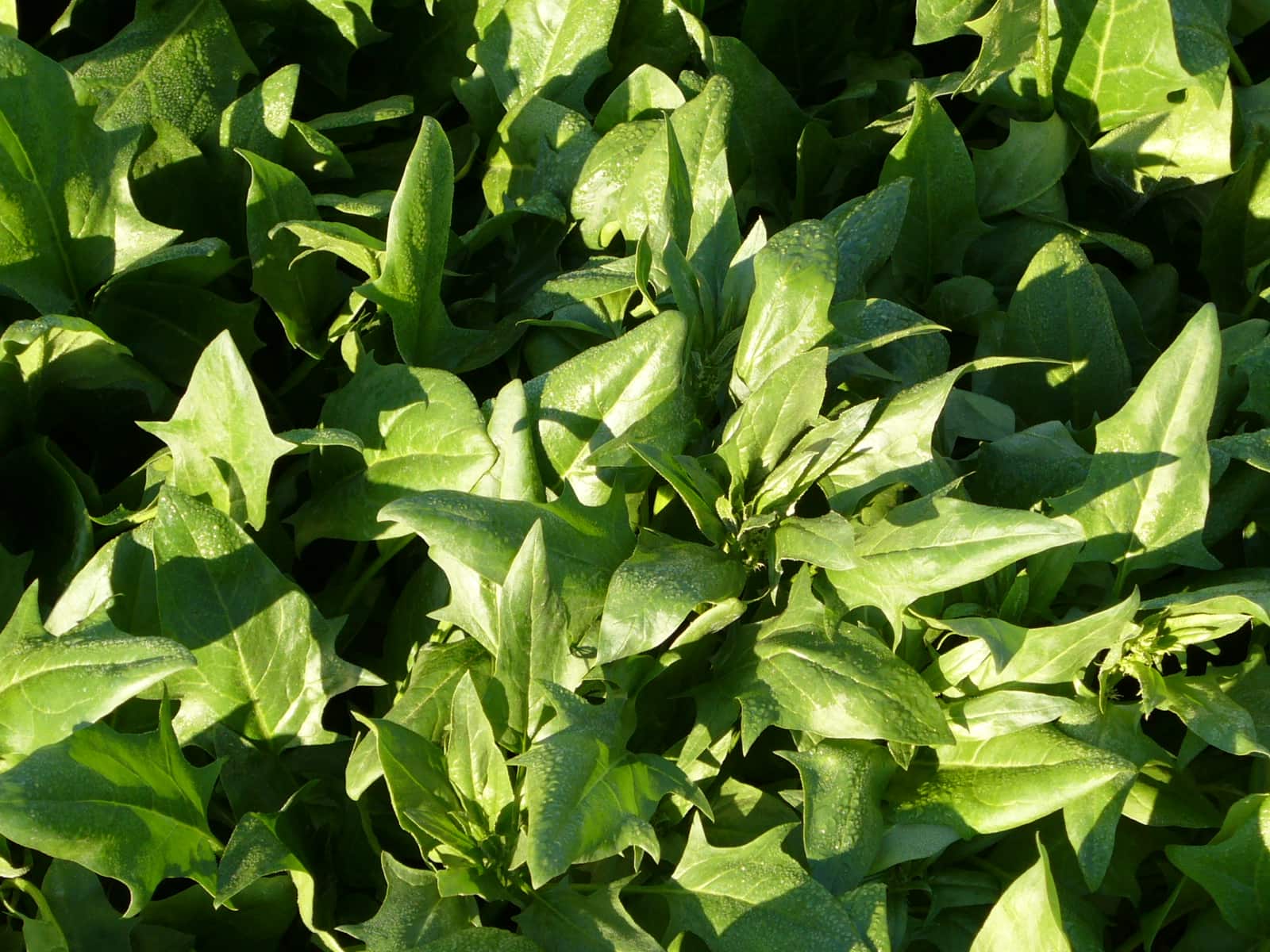
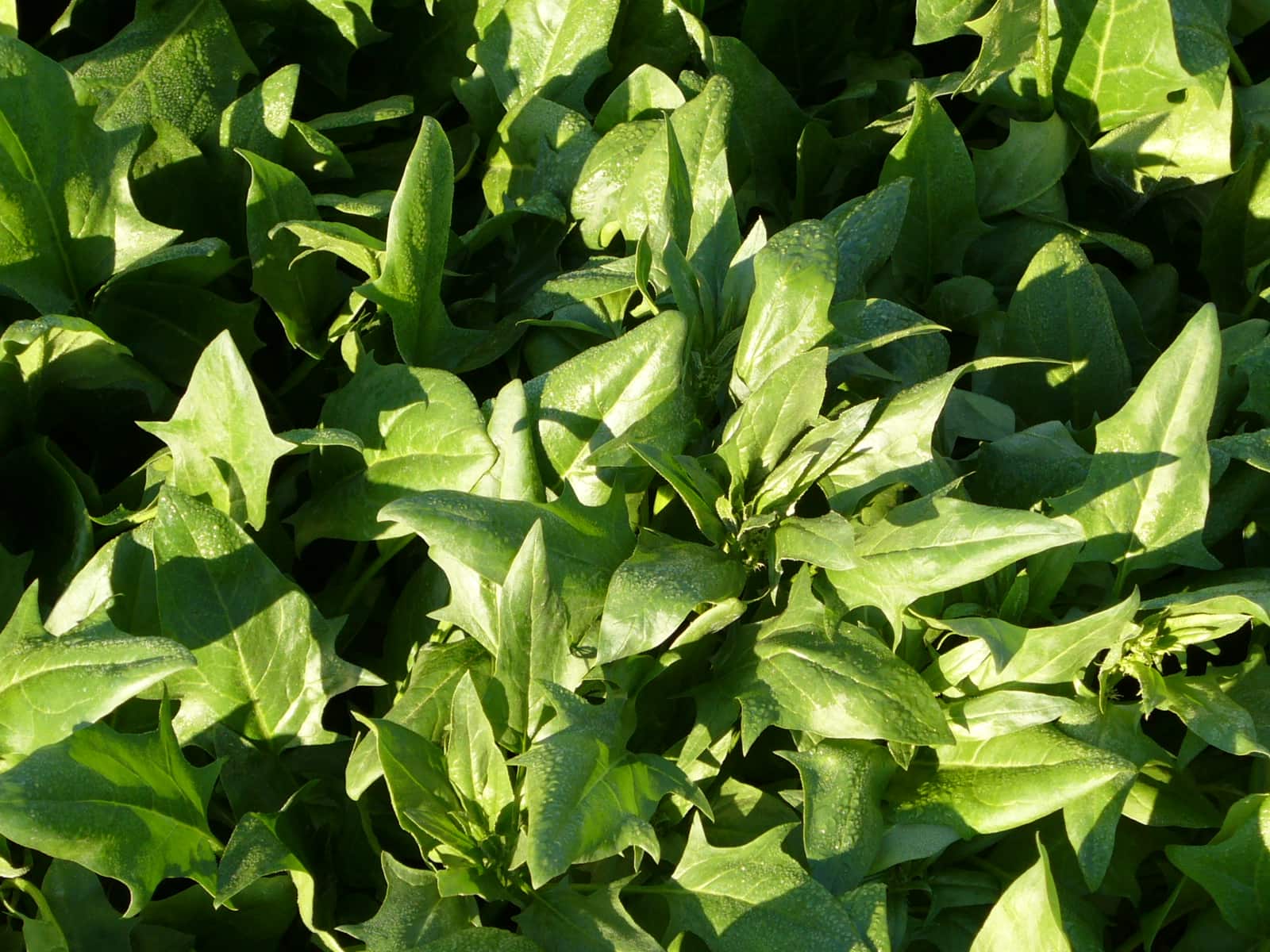
At a glance
Spinach in the North-east hills and valleys
Autumn to winter in the hills4
About 2 to 3 months; the cool season is short, so expect fewer cuttings than in the north.
No published guide covers this for the North-east hills and valleys, so this is an AI suggestion. Check it with local advice before you rely on it.September to October4
Part of this comes from the sources cited. The rest is an AI suggestion.35 to 45 days after sowing
No published guide covers this for the North-east hills and valleys, so this is an AI suggestion. Check it with local advice before you rely on it.
Across India
When to sow it
Twelve growing regions, January to December. Your region comes first.
Too late this season
The window here was September to October. The next one opens in September.
- Sow
- Nursery
- Transplant
- Under cover
- Today
- Not suited here
Compare all 12 regionsShow fewer regions
See the dates as a table
| Region | Sow | Nursery | Transplant | Harvest |
|---|---|---|---|---|
| North-east hills and valleys | September to October | |||
| Temperate Himalaya | September to OctoberMarch to June | |||
| Cold desert | April to May, after the snow melts | Under cover: Early October | Under cover: Mid to late October | |
| Sub-tropical foothills | August to December | |||
| North-west plains | October to November (November preferred) | |||
| Gangetic plains | October to November (November preferred) | |||
| Arid west | Late October to November | |||
| Central plateau | Late October to November | |||
| Deccan plateau | Not suited here | |||
| South interior | Not suited here | |||
| West coast | Not suited here | |||
| East coast | Not suited here | |||
From seed to harvest
One season, day by day
Days from sowing
Before sowing
Field preparation
Farmyard manure
10 t per acre
Work it into the soil 2 to 3 weeks before sowing.
Day 0
Sow
Day 35 to 45
First picking
Every 2 to 3 weeks while the weather stays cool.
No published guide covers this for the North-east hills and valleys, so this is an AI suggestion. Check it with local advice before you rely on it.
Day 60 to 90
Last picking
No published guide covers this for the North-east hills and valleys, so this is an AI suggestion. Check it with local advice before you rely on it.
Before sowing
Farmyard manure6
10 t per acre · Work it into the soil 2 to 3 weeks before sowing. · Field preparation
Day 0
Sow
Day 7 to 10
Seeds come up1,2,3,4,6Part of this comes from the sources cited. The rest is an AI suggestion.
Day 35 to 45
First pickingNo published guide covers this for the North-east hills and valleys, so this is an AI suggestion. Check it with local advice before you rely on it.
Every 2 to 3 weeks while the weather stays cool.
Day 60 to 90
Last pickingNo published guide covers this for the North-east hills and valleys, so this is an AI suggestion. Check it with local advice before you rely on it.
Water every 8 to 10 days in winter and every 4 to 5 days when it turns warm. Avoid waterlogging.6
What it needs
Soil, sun and warmth
Soil pH1,4
6 to 7.5
Grows on many soils. Well drained loam or sandy loam suits it more than heavy soil. It is moderately tolerant of salt and responds well to farmyard manure.
SunlightNo published guide covers this for the North-east hills and valleys, so this is an AI suggestion. Check it with local advice before you rely on it.
Full sun in the cool months. Late in the season, when days lengthen and warm up, light shade can slow bolting.
Temperature3,1
Grows best at 15.5 to 18.3 °C
Takes hard frost.
Monthly temperatures for the North-east hills and valleys aren't in the library yet.
Water and feeding
Watering6
Water every 8 to 10 days in winter and every 4 to 5 days when it turns warm. Avoid waterlogging.
Weeding6
Use a stale seed bed or solarise the soil under clear polythene before sowing, then hoe or hand weed until about 30 days after sowing.
| When | What | How much | How |
|---|---|---|---|
| Field preparation | Farmyard manure | 10 t per acre | Work it into the soil 2 to 3 weeks before sowing. |
Varieties and yield
8 to 12 tonnes a hectare
Yields vary with the plot, the seed and the season.
Good neighbours6
Organic and cultural controls only.
Aphid (Aphis gossypii)
Signs
Colonies on tender shoots and under the leaves, which curl and crinkle.
What to do
- Prune out the leaves or shoots when only a few are infested.
- Release green lacewing larvae (Chrysoperla zastrowi sillemi), about 4,000 an acre.
- Hang 4 to 5 yellow sticky traps an acre to watch numbers.
- Spray neem seed kernel extract 5%.
Prevention
- A reflective silver mulch keeps aphids from settling.
Leaf miner (Liriomyza trifolii)
Signs
Winding pale mines in the leaves where maggots feed between the leaf surfaces.
What to do
- Pick and destroy mined leaves.
- Spray neem seed kernel extract 4%, or neem oil 5 ml per litre of water with a sticker.
Prevention
- Do not overdo nitrogen.
- Interplant beans, and grow tomato as a trap crop.
Leaf-eating caterpillars (tobacco caterpillar Spodoptera litura, beet armyworm, gram pod borer Helicoverpa armigera)
Signs
Young caterpillars feed in groups and scrape the leaves; older ones eat holes and strip them.
What to do
- Collect and destroy egg masses and young caterpillars, and handpick older ones.
- Put up 4 to 5 pheromone traps an acre and change the lures every 2 to 3 weeks.
- Run a light trap from 6 pm to 10 pm, and put up about 20 bird perches an acre.
- Release the egg parasitoids Trichogramma chilonis or T. pretiosum, about 25,000 an acre.
- Spray neem seed kernel extract 4% against eggs and first stage caterpillars.
Prevention
- Grow castor as a trap crop for the tobacco caterpillar and marigold for the gram pod borer.
- Plough deep in summer.
Cutworm (Agrotis ipsilon)
Signs
Caterpillars eat the foliage, most of it in their last stage before pupating.
What to do
- Release Trichogramma, about 20,000 an acre.
- Handpick the older caterpillars.
Prevention
- Plough deep in summer to expose the resting stages.
Downy mildew (Peronospora farinosa f. sp. spinaciae)
Signs
Dull to bright yellow spots on seed leaves and leaves that grow, turn brown and dry; a purplish grey growth shows under the leaf.
What to do
- Remove and destroy infected leaves and plants.
- Avoid waterlogging and dense, damp stands.
Prevention
- Rotate with crops that do not host it.
- Keep the field clean and sow on time.
Anthracnose (Colletotrichum dematium)
Signs
Small round water-soaked spots on young and old leaves turn brown, thin and papery, with tiny black dots in them.
What to do
- Cut the leaves at regular intervals to slow the spread.
- Avoid sprinkler irrigation so the leaves stay dry.
Cladosporium and Stemphylium leaf spots
Signs
Small round spots on the leaves. Cladosporium spots are brown with dark green mould in the centre; Stemphylium spots start grey-green, turn brown and run together.
What to do
- After a seed crop, work the residues into the soil and plough in volunteer plants.
Damping off and root rot (Pythium and Rhizoctonia)
Signs
Seedlings rot at the stem base and fall over; older plants wilt from rotten roots.
What to do
- Treat seed with Trichoderma, 5 g per kg of seed.
- Apply Trichoderma and Pseudomonas fluorescens to the soil.
- Work in neem cake or pongamia cake, about 100 kg an acre.
Prevention
- Avoid overwatering and poorly drained patches.
- Sow on raised beds where drainage is poor.
Seed and the season's end
Saving seed1,4
Sow the seed crop in November in the plains, in rows 60 cm apart, and thin to 10 cm. Keep it at least 1,000 m from other spinach (1,600 m for foundation seed), as wind carries the pollen. Take one leaf cutting, then leave the crop to flower.
When the seed is ready
Seed ripens unevenly, about 120 to 150 days after sowing, so it is gathered in about three pickings once the plants dry.
Cleaning the seed
Pull out off-types, early bolters and the small extreme male plants before and during flowering. Thresh the dry plants by beating with sticks and clean the seed by winnowing.
Dry the seed well to a safe moisture level before packing it.
After the last pickingNo published guide covers this for the North-east hills and valleys, so this is an AI suggestion. Check it with local advice before you rely on it.
Clear the crop once it bolts in spring and compost the remains. Follow with a summer crop that does not host the same leaf spots, such as a gourd or a legume.
Clear and destroy crop debris. After a seed crop, work the residues into the soil and plough in volunteer plants to cut down leaf spot carry-over.
Rotation
Rotate with crops that do not host spinach pests and diseases, such as cereals, peas or beans. Being short, it fits between longer crops in a rice and wheat or okra and bean system.
Sources
Where this comes from
Our team has checked this guide against the sources at the end of the page.Reviewed by our team on 13 November 2026.
These published guides are the sources. Where none of them covers a detail for this region, the page shows an AI suggestion and labels it.
- Package of Practices for Vegetable Crops 2020 (Spinach; cropping systems; protected cultivation)Directorate of Extension, Sher-e-Kashmir University of Agricultural Sciences and Technology of Jammu (SKUAST-Jammu)Read the source
- Package of Practices for Vegetable Crops 2016 (Spinach)Directorate of Extension, Sher-e-Kashmir University of Agricultural Sciences and Technology of Jammu (SKUAST-Jammu)Read the source
- Production Technology of Vegetables and Flowers (VSF-231), Part I: Vegetable production (Leafy vegetables: beet leaf and spinach)CSK Himachal Pradesh Krishi Vishvavidyalaya, Palampur (Department of Vegetable Science and Floriculture)Read the source
- Pusa Vilayati Palak: a highly nutritious spinach variety (Indian Horticulture 65(4), July to August 2020), with its package of practicesICAR-Indian Agricultural Research Institute, New Delhi (Division of Vegetable Science), in Indian Horticulture, ICARRead the source
- AESA based IPM package: SpinachNational Institute of Plant Health Management and Directorate of Plant Protection, Quarantine and Storage, Government of IndiaRead the source
AI Farm Manager · In development
Plan this crop on your land
AI Farm Manager will turn guides like this one into a plan for your own plot. It doesn't make plans yet.