
Growing spinach
Spinacia oleracea · also called Palak, Vilayati palakA cool season leafy green sown direct and cut several times. This guide covers true spinach (Spinacia oleracea), not the spinach beet that is also sold as palak.
South interior: Bengaluru, Mysuru, interior Tamil Nadu
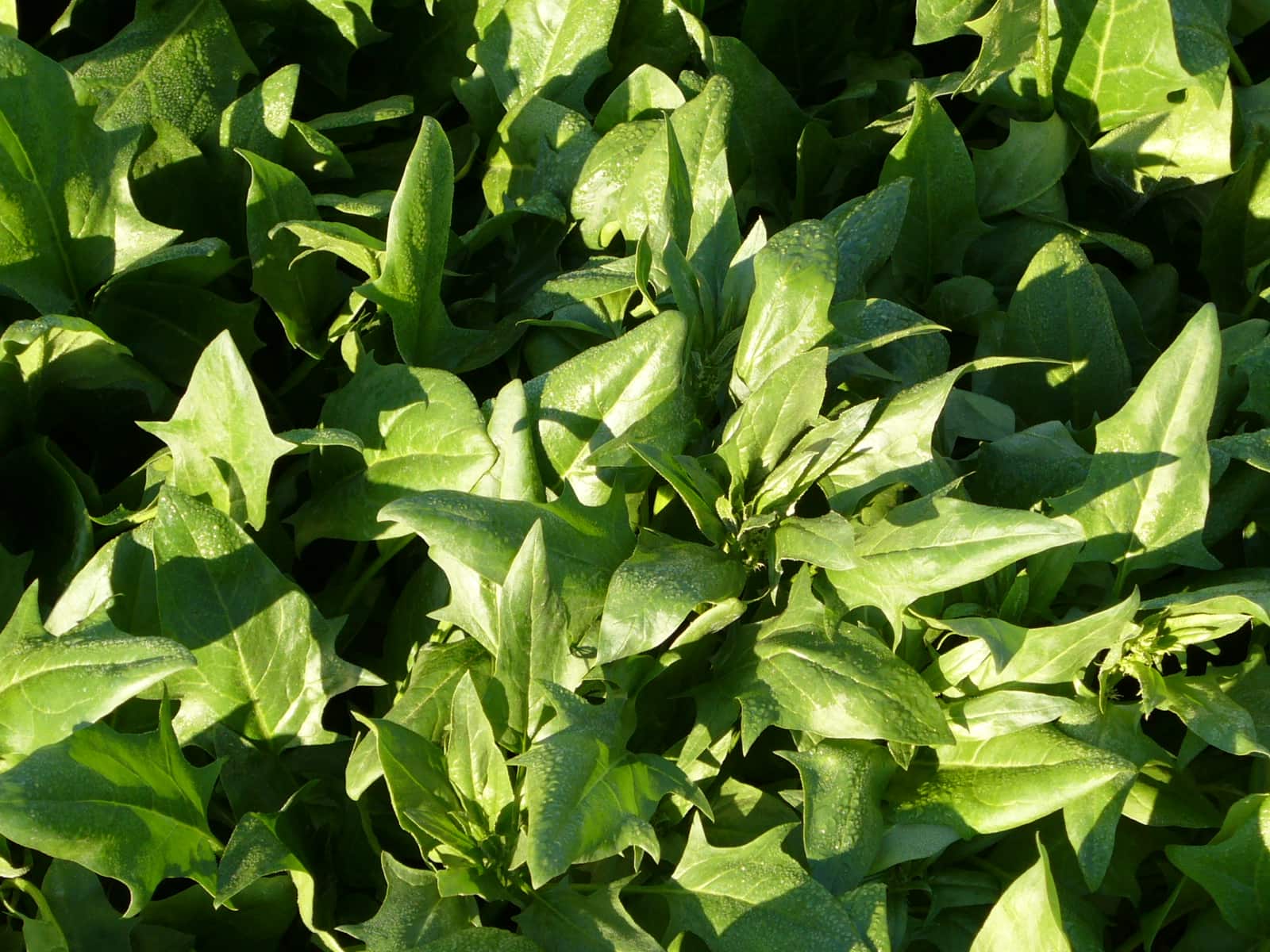
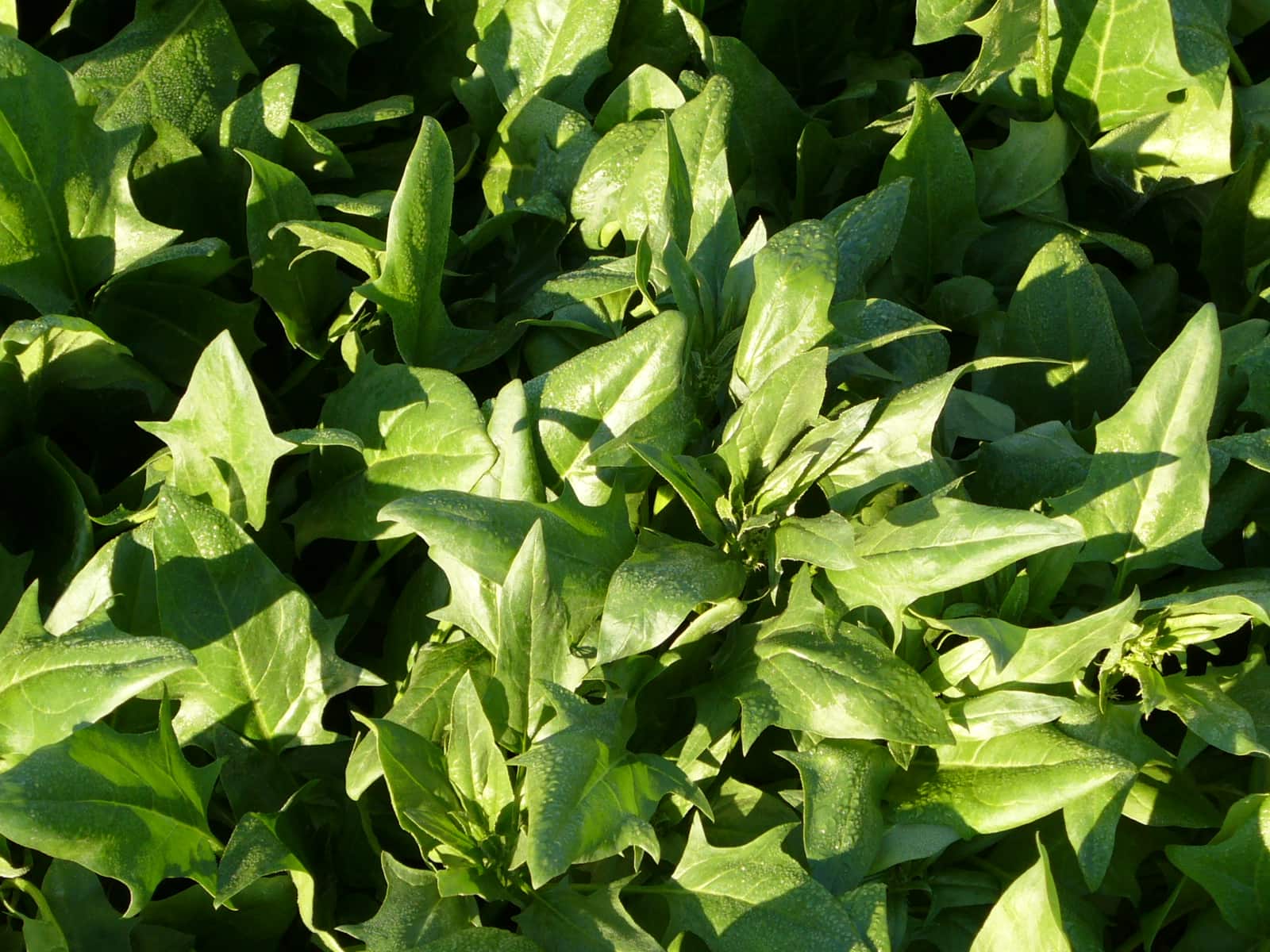
Not a crop for this region
True spinach is a cool season crop that bolts quickly in warm weather and long days. Indian guides place it in the hills and in the northern plains in winter; winters here stay too warm for it.3,4
Where it grows nearest
Central plateau: Madhya Pradesh, Chhattisgarh, Vidarbha
Sow Late October to November
See the Central plateau guideArid west: Rajasthan, Kutch, north Gujarat
Sow Late October to November
See the Arid west guide
Across India
When to sow it
Twelve growing regions, January to December. Your region comes first.
Not suited here
- Sow
- Nursery
- Transplant
- Under cover
- Today
- Not suited here
Compare all 12 regionsShow fewer regions
See the dates as a table
| Region | Sow | Nursery | Transplant | Harvest |
|---|---|---|---|---|
| South interior | Not suited here | |||
| Temperate Himalaya | September to OctoberMarch to June | |||
| Cold desert | April to May, after the snow melts | Under cover: Early October | Under cover: Mid to late October | |
| Sub-tropical foothills | August to December | |||
| North-west plains | October to November (November preferred) | |||
| Gangetic plains | October to November (November preferred) | |||
| North-east hills and valleys | September to October | |||
| Arid west | Late October to November | |||
| Central plateau | Late October to November | |||
| Deccan plateau | Not suited here | |||
| West coast | Not suited here | |||
| East coast | Not suited here | |||
What it needs
Soil, sun and warmth
Soil pH1,4
6 to 7.5
Grows on many soils. Well drained loam or sandy loam suits it more than heavy soil. It is moderately tolerant of salt and responds well to farmyard manure.
SunlightNo published guide covers this for the South interior, so this is an AI suggestion. Check it with local advice before you rely on it.
Full sun in the cool months. Late in the season, when days lengthen and warm up, light shade can slow bolting.
Temperature3,1
Grows best at 15.5 to 18.3 °C
Takes hard frost.
Monthly temperatures for the South interior aren't in the library yet.
Good neighbours6
Seed and the season's end
Saving seed1,4
Sow the seed crop in November in the plains, in rows 60 cm apart, and thin to 10 cm. Keep it at least 1,000 m from other spinach (1,600 m for foundation seed), as wind carries the pollen. Take one leaf cutting, then leave the crop to flower.
When the seed is ready
Seed ripens unevenly, about 120 to 150 days after sowing, so it is gathered in about three pickings once the plants dry.
Cleaning the seed
Pull out off-types, early bolters and the small extreme male plants before and during flowering. Thresh the dry plants by beating with sticks and clean the seed by winnowing.
Dry the seed well to a safe moisture level before packing it.
After the last picking6,4Part of this comes from the sources cited. The rest is an AI suggestion.
Clear and destroy crop debris. After a seed crop, work the residues into the soil and plough in volunteer plants to cut down leaf spot carry-over.
Rotation
Rotate with crops that do not host spinach pests and diseases, such as cereals, peas or beans. Being short, it fits between longer crops in a rice and wheat or okra and bean system.
Sources
Where this comes from
Our team has checked this guide against the sources at the end of the page.Reviewed by our team on 13 November 2026.
These published guides are the sources. Where none of them covers a detail for this region, the page shows an AI suggestion and labels it.
- Package of Practices for Vegetable Crops 2020 (Spinach; cropping systems; protected cultivation)Directorate of Extension, Sher-e-Kashmir University of Agricultural Sciences and Technology of Jammu (SKUAST-Jammu)Read the source
- Package of Practices for Vegetable Crops 2016 (Spinach)Directorate of Extension, Sher-e-Kashmir University of Agricultural Sciences and Technology of Jammu (SKUAST-Jammu)Read the source
- Production Technology of Vegetables and Flowers (VSF-231), Part I: Vegetable production (Leafy vegetables: beet leaf and spinach)CSK Himachal Pradesh Krishi Vishvavidyalaya, Palampur (Department of Vegetable Science and Floriculture)Read the source
- Pusa Vilayati Palak: a highly nutritious spinach variety (Indian Horticulture 65(4), July to August 2020), with its package of practicesICAR-Indian Agricultural Research Institute, New Delhi (Division of Vegetable Science), in Indian Horticulture, ICARRead the source
- AESA based IPM package: SpinachNational Institute of Plant Health Management and Directorate of Plant Protection, Quarantine and Storage, Government of IndiaRead the source
AI Farm Manager · In development
Plan this crop on your land
AI Farm Manager will turn guides like this one into a plan for your own plot. It doesn't make plans yet.