
Growing strawberry
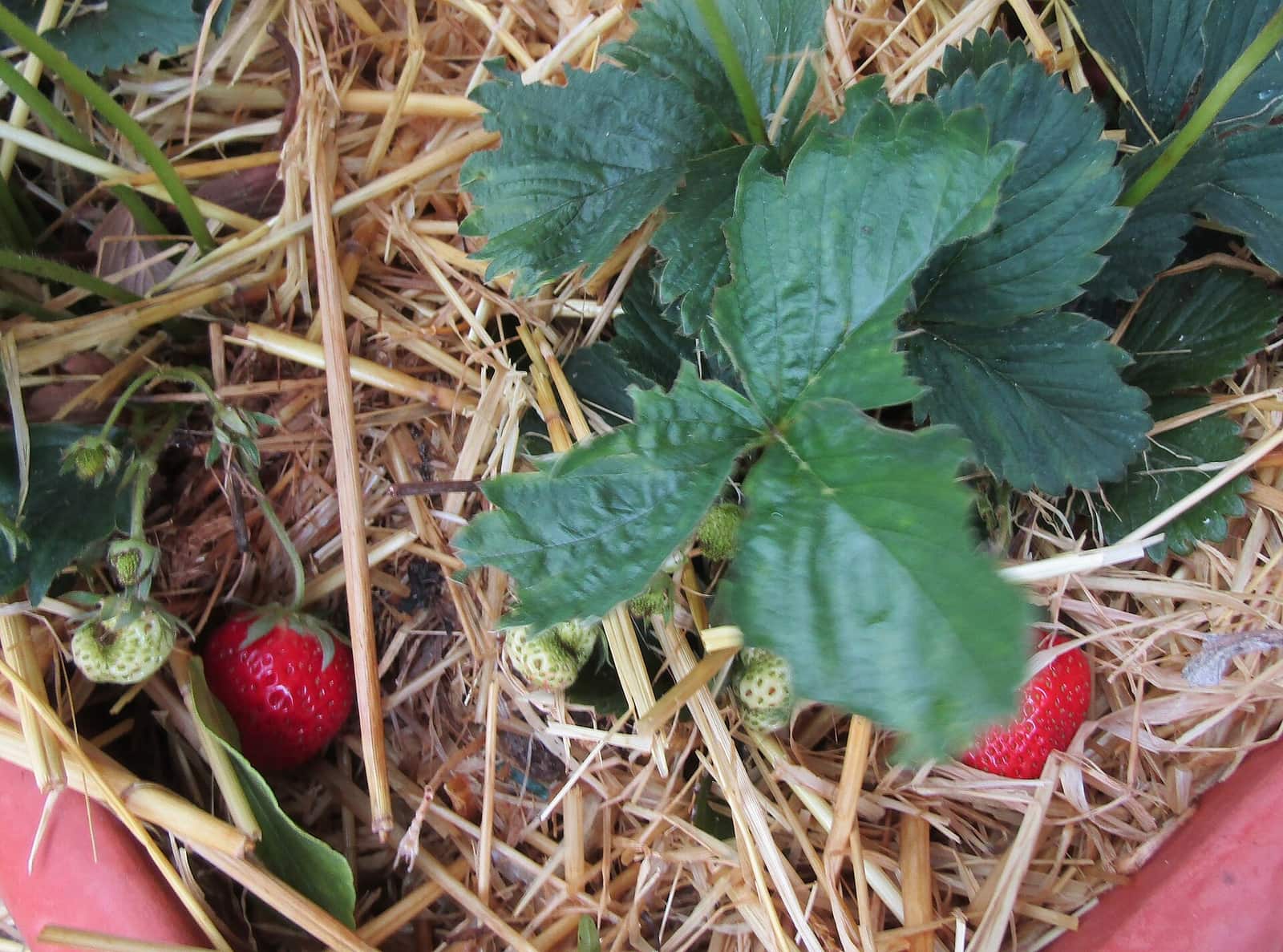
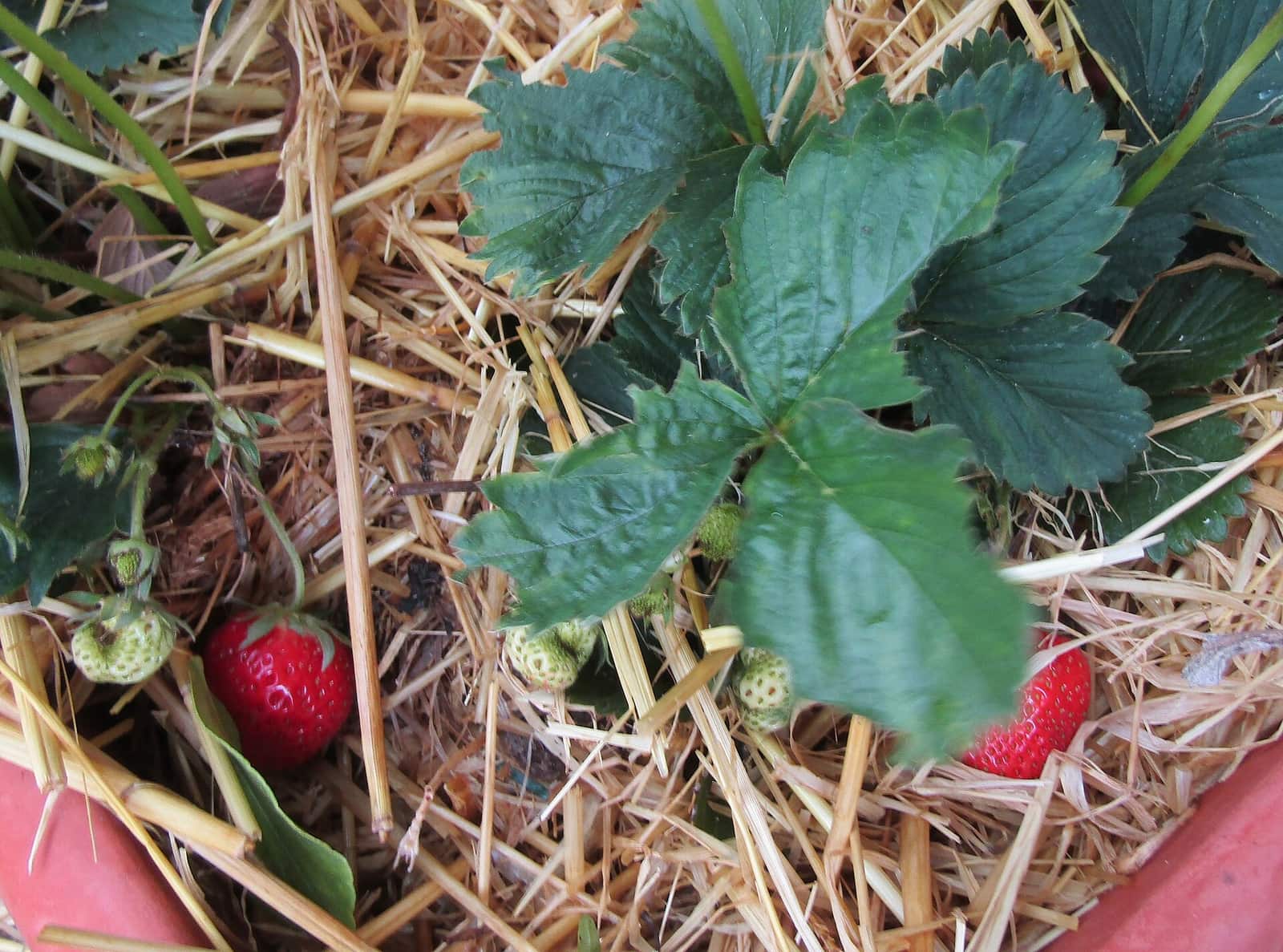
Fragaria × ananassa · also called strawberryStrawberry is a low, herbaceous fruit plant raised from runners, easy to grow in beds and pots. In the hills it is a perennial; in the plains it is grown as a winter crop, planted in autumn and picked in late winter and spring.
Temperate Himalaya: Kashmir valley, Shimla, Kullu, Uttarakhand hills
At a glance
Strawberry in the Temperate Himalaya
Planted in August and September, picked from April to June1
Runners planted in late summer or autumn give their first berries the next spring. In the hills a bed is usually kept for two to three years before replanting with fresh runners.
No published guide covers this for the Temperate Himalaya, so this is an AI suggestion. Check it with local advice before you rely on it.August to September1
Across India
When to sow it
Twelve growing regions, January to December. Your region comes first.
Too late this season
The window here was August to September. The next one opens in August.
- Transplant
- Harvest
- Under cover
- Today
- Not suited here
Compare all 12 regionsShow fewer regions
See the dates as a table
| Region | Sow | Nursery | Transplant | Harvest |
|---|---|---|---|---|
| Temperate Himalaya | August to September | April to June | ||
| Cold desertUnder cover only | Under cover: April to May | Under cover: July to September | ||
| Sub-tropical foothills | October to November | February to April | ||
| North-west plains | Mid-October | Mid-January to March (Winter Dawn)Early February to early April (Chandler) | ||
| Gangetic plains | October to mid-November | January to March | ||
| North-east hills and valleys | Mid-September to October | February to April | ||
| Arid west | October | January to March | ||
| Central plateau | October | January to March | ||
| Deccan plateau | Second half of October | December to April | ||
| South interior | September to November | January to May | ||
| West coast | Not suited here | |||
| East coast | Not suited here | |||
From seed to harvest
One season, day by day
Days from sowing
Before sowing
FYM
250 to 300 q per ha · Mix into the soil before planting · Before planting
Well-decomposed FYM or poultry manure1
72 tonnes FYM per ha, or 18 tonnes poultry manure per ha · In place of chemical fertilisers
Strawberry needs frequent but light watering. Water just after planting the runners, then every 8 to 10 days in winter and every 3 to 4 days in summer, depending on the soil.1
What it needs
Soil, sun and warmth
Soil pH1,2,3
5.8 to 6.5
Well-drained, friable loam or medium sandy loam rich in organic matter, with a subsoil that holds moisture. Most roots stay in the top 15 to 20 cm. Heavy, clayey and waterlogged soils do not suit it. Gentle slopes suit it well.
SunlightNo published guide covers this for the Temperate Himalaya, so this is an AI suggestion. Check it with local advice before you rely on it.
At least 6 hours a day
Full sun. Give beds and pots at least six hours of direct sun a day.
Temperature2,1Part of this comes from the sources cited. The rest is an AI suggestion.
Grows best at 15 to 26 °C
Takes light frost.
Monthly temperatures for the Temperate Himalaya aren't in the library yet.
Water and feeding
Watering1
Strawberry needs frequent but light watering. Water just after planting the runners, then every 8 to 10 days in winter and every 3 to 4 days in summer, depending on the soil.
Weeding1
Plant in weed-free soil. Mulch smothers weeds; black polythene mulch keeps them down most.
| When | What | How much | How |
|---|---|---|---|
| Before planting | FYM | 250 to 300 q per ha | Mix into the soil before planting |
| In place of chemical fertilisers | Well-decomposed FYM or poultry manure | 72 tonnes FYM per ha, or 18 tonnes poultry manure per ha |
Varieties and yield
250 to 300 quintals a hectare
Yields vary with the plot, the seed and the season.
Good neighboursNo published guide covers this for the Temperate Himalaya, so this is an AI suggestion. Check it with local advice before you rely on it.
Organic and cultural controls only.
White grubs and cutworms
Signs
Grubs in the soil eat the roots and crowns; cutworms cut young plants at soil level.
Prevention
- Plant on land free of white grubs and cutworms
Hairy caterpillars
Signs
Caterpillars feed on the leaves.
What to do
- Pick off caterpillars and egg masses by hand
White-centred purple leaf spot
Signs
Small round purple spots on the upper side of leaves, sometimes on stalks and fruit. The centre turns white inside a dark purple ring.
Prevention
- Plant in well-drained, weed-free soil
Yellow leaf spot
Signs
Tiny purplish spots on leaves from July to September that grow a yellow-brown centre inside a purple ring, then become blotches; the dead patch can fall out and leave holes.
Prevention
- Plant in well-drained, weed-free soil
Leaf scorch
Signs
Many purple spots with a reddish-brown or pinkish halo on the upper side of leaves in April or May, and reddish-brown streaks on leaf and flower stalks and runners.
Prevention
- Plant healthy runners from a clean source
- Do not plant in waterlogged soil
- Do not plant in soil known to carry the disease
Leaf blight and dry stalk
Signs
Round spots with an ashy grey centre and purple edge that become irregular; leaves pucker, curl and fall. Runners and stalks turn dark brown or black.
Prevention
- Plant healthy runners from a clean source
- Do not plant in waterlogged soil
- Do not plant in soil known to carry the disease
Black root rot
Signs
Patchy, uneven beds with stunted and dying plants. Roots turn brown, then black; leaves stay small and yellow and berries stay small or wither.
Prevention
- Do not plant where strawberry grew recently
- Plant healthy runners from a clean source
- Do not plant in waterlogged soil
Seed and the season's end
Saving seed1,2Part of this comes from the sources cited. The rest is an AI suggestion.
Strawberry is not grown from saved seed: seedlings do not come true. Keep healthy mother plants and root their runners instead.
When the seed is ready
A runner is ready to lift when it has its own roots and two or three leaves.
Plant runners soon after lifting. Raised runners can be kept in polybags until planting.
After the last pickingNo published guide covers this for the Temperate Himalaya, so this is an AI suggestion. Check it with local advice before you rely on it.
After the last picking, cut back old leaves and keep the healthy crowns. Replant the bed with fresh runners every two to three years, on land where strawberry has not grown recently.
In the plains, pull out the plants after the last picking, since they do not survive the summer. Compost healthy plants; burn or bin plants with root rot.
Rotation
Do not replant strawberry on land where it grew recently: black root rot builds up in the soil.
Sources
Where this comes from
Our team has checked this guide against the sources at the end of the page.Reviewed by our team on 13 November 2026.
These published guides are the sources. Where none of them covers a detail for this region, the page shows an AI suggestion and labels it.
- Package of practices for fruit crops 2020: strawberryDirectorate of Extension, SKUAST-JammuRead the source
- Strawberry (crop report)National Horticulture BoardRead the source
AI Farm Manager · In development
Plan this crop on your land
AI Farm Manager will turn guides like this one into a plan for your own plot. It doesn't make plans yet.