
Growing wheat
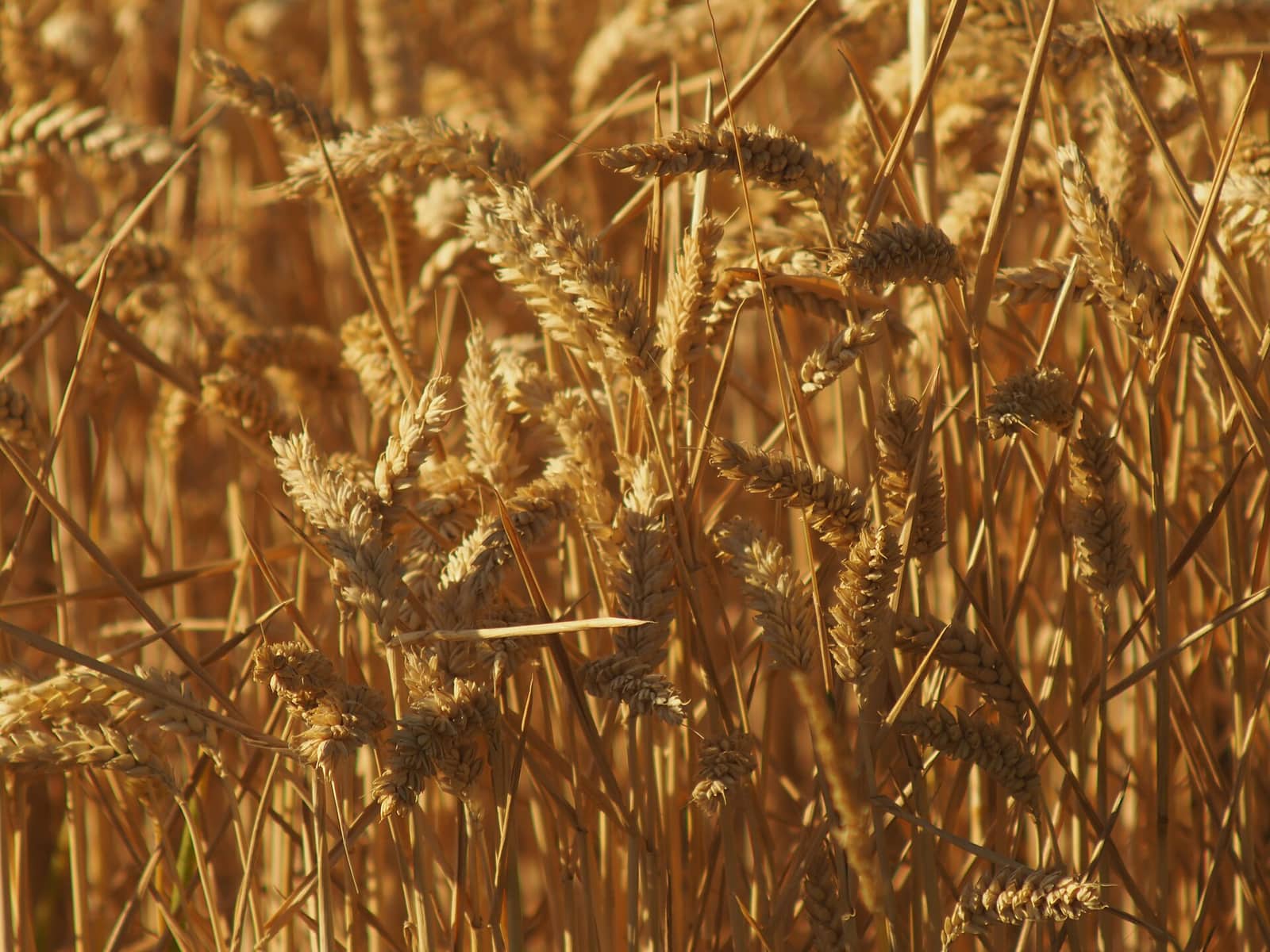
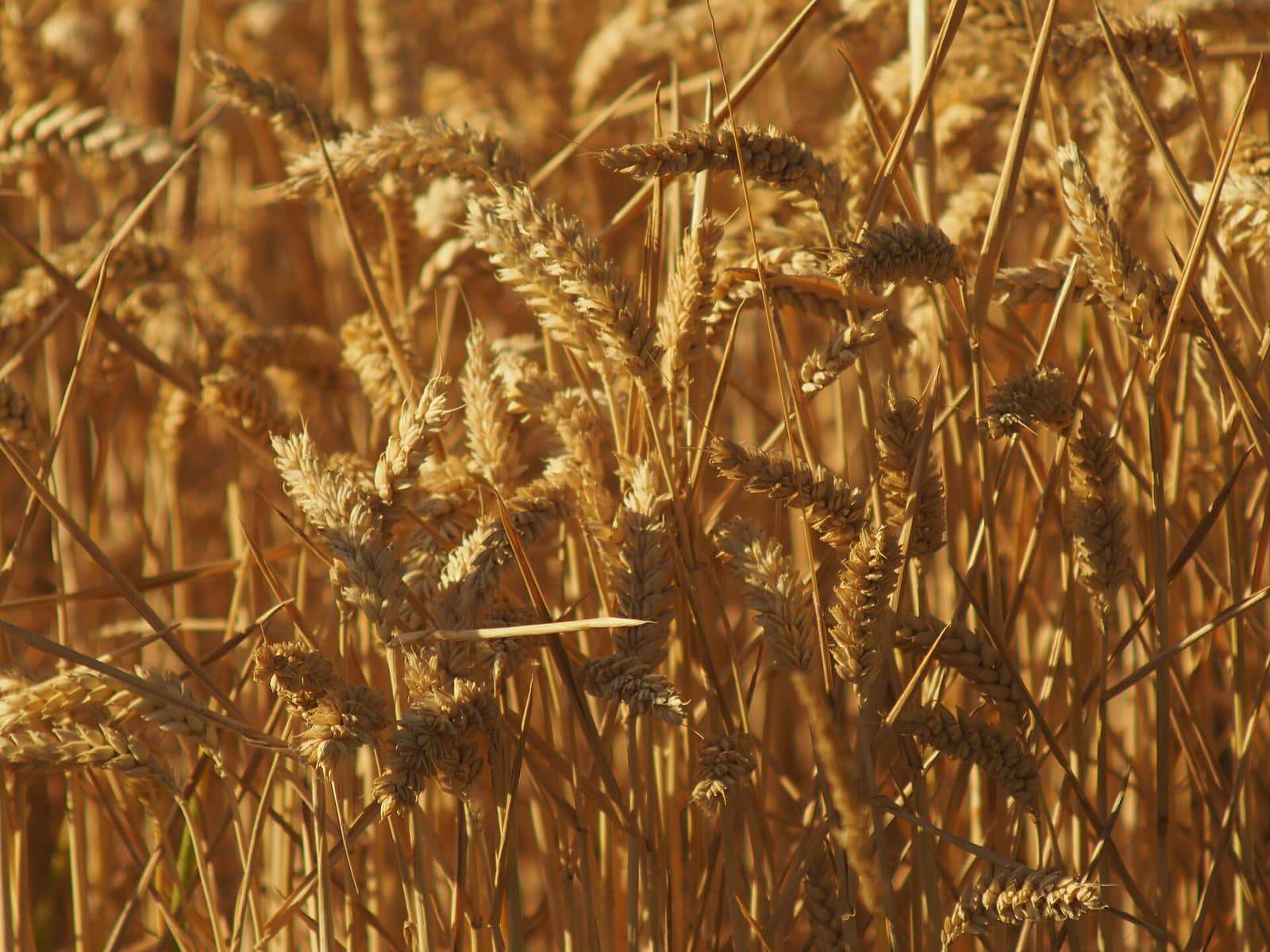
Triticum aestivum · also called gehun, kanak (Kashmiri)The main rabi grain of north India, sown in autumn and harvested in spring. It wants cool, moist weather while it grows and dry, warm weather as the grain ripens.
Deccan plateau: interior Maharashtra, Telangana, north Karnataka
At a glance
Wheat in the Deccan plateau
Rabi. Sown in the first half of November, late crops at the turn of November and December; cut in February and March.3
Part of this comes from the sources cited. The rest is an AI suggestion.About 100 to 120 days; the warm spring ends the crop early.
No published guide covers this for the Deccan plateau, so this is an AI suggestion. Check it with local advice before you rely on it.1 to 15 November, irrigated timely sown3
Part of this comes from the sources cited. The rest is an AI suggestion.
Across India
When to sow it
Twelve growing regions, January to December. Your region comes first.
Sow now
The window here is 1 to 15 November, irrigated timely sown.
- Sow
- Harvest
- Today
- Not suited here
Compare all 12 regionsShow fewer regions
See the dates as a table
| Region | Sow | Nursery | Transplant | Harvest |
|---|---|---|---|---|
| Deccan plateau | 1 to 15 November, irrigated timely sownLast week of November to first week of December, late sown | Late February to March | ||
| Temperate Himalaya | Late October to mid-November (Kashmir valley, AI suggestion)1 to 15 November, irrigated timely sown (Northern Hills Zone, national guide)Second to fourth week of November (temperate and mid hills of Jammu)Last week of October to end of November, rainfed (mid hills of Jammu) | June to early July | ||
| Cold desert | April to early May | Late August to September | ||
| Sub-tropical foothills | 1 to 25 November, timely sown20 November to 25 December, late sown26 December to 15 January, very late sown | April to early May | ||
| North-west plains | First fortnight of November (the optimum)Fourth week of October to fourth week of November (most timely sown varieties)Fourth week of November to fourth week of December (late sown varieties)First fortnight of January (PBW 757 only) | April | ||
| Gangetic plains | 10 to 20 November, irrigated timely sownAfter 25 November, late sown (end of the window is an AI suggestion) | Late March to April | ||
| North-east hills and valleys | 10 to 20 November (Assam and the plains of the north-east)1 to 15 November (hills of the north-east, Sikkim and Darjeeling) | Late March to April | ||
| Arid west | 1 to 15 November, irrigated timely sownAfter 25 November, late sown (end of the window is an AI suggestion) | Late March to mid-April | ||
| Central plateau | 10 to 20 November, irrigated timely sown1 to 15 December, irrigated late sown | March to mid-April | ||
| South interior | Mid-October to first week of November (Tamil Nadu)1 to 15 November, irrigated (Karnataka plains) | Mid-January to February | ||
| West coast | Not suited here | |||
| East coast | Not suited here | |||
From seed to harvest
One season, day by day
Days from sowing
Before sowing
Field preparation
Well-rotted farmyard manure or compost
About 10 t per hectare (AI suggestion)
Spread and plough in before the last harrowing
No published guide covers this for the Deccan plateau, so this is an AI suggestion. Check it with local advice before you rely on it.
Day 0
Sow
Day 100 to 120
Last picking
No published guide covers this for the Deccan plateau, so this is an AI suggestion. Check it with local advice before you rely on it.
Before sowing
Well-rotted farmyard manure or compostNo published guide covers this for the Deccan plateau, so this is an AI suggestion. Check it with local advice before you rely on it.
About 10 t per hectare (AI suggestion) · Spread and plough in before the last harrowing · Field preparation
Day 0
Sow
Day 5 to 10
Seeds come up1,2,3Part of this comes from the sources cited. The rest is an AI suggestion.
Day 100 to 120
Last pickingNo published guide covers this for the Deccan plateau, so this is an AI suggestion. Check it with local advice before you rely on it.
Four to six irrigations are enough for the season. Crown root initiation (about 21 days after sowing) and flowering suffer most from dry soil. With water for fewer irrigations, give them at crown root initiation first, then at jointing, boot, milk and dough stages. On very light or uneven land, sprinklers or raised beds save water.3
What it needs
Soil, sun and warmth
Soil pH1,2Part of this comes from the sources cited. The rest is an AI suggestion.
6 to 8
Grows on most soils. Avoid badly degraded, alkaline or waterlogged land; soils that hold water well but drain freely suit it. Durum wheat does better on medium to heavy soils.
SunlightNo published guide covers this for the Deccan plateau, so this is an AI suggestion. Check it with local advice before you rely on it.
At least 6 hours a day
Full sun in open fields.
Temperature2Part of this comes from the sources cited. The rest is an AI suggestion.
Grows best at 15 to 22 °C
Takes hard frost.
Monthly temperatures for the Deccan plateau aren't in the library yet.
Water and feeding
Watering3
Four to six irrigations are enough for the season. Crown root initiation (about 21 days after sowing) and flowering suffer most from dry soil. With water for fewer irrigations, give them at crown root initiation first, then at jointing, boot, milk and dough stages. On very light or uneven land, sprinklers or raised beds save water.
Crown root initiation about 21 days, first node about 45, jointing about 65, boot about 85, milk about 105 and dough about 120 days after sowing.
WeedingNo published guide covers this for the Deccan plateau, so this is an AI suggestion. Check it with local advice before you rely on it.
Hoe or hand weed once or twice in the first five to six weeks, before the crop closes over the rows. Pull any weeds that escape before they set seed.
| When | What | How much | How |
|---|---|---|---|
| Field preparation | Well-rotted farmyard manure or compost | About 10 t per hectare (AI suggestion) | Spread and plough in before the last harrowing |
Varieties and yield
40 to 45.7 quintals a hectare
Yields vary with the plot, the seed and the season.
MACS 6222, Raj 4037, GW 322, HUW 510
Peninsular Zone (Maharashtra, Karnataka), timely sown, rust resistant (ICAR 2014)
MACS 2971
Dicoccum (khapli) wheat (ICAR 2014)
AKAW 4627, HD 2932, HD 2833, Raj 4083, PBW 533
Peninsular Zone, late sown (ICAR 2014)
Good neighbours1
Pests and diseases3Part of this comes from the sources cited. The rest is an AI suggestion.
Organic and cultural controls only.
Termites
Signs
Plants dry up and pull out easily, soon after sowing or near maturity.
What to do
- Never use raw, unrotted manure
- Break up termite mounds in and around the field
- Irrigate affected patches
Aphids
Signs
Small green insects cluster on leaves and ears and suck the sap; leaves lose colour.
What to do
- Leave ladybird beetles and other natural enemies alone
- Check the field borders first, where aphids usually start
Stem (black) rust and leaf (brown) rust
Signs
Reddish-brown to dark pustules on stems and leaves.
Prevention
- Grow rust-resistant varieties recommended for the Peninsular Zone
Seed and the season's end
Saving seed1,2,3
Start from good foundation or certified seed. Pull out off-type and diseased plants several times through the season and keep the seed plot's harvest separate.
When the seed is ready
Harvest when the ears are fully ripe and golden but before they are dead ripe, so the grain does not shatter.
Dry the grain well before storing, or moulds and heat spoil it: Punjab says to 10 per cent moisture, the national guide to below 12 per cent. Keep seed lots apart at threshing and in store.
After the last picking3
Keep crop residues on the surface or work them in rather than burning them. A pulse or green manure crop in the rotation helps the soil.
Do not burn the straw. Work the stubble and residues back into the soil after harvest to hold up soil organic matter, or bale the straw as fodder.
Rotation
Usually follows rice, maize, cotton, millets or pulses. Common sequences are rice then wheat then summer moong, maize then wheat, and green manure then rice then wheat.
Sources
Where this comes from
Our team has checked this guide against the sources at the end of the page.Reviewed by our team on 13 November 2026.
These published guides are the sources. Where none of them covers a detail for this region, the page shows an AI suggestion and labels it.
- Package of Practices for Rabi Crops 2020: WheatDirectorate of Extension, SKUAST-JammuRead the source
- Wheat Cultivation in India: pocket guide (Extension Bulletin 52)ICAR-Directorate of Wheat Research, Karnal (now ICAR-IIWBR)Read the source
AI Farm Manager · In development
Plan this crop on your land
AI Farm Manager will turn guides like this one into a plan for your own plot. It doesn't make plans yet.