
Growing wheat
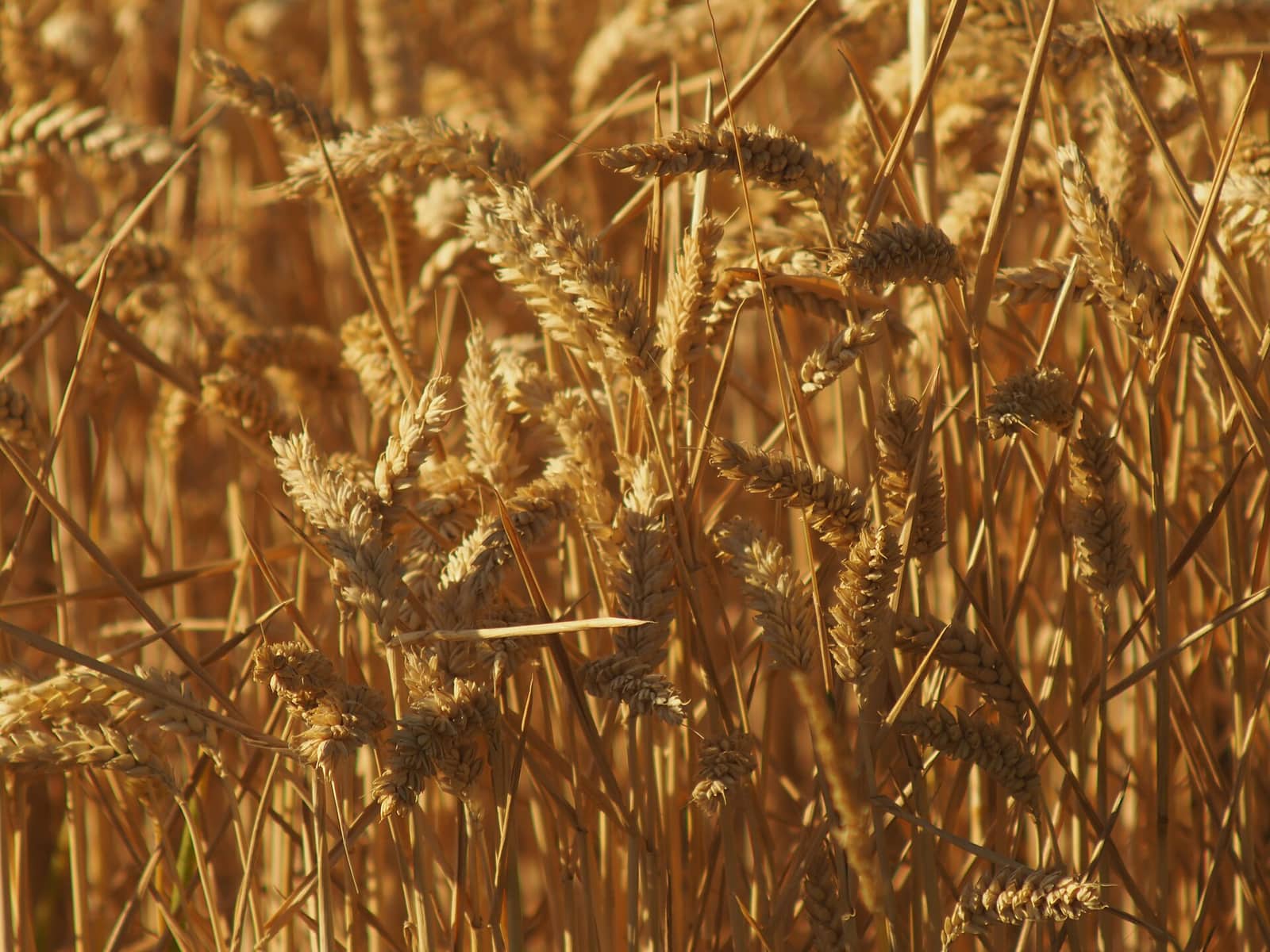
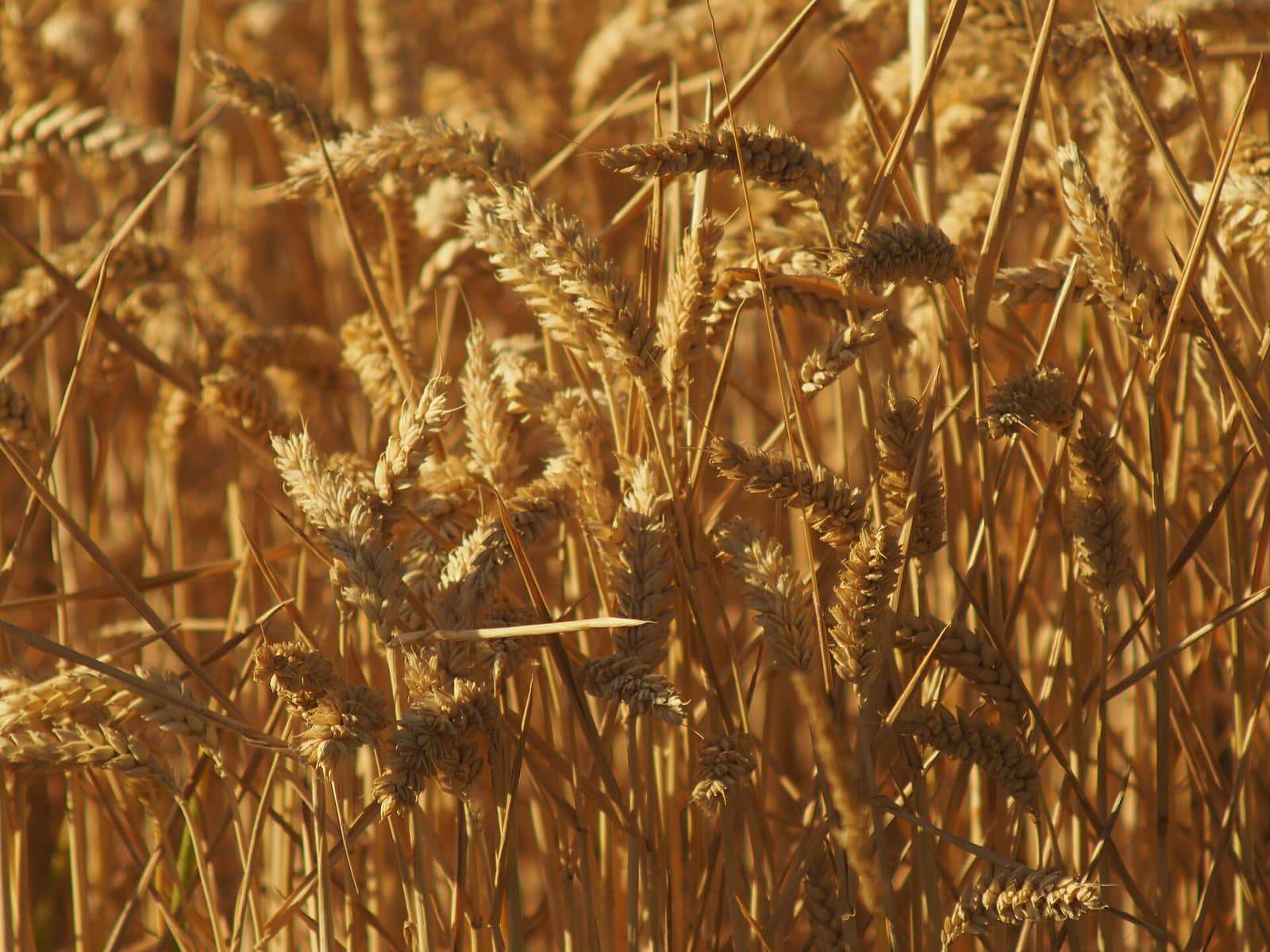
Triticum aestivum · also called gehun, kanak (Kashmiri)The main rabi grain of north India, sown in autumn and harvested in spring. It wants cool, moist weather while it grows and dry, warm weather as the grain ripens.
Sub-tropical foothills: Jammu, Kangra, Dehradun
At a glance
Wheat in the Sub-tropical foothills
Rabi. Sown from November to mid-January depending on variety and water, and cut in April and May.1
Part of this comes from the sources cited. The rest is an AI suggestion.Timely sown varieties mature in 150 to 160 days. Late sown ones take 130 to 140 days and very late sown ones 120 to 130 days.1
1 to 25 November, timely sown1
Part of this comes from the sources cited. The rest is an AI suggestion.
Across India
When to sow it
Twelve growing regions, January to December. Your region comes first.
Sow now
The window here is 1 to 25 November, timely sown.
- Sow
- Harvest
- Today
- Not suited here
Compare all 12 regionsShow fewer regions
See the dates as a table
| Region | Sow | Nursery | Transplant | Harvest |
|---|---|---|---|---|
| Sub-tropical foothills | 1 to 25 November, timely sown20 November to 25 December, late sown26 December to 15 January, very late sown | April to early May | ||
| Temperate Himalaya | Late October to mid-November (Kashmir valley, AI suggestion)1 to 15 November, irrigated timely sown (Northern Hills Zone, national guide)Second to fourth week of November (temperate and mid hills of Jammu)Last week of October to end of November, rainfed (mid hills of Jammu) | June to early July | ||
| Cold desert | April to early May | Late August to September | ||
| North-west plains | First fortnight of November (the optimum)Fourth week of October to fourth week of November (most timely sown varieties)Fourth week of November to fourth week of December (late sown varieties)First fortnight of January (PBW 757 only) | April | ||
| Gangetic plains | 10 to 20 November, irrigated timely sownAfter 25 November, late sown (end of the window is an AI suggestion) | Late March to April | ||
| North-east hills and valleys | 10 to 20 November (Assam and the plains of the north-east)1 to 15 November (hills of the north-east, Sikkim and Darjeeling) | Late March to April | ||
| Arid west | 1 to 15 November, irrigated timely sownAfter 25 November, late sown (end of the window is an AI suggestion) | Late March to mid-April | ||
| Central plateau | 10 to 20 November, irrigated timely sown1 to 15 December, irrigated late sown | March to mid-April | ||
| Deccan plateau | 1 to 15 November, irrigated timely sownLast week of November to first week of December, late sown | Late February to March | ||
| South interior | Mid-October to first week of November (Tamil Nadu)1 to 15 November, irrigated (Karnataka plains) | Mid-January to February | ||
| West coast | Not suited here | |||
| East coast | Not suited here | |||
From seed to harvest
One season, day by day
Days from sowing
Before sowing
First ploughing after rice
Farmyard manure
2 t per acre
Spread at the first ploughing to help the rice stubble break down
Field preparation
Chopped rice residue, with Trichoderma viride culture mixed into farmyard manure
Residue at 2 t per acre; culture at 10 g per kg of farmyard manure
Work into the soil before sowing
Day 0
Sow
Before sowing
Farmyard manure
2 t per acre · Spread at the first ploughing to help the rice stubble break down · First ploughing after rice
Chopped rice residue, with Trichoderma viride culture mixed into farmyard manure1
Residue at 2 t per acre; culture at 10 g per kg of farmyard manure · Work into the soil before sowing · Field preparation
Day 0
Sow
Day 5 to 10
Seeds come up1,2,3Part of this comes from the sources cited. The rest is an AI suggestion.
Day 150 to 160
Last picking1
Water every 20 to 30 days, more at crown root initiation and milk stage.1
What it needs
Soil, sun and warmth
Soil pH1,2Part of this comes from the sources cited. The rest is an AI suggestion.
6 to 8
Grows on most soils. Avoid badly degraded, alkaline or waterlogged land; soils that hold water well but drain freely suit it. Durum wheat does better on medium to heavy soils.
SunlightNo published guide covers this for the Sub-tropical foothills, so this is an AI suggestion. Check it with local advice before you rely on it.
At least 6 hours a day
Full sun in open fields.
Temperature2Part of this comes from the sources cited. The rest is an AI suggestion.
Grows best at 15 to 22 °C
Takes hard frost.
Monthly temperatures for the Sub-tropical foothills aren't in the library yet.
Water and feeding
Watering1
Give a pre-sowing irrigation if the top 10 cm is dry. The first irrigation goes at crown root initiation, about three weeks after sowing (a month on heavy rice soils), then every 20 to 30 days as soil and weather need. Keep moisture through tillering, jointing, flowering, milk and dough stages. Where the water table is 1.2 to 1.5 m deep, two irrigations are enough; where it is under 90 cm, do not irrigate.
Weeding1
Hoe about a month after sowing. A bar harrow run after winter rain on unirrigated fields, or after the first irrigation elsewhere, also helps in the early weeks.
| When | What | How much | How |
|---|---|---|---|
| First ploughing after rice | Farmyard manure | 2 t per acre | Spread at the first ploughing to help the rice stubble break down |
| Field preparation | Chopped rice residue, with Trichoderma viride culture mixed into farmyard manure | Residue at 2 t per acre; culture at 10 g per kg of farmyard manure | Work into the soil before sowing |
Varieties and yield
35 to 50 quintals a hectare
Yields vary with the plot, the seed and the season.
JAUW 584, HD 3226, DBW 222, DBW 187, WB-2, HD 3086, DBW 88
Up to 800 m, irrigated, timely sown 1 to 25 November (SKUAST-Jammu)
PBW 752, DBW 173, WH 1124, DBW 90, HD 3059
Late sown, 20 November to 25 December (SKUAST-Jammu)
PBW 757, WH 1021
Very late sown, 26 December to 15 January (SKUAST-Jammu)
PBW 660, PBW 664, WH 1080
Rainfed (SKUAST-Jammu)
HD 3237, HI 1620, WH 1142, HD 3043
Restricted irrigation (SKUAST-Jammu)
Good neighbours1
Organic and cultural controls only.
Termites
Signs
Plants dry up completely, pull out easily and fall over in the wind, soon after sowing and near maturity.
What to do
- Never use raw, unrotted farmyard manure
- Destroy termite mounds in and around the field
Field rats
What to do
- Trim the bunds so rats have less cover
- Break open old burrows
- Set local traps, as a village-wide effort on the same days
Army worm
Signs
Green or dusty brown striped caterpillars eat the leaves at night and hide by day.
What to do
- Collect the caterpillars by hand and kill them
- Protect natural enemies such as Cotesia and Trichogramma wasps and spiders
Yellow rust (stripe rust)
Signs
Small yellow pustules in lines along the leaves, forming stripes that later turn black; sometimes on sheaths and ears.
Prevention
- Grow rust-resistant varieties and sow on time
- Keep the field clean and do not overdo nitrogen
- Watch early-sown fields under poplar trees closely: rust often starts there
Brown rust (leaf rust)
Signs
Round orange-brown pustules, scattered or clustered on the leaves, less often on sheaths and stems.
Prevention
- Grow resistant varieties and sow on time
Loose smut
Signs
The ears turn into a loose, black, powdery mass of spores.
What to do
- Pull out and destroy smutted ears
Prevention
- Sun-treat the seed on a hot day in May or June: soak it in water from about 8 in the morning to noon, then spread it thin on a tarpaulin or plastered floor in full sun until evening, turning it three or four times. Store it dry until sowing.
Flag smut
Signs
Long, narrow grey to black stripes along the leaf veins that split open to show black, sooty spores.
What to do
- Pull out affected plants and destroy them
Prevention
- Avoid late and deep sowing
Karnal bunt
Signs
A few grains in a few ears turn partly into black, sooty powder that smells of rotten fish.
Prevention
- Grow resistant varieties and sow clean seed
- Do not over-irrigate, above all at flowering
Seed and the season's end
Saving seed1,2,3
Start from good foundation or certified seed. Pull out off-type and diseased plants several times through the season and keep the seed plot's harvest separate.
When the seed is ready
Harvest when the ears are fully ripe and golden but before they are dead ripe, so the grain does not shatter.
Dry the grain well before storing, or moulds and heat spoil it: Punjab says to 10 per cent moisture, the national guide to below 12 per cent. Keep seed lots apart at threshing and in store.
After the last picking1
Common sequences are rice then wheat then summer moong or fodder, maize then wheat, pulses then wheat, and a green manure crop before wheat where soil organic carbon is under 0.5 per cent. Work residues back into the soil after harvest.
Do not burn the straw. Work the stubble and residues back into the soil after harvest to hold up soil organic matter, or bale the straw as fodder.
Rotation
Usually follows rice, maize, cotton, millets or pulses. Common sequences are rice then wheat then summer moong, maize then wheat, and green manure then rice then wheat.
Sources
Where this comes from
Our team has checked this guide against the sources at the end of the page.Reviewed by our team on 13 November 2026.
These published guides are the sources. Where none of them covers a detail for this region, the page shows an AI suggestion and labels it.
- Package of Practices for Rabi Crops 2020: WheatDirectorate of Extension, SKUAST-JammuRead the source
- Wheat Cultivation in India: pocket guide (Extension Bulletin 52)ICAR-Directorate of Wheat Research, Karnal (now ICAR-IIWBR)Read the source
AI Farm Manager · In development
Plan this crop on your land
AI Farm Manager will turn guides like this one into a plan for your own plot. It doesn't make plans yet.