
Growing wheat
Triticum aestivum · also called gehun, kanak (Kashmiri)The main rabi grain of north India, sown in autumn and harvested in spring. It wants cool, moist weather while it grows and dry, warm weather as the grain ripens.
West coast: Kerala, Goa, Konkan, coastal Karnataka, south Gujarat
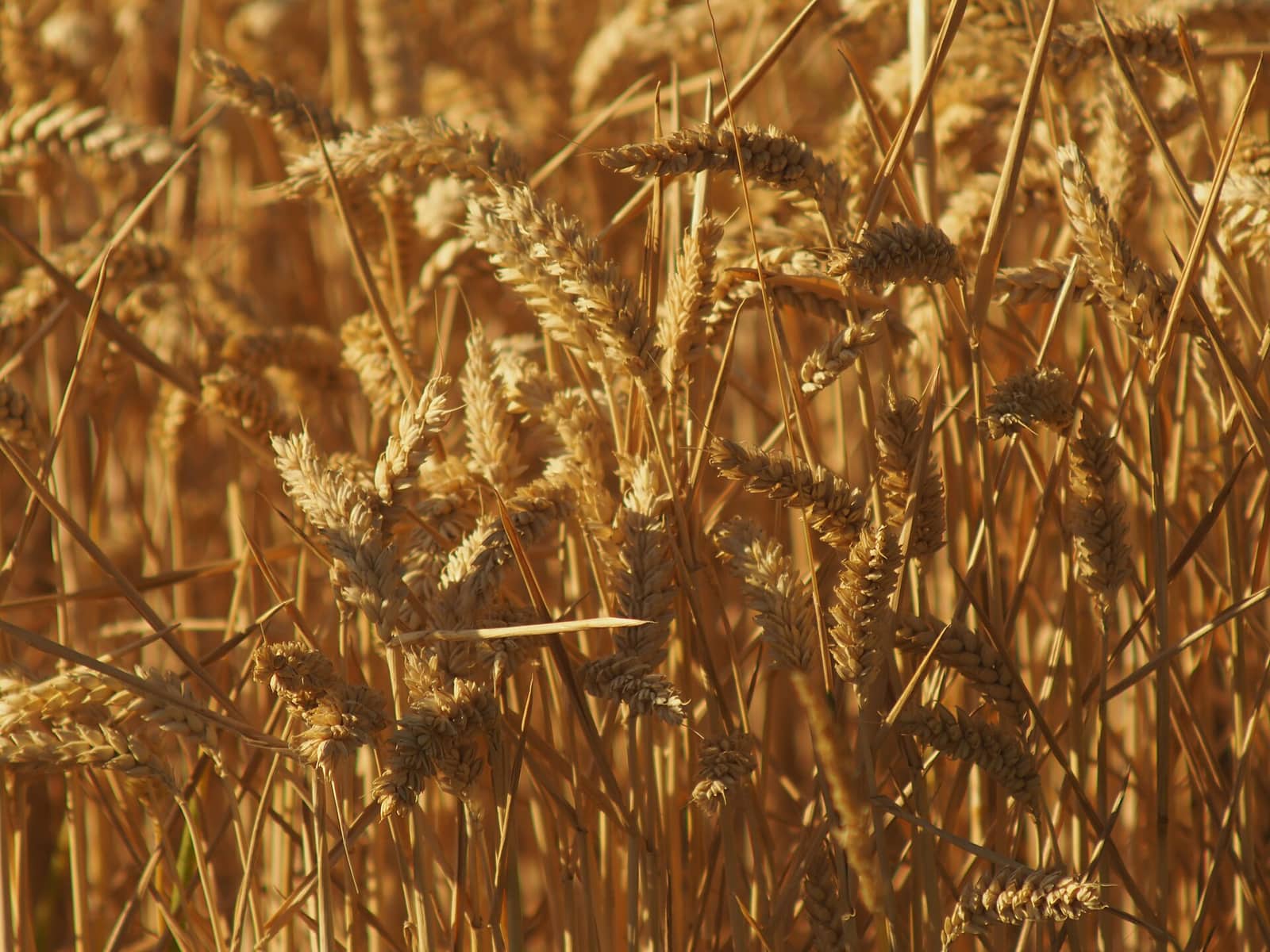
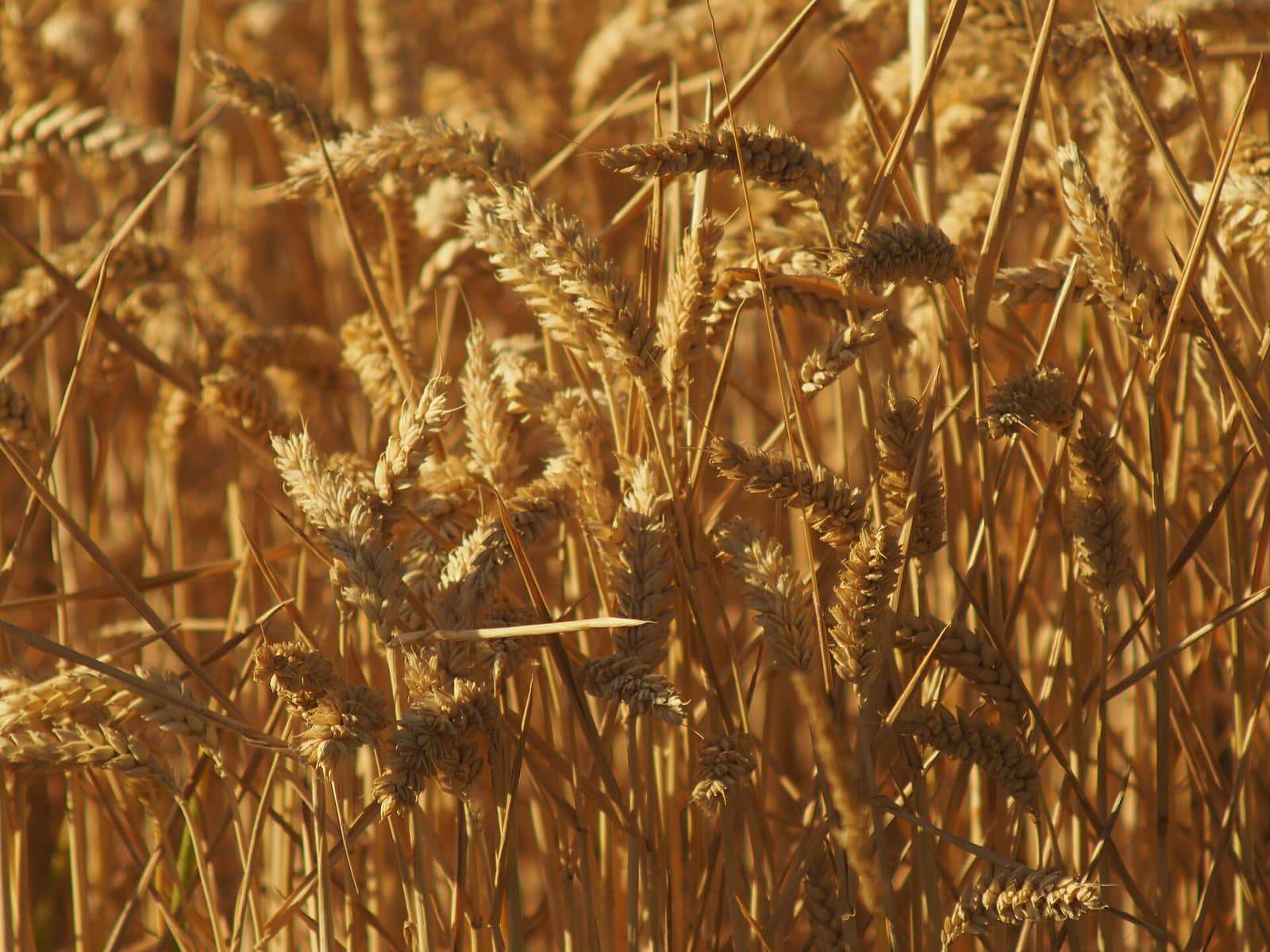
Not a crop for this region
Wheat needs a cool, fairly dry season to grow and ripen. The west coast stays warm and humid through the year, so the crop has no proper cool spell to fill its grain.
Where it grows nearest
South interior: Bengaluru, Mysuru, interior Tamil Nadu
Sow Mid-October to first week of November (Tamil Nadu)
See the South interior guideDeccan plateau: interior Maharashtra, Telangana, north Karnataka
Sow 1 to 15 November, irrigated timely sown
See the Deccan plateau guide
Across India
When to sow it
Twelve growing regions, January to December. Your region comes first.
- Sow
- Harvest
- Today
- Not suited here
Compare all 12 regionsShow fewer regions
See the dates as a table
| Region | Sow | Nursery | Transplant | Harvest |
|---|---|---|---|---|
| West coast | Not suited here | |||
| Temperate Himalaya | Late October to mid-November (Kashmir valley, AI suggestion)1 to 15 November, irrigated timely sown (Northern Hills Zone, national guide)Second to fourth week of November (temperate and mid hills of Jammu)Last week of October to end of November, rainfed (mid hills of Jammu) | June to early July | ||
| Cold desert | April to early May | Late August to September | ||
| Sub-tropical foothills | 1 to 25 November, timely sown20 November to 25 December, late sown26 December to 15 January, very late sown | April to early May | ||
| North-west plains | First fortnight of November (the optimum)Fourth week of October to fourth week of November (most timely sown varieties)Fourth week of November to fourth week of December (late sown varieties)First fortnight of January (PBW 757 only) | April | ||
| Gangetic plains | 10 to 20 November, irrigated timely sownAfter 25 November, late sown (end of the window is an AI suggestion) | Late March to April | ||
| North-east hills and valleys | 10 to 20 November (Assam and the plains of the north-east)1 to 15 November (hills of the north-east, Sikkim and Darjeeling) | Late March to April | ||
| Arid west | 1 to 15 November, irrigated timely sownAfter 25 November, late sown (end of the window is an AI suggestion) | Late March to mid-April | ||
| Central plateau | 10 to 20 November, irrigated timely sown1 to 15 December, irrigated late sown | March to mid-April | ||
| Deccan plateau | 1 to 15 November, irrigated timely sownLast week of November to first week of December, late sown | Late February to March | ||
| South interior | Mid-October to first week of November (Tamil Nadu)1 to 15 November, irrigated (Karnataka plains) | Mid-January to February | ||
| East coast | Not suited here | |||
What it needs
Soil, sun and warmth
Soil pH1,2Part of this comes from the sources cited. The rest is an AI suggestion.
6 to 8
Grows on most soils. Avoid badly degraded, alkaline or waterlogged land; soils that hold water well but drain freely suit it. Durum wheat does better on medium to heavy soils.
SunlightNo published guide covers this for the West coast, so this is an AI suggestion. Check it with local advice before you rely on it.
At least 6 hours a day
Full sun in open fields.
Temperature2Part of this comes from the sources cited. The rest is an AI suggestion.
Grows best at 15 to 22 °C
Takes hard frost.
Monthly temperatures for the West coast aren't in the library yet.
Good neighbours1
Seed and the season's end
Saving seed1,2,3
Start from good foundation or certified seed. Pull out off-type and diseased plants several times through the season and keep the seed plot's harvest separate.
When the seed is ready
Harvest when the ears are fully ripe and golden but before they are dead ripe, so the grain does not shatter.
Dry the grain well before storing, or moulds and heat spoil it: Punjab says to 10 per cent moisture, the national guide to below 12 per cent. Keep seed lots apart at threshing and in store.
After the last picking1,2
Do not burn the straw. Work the stubble and residues back into the soil after harvest to hold up soil organic matter, or bale the straw as fodder.
Rotation
Usually follows rice, maize, cotton, millets or pulses. Common sequences are rice then wheat then summer moong, maize then wheat, and green manure then rice then wheat.
Sources
Where this comes from
Our team has checked this guide against the sources at the end of the page.Reviewed by our team on 13 November 2026.
These published guides are the sources. Where none of them covers a detail for this region, the page shows an AI suggestion and labels it.
- Package of Practices for Rabi Crops 2020: WheatDirectorate of Extension, SKUAST-JammuRead the source
- Wheat Cultivation in India: pocket guide (Extension Bulletin 52)ICAR-Directorate of Wheat Research, Karnal (now ICAR-IIWBR)Read the source
AI Farm Manager · In development
Plan this crop on your land
AI Farm Manager will turn guides like this one into a plan for your own plot. It doesn't make plans yet.