
Growing cauliflower
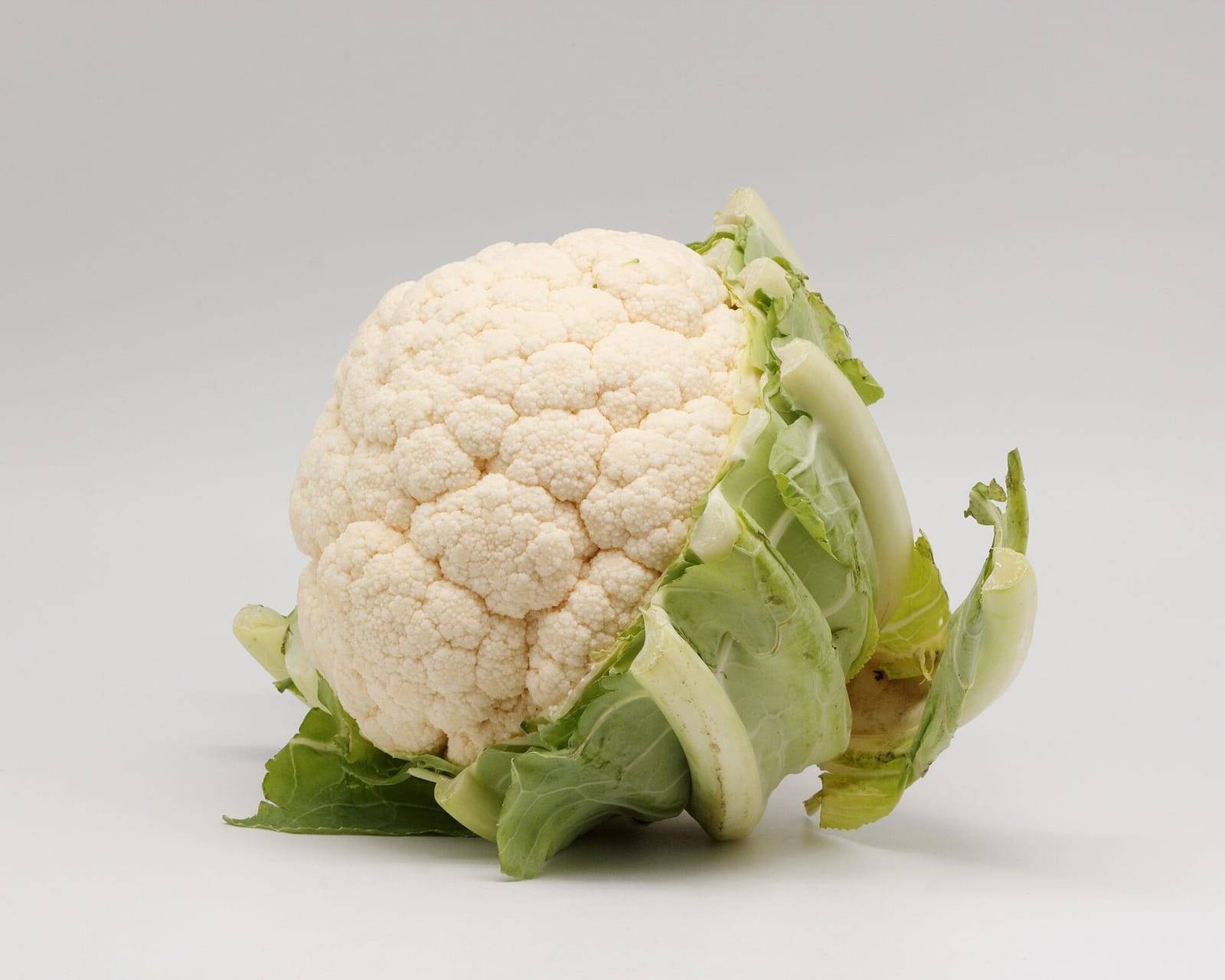
Brassica oleracea var. botrytis · also called Phool gobhiA cool season cole crop grown for its white curd. Varieties fall into early, mid and late groups, and each group needs its own sowing time.
West coast: Kerala, Goa, Konkan, coastal Karnataka, south Gujarat
At a glance
Cauliflower in the West coast
Across India
When to sow it
Twelve growing regions, January to December. Your region comes first.
- Nursery
- Transplant
- Harvest
- Under cover
- Today
Compare all 12 regionsShow fewer regions
See the dates as a table
| Region | Sow | Nursery | Transplant | Harvest |
|---|---|---|---|---|
| West coast | August to November | |||
| Temperate Himalaya | April to May (early varieties, mid hills)July to August (mid-season varieties, mid hills)September (late varieties, mid hills)April to May (late Snowball varieties, high hills) | |||
| Cold desert | Under cover: April, under polythene | Late May to early June, once frosts end | August to September | |
| Sub-tropical foothills | May to June (early varieties)August (mid-season varieties)September to October (late varieties)May (intermediate low zone, first crop)August to September (intermediate low zone, second crop) | October to early November (late variety Kt-25) | End of January to end of March (late variety Kt-25) | |
| North-west plains | Mid-May to mid-June (early groups)Late July to late August (mid groups)Late September to mid-October (late Snowball group) | June to July (early varieties)August to mid-September (main season varieties)October to the first week of November (late varieties) | ||
| Gangetic plains | Last week of July to the second week of August (early variety Kashi Gobhi-25)Late July to late August (mid groups)Late September to mid-October (late Snowball group) | Last week of August to the second week of September (25 to 30 day old seedlings) | Last week of October to mid-November (Varanasi) | |
| North-east hills and valleys | Mid-July to the first week of August (early)First week of September to the last week of October (mid)Up to the first week of November (late)Last week of August (early, North Bank Plain Zone)First week of November (late mid, North Bank Plain Zone)Last week of November (late, North Bank Plain Zone) | October (early crop)December to January (mid crop)February to March (late crop) | ||
| Arid west | September to mid-October | October to mid-November | December to February | |
| Central plateau | July to early August (early varieties)September to mid-October (mid varieties) | August to early November, 4 to 5 weeks after sowing | Late October to February | |
| Deccan plateau | August to mid-October | September to mid-November | Late November to February | |
| South interior | September to mid-October | October to mid-November | Late December to February | |
| East coast | September to mid-October | October to mid-November | Late December to February |
From seed to harvest
One season, day by day
Days from sowing
Before sowing
Day 0
Sow
Day 4 to 7
Seeds come up3,8,9,1,2Part of this comes from the sources cited. The rest is an AI suggestion.
Day 21 to 42
Day 90 to 120
First picking6
Several pickings, as curds do not all mature together
Day 120 to 150
Last picking6Part of this comes from the sources cited. The rest is an AI suggestion.
Water every 8 to 10 days, more at curd formation.6
What it needs
Soil, sun and warmth
Soil pH1,2,3,7
6 to 7
Grows on soils from sandy loam to clay if they are fertile and rich in organic matter. Light, well drained soils suit the early crop; loams to clay loams hold moisture for the mid and late crops and give higher yields.
SunlightNo published guide covers this for the West coast, so this is an AI suggestion. Check it with local advice before you rely on it.
At least 6 hours a day
Full sun in an open field. Curds of open types turn yellow in direct sun, so their own leaves are folded over them.
Temperature3,7,2
Grows best at 15 to 21 °C
Takes light frost.
Monthly temperatures for the West coast aren't in the library yet.
Water and feeding
Watering6
Water just after transplanting, then every 8 to 10 days by season and soil. Steady moisture matters both while plants grow and while curds form.
| When | What | How much | How |
|---|---|---|---|
| Before transplanting | Farmyard manure or compost | 25 t per hectare |
Varieties and yield
12 to 20 tonnes a hectare
Yields vary with the plot, the seed and the season.
Pusa Early Synthetic
Pusa Deepali
Early Patna
74-6-C
Pusa Meghna
Pests and diseases6
Organic and cultural controls only.
Diamondback moth (Plutella xylostella)
Signs
Caterpillars eat the leaf surface, then make holes; bad attacks leave only the veins. Worst in warm weather.
What to do
- Grow mustard as a trap crop to draw the moths away from the cauliflower.
Stalk rot (Sclerotinia sclerotiorum)
Signs
Round water-soaked patches turn soft; the fungus spreads into the head and forms large black seed-like bodies.
Prevention
- Do not plant cole crops in fields with white mould.
- Avoid knocking or cutting the heads at harvest.
Black rot (Xanthomonas campestris pv. campestris)
Signs
Tissue turns pale yellow-green, then brown; veins blacken and heads stay small.
What to do
- Pull out and destroy affected plants.
Prevention
- Do not grow crucifers on the same land year after year.
- Use black rot tolerant varieties.
- Plant on raised beds for drainage.
Seed and the season's end
Saving seed1,2Part of this comes from the sources cited. The rest is an AI suggestion.
Seed of early and main season varieties can be grown in the plains; seed of late (Snowball) varieties only in the hills, where flowering gets mild weather. Keep 1,600 m between cauliflower varieties and other cole crops, keep at least 100 true-to-type healthy plants, and pull out off-types three times: in leaf, at curd formation and at flowering. Bees and other pollinators must be about at flowering.
When the seed is ready
Pods turn brown.
Cleaning the seed
Cut the branches in two or three pickings as the pods brown. Stack them, turn them upside down and let them dry for 4 to 5 days more, then thresh and clean.
Dry the seed well in shade and keep it in an airtight container in a cool, dry place.
After the last picking6
Do not grow crucifers in the same field year after year.
Destroy diseased plant remains after harvest.
Rotation
Do not follow cauliflower with another cole crop: rotate with non-cruciferous crops for at least two years, and keep crucifers out for three years where club root has appeared. A cauliflower and paddy rotation helps keep stalk rot down.
Sources
Where this comes from
Our team has checked this guide against the sources at the end of the page.Reviewed by our team on 13 November 2026.
These published guides are the sources. Where none of them covers a detail for this region, the page shows an AI suggestion and labels it.
- Package of Practices for Vegetable Crops 2020 (Cauliflower; insect-pest and disease management in cole crops)Directorate of Extension, Sher-e-Kashmir University of Agricultural Sciences and Technology of JammuRead the source
- Cauliflower: intercultural operations (weed control, earthing up, blanching)National Horticulture Board, Government of IndiaRead the source
- Kashi Gobhi-25: an early cauliflower variety for North Indian plain (Indian Horticulture, May to June 2023)ICAR-Indian Institute of Vegetable Research, Varanasi (Singh, Bhuvaneswari, Karmakar, Singh and Singh), published by ICARRead the source
- Production Technology of Vegetables and Flowers (VSF-231), Part I: Vegetable production (Cauliflower)CSK Himachal Pradesh Krishi Vishvavidyalaya, Palampur (College of Agriculture course notes)Read the source
- Cauliflower (Horticulture: vegetables), TNAU Agritech PortalTamil Nadu Agricultural UniversityRead the source
- Package of Practices Recommendations: Crops 2011, Vegetables (Cauliflower)Kerala Agricultural UniversityRead the source
- Cauliflower (Crops, Vegetables), Centre for e-LearningKerala Agricultural University, Centre for e-LearningRead the source
- Cauliflower: soil and climateNational Horticulture Board, Government of IndiaRead the source
- Cauliflower: propagation (nursery bed, season of planting, raising of seedlings)National Horticulture Board, Government of IndiaRead the source
- Cauliflower: planting (land preparation, spacing, method of planting)National Horticulture Board, Government of IndiaRead the source
AI Farm Manager · In development
Plan this crop on your land
AI Farm Manager will turn guides like this one into a plan for your own plot. It doesn't make plans yet.