
Growing cauliflower
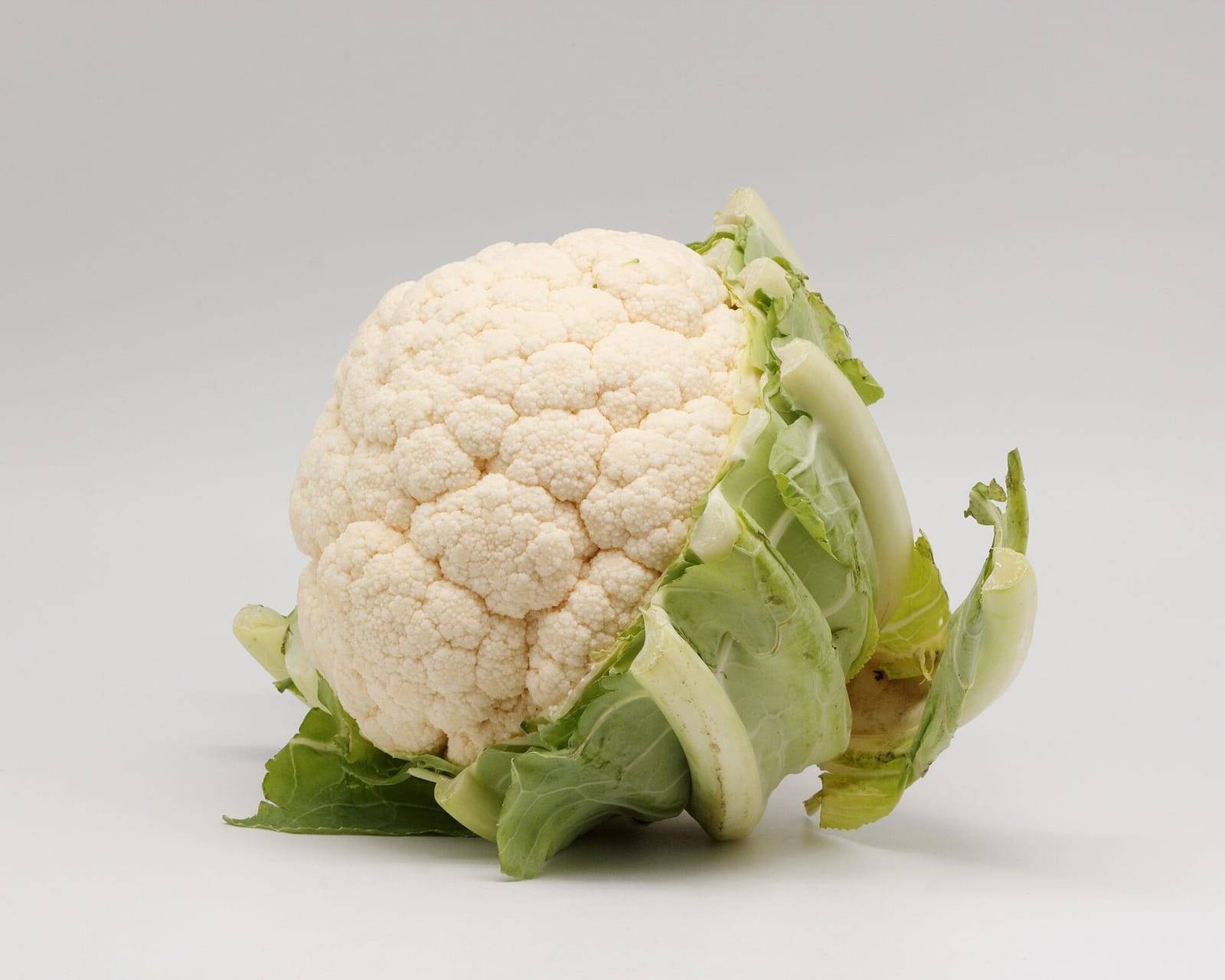
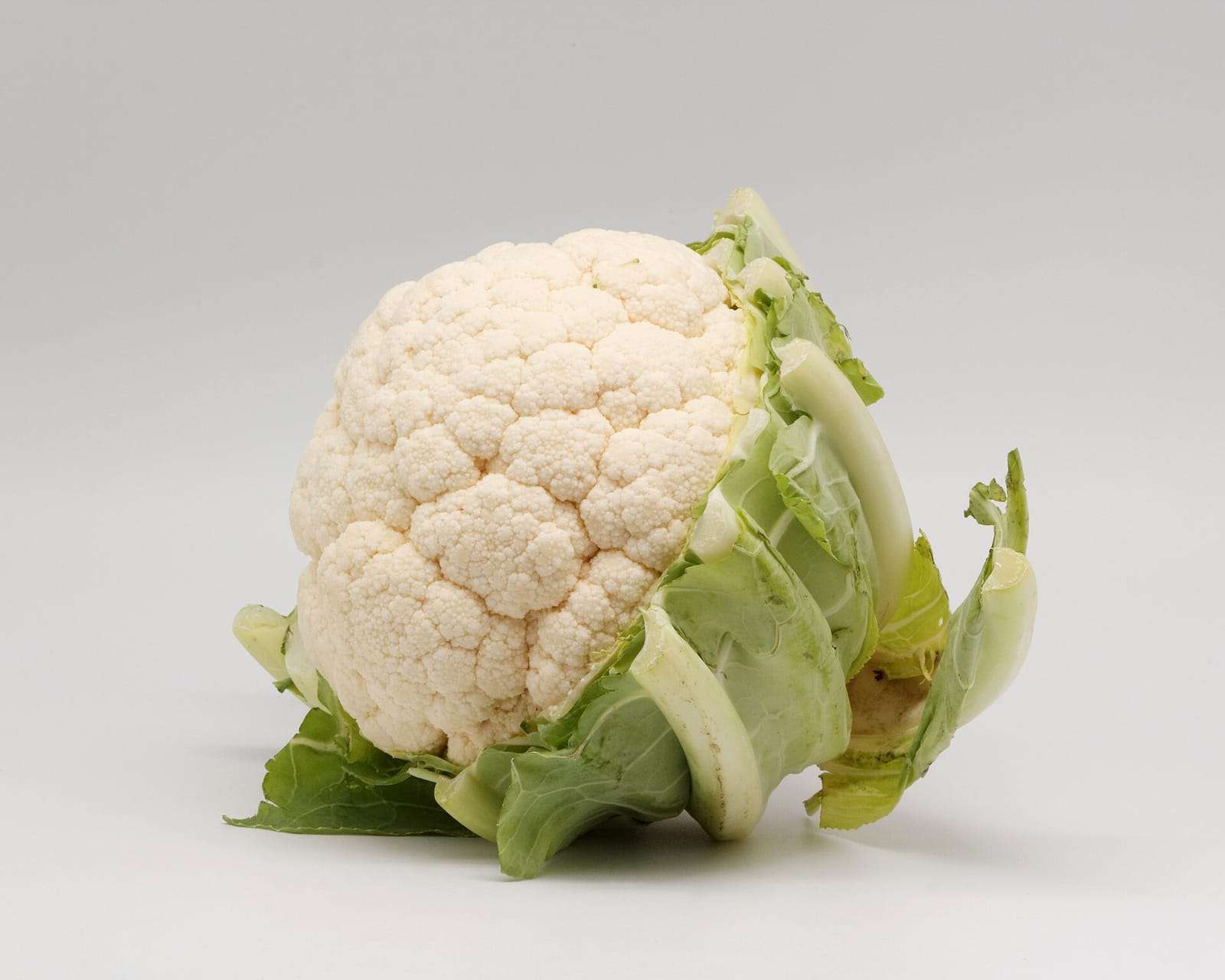
Brassica oleracea var. botrytis · also called Phool gobhiA cool season cole crop grown for its white curd. Varieties fall into early, mid and late groups, and each group needs its own sowing time.
South interior: Bengaluru, Mysuru, interior Tamil Nadu
At a glance
Cauliflower in the South interior
Plains crop from September to February; the hills grow it through the year with weekly watering in January and February4
About 3 to 4 months from nursery sowing to harvest.
No published guide covers this for the South interior, so this is an AI suggestion. Check it with local advice before you rely on it.September to mid-October
No published guide covers this for the South interior, so this is an AI suggestion. Check it with local advice before you rely on it.
Across India
When to sow it
Twelve growing regions, January to December. Your region comes first.
Too late this season
The window here was September to mid-October. The next one opens in September.
- Nursery
- Transplant
- Harvest
- Under cover
- Today
Compare all 12 regionsShow fewer regions
See the dates as a table
| Region | Sow | Nursery | Transplant | Harvest |
|---|---|---|---|---|
| South interior | September to mid-October | October to mid-November | Late December to February | |
| Temperate Himalaya | April to May (early varieties, mid hills)July to August (mid-season varieties, mid hills)September (late varieties, mid hills)April to May (late Snowball varieties, high hills) | |||
| Cold desert | Under cover: April, under polythene | Late May to early June, once frosts end | August to September | |
| Sub-tropical foothills | May to June (early varieties)August (mid-season varieties)September to October (late varieties)May (intermediate low zone, first crop)August to September (intermediate low zone, second crop) | October to early November (late variety Kt-25) | End of January to end of March (late variety Kt-25) | |
| North-west plains | Mid-May to mid-June (early groups)Late July to late August (mid groups)Late September to mid-October (late Snowball group) | June to July (early varieties)August to mid-September (main season varieties)October to the first week of November (late varieties) | ||
| Gangetic plains | Last week of July to the second week of August (early variety Kashi Gobhi-25)Late July to late August (mid groups)Late September to mid-October (late Snowball group) | Last week of August to the second week of September (25 to 30 day old seedlings) | Last week of October to mid-November (Varanasi) | |
| North-east hills and valleys | Mid-July to the first week of August (early)First week of September to the last week of October (mid)Up to the first week of November (late)Last week of August (early, North Bank Plain Zone)First week of November (late mid, North Bank Plain Zone)Last week of November (late, North Bank Plain Zone) | October (early crop)December to January (mid crop)February to March (late crop) | ||
| Arid west | September to mid-October | October to mid-November | December to February | |
| Central plateau | July to early August (early varieties)September to mid-October (mid varieties) | August to early November, 4 to 5 weeks after sowing | Late October to February | |
| Deccan plateau | August to mid-October | September to mid-November | Late November to February | |
| West coast | August to November | |||
| East coast | September to mid-October | October to mid-November | Late December to February |
From seed to harvest
One season, day by day
Days from sowing
Before sowing
Basal, hills
Farmyard manure
30 t per hectare
Basal, plains
Farmyard manure
15 t per hectare
Nursery
Farmyard manure
3 kg per m² of nursery bed (300 kg for the 100 m² that raises seedlings for one hectare)
Pro-tray nursery medium
Cocopeat with neem cake, Azospirillum and Phosphobacteria
720 kg cocopeat per hectare of crop, mixed with 10 kg neem cake and 1 kg each of Azospirillum and Phosphobacteria per hectare
Day 0
Sow
Day 90 to 130
Last picking
No published guide covers this for the South interior, so this is an AI suggestion. Check it with local advice before you rely on it.
Before sowing
Farmyard manure
30 t per hectare · Basal, hills
Farmyard manure
15 t per hectare · Basal, plains
Farmyard manure
3 kg per m² of nursery bed (300 kg for the 100 m² that raises seedlings for one hectare) · Nursery
Cocopeat with neem cake, Azospirillum and Phosphobacteria4
720 kg cocopeat per hectare of crop, mixed with 10 kg neem cake and 1 kg each of Azospirillum and Phosphobacteria per hectare · Pro-tray nursery medium
Day 0
Sow
Day 4 to 7
Seeds come up3,8,9,1,2Part of this comes from the sources cited. The rest is an AI suggestion.
Day 21 to 42
Day 90 to 130
Last pickingNo published guide covers this for the South interior, so this is an AI suggestion. Check it with local advice before you rely on it.
Water once a week (in the hills, weekly in January and February).4
What it needs
Soil, sun and warmth
Soil pH1,2,3,7
6 to 7
Grows on soils from sandy loam to clay if they are fertile and rich in organic matter. Light, well drained soils suit the early crop; loams to clay loams hold moisture for the mid and late crops and give higher yields.
SunlightNo published guide covers this for the South interior, so this is an AI suggestion. Check it with local advice before you rely on it.
At least 6 hours a day
Full sun in an open field. Curds of open types turn yellow in direct sun, so their own leaves are folded over them.
Temperature3,7,2
Grows best at 15 to 21 °C
Takes light frost.
Monthly temperatures for the South interior aren't in the library yet.
Water and feeding
Watering4
Water once a week (in the hills, weekly in January and February).
Weeding4
Fill gaps 20 days after planting. Hoe and weed on the 30th and 45th day, never deep, because the roots are shallow.
| When | What | How much | How |
|---|---|---|---|
| Basal, hills | Farmyard manure | 30 t per hectare | |
| Basal, plains | Farmyard manure | 15 t per hectare | |
| Nursery | Farmyard manure | 3 kg per m² of nursery bed (300 kg for the 100 m² that raises seedlings for one hectare) | |
| Pro-tray nursery medium | Cocopeat with neem cake, Azospirillum and Phosphobacteria | 720 kg cocopeat per hectare of crop, mixed with 10 kg neem cake and 1 kg each of Azospirillum and Phosphobacteria per hectare |
Varieties and yield
15 to 20 tonnes a hectare
Yields vary with the plot, the seed and the season.
Ooty 1
Hills.
Pusa Dapoli
Hills.
Cuba Giant
Hills.
Snowball
Hills.
Early Kunwari
Hills.
Early Synthetic
Plains.
Pawas
Plains.
Patna Mid Season
Plains.
Arka Kanti
Plains.
Pests and diseases4
Organic and cultural controls only.
Cutworm
Signs
Caterpillars cut young plants at the base.
What to do
- Set up light traps in the summer months.
Aphids
Signs
Colonies of small insects suck sap from the leaves.
What to do
- Put up yellow sticky traps, 12 a hectare, to watch for winged adults.
- Spray neem oil 3%.
Diamondback moth (Plutella xylostella)
Signs
Small caterpillars eat the leaf surface and later make holes in the leaves.
What to do
- Put up pheromone traps, 12 a hectare.
- Release the larval parasite Diadegma semiclausum, 50,000 a hectare, 60 days after planting.
- Spray neem seed kernel extract 5% or Bacillus thuringiensis 1 g a litre once there are 2 caterpillars a plant.
Prevention
- Grow mustard as an intercrop, one row of mustard to 20 rows of cauliflower.
Club root
Signs
Roots swell into club-like galls and the plants wilt and stunt.
What to do
- Treat seed with Pseudomonas fluorescens, 10 g a kg of seed; dip seedlings in it at 5 g a litre; and apply 2.5 kg a hectare to the soil mixed with 50 kg of farmyard manure before planting.
Prevention
- Do not use land that has club root.
- Keep crucifers off the field for three years.
Seed and the season's end
Saving seed1,2Part of this comes from the sources cited. The rest is an AI suggestion.
Seed of early and main season varieties can be grown in the plains; seed of late (Snowball) varieties only in the hills, where flowering gets mild weather. Keep 1,600 m between cauliflower varieties and other cole crops, keep at least 100 true-to-type healthy plants, and pull out off-types three times: in leaf, at curd formation and at flowering. Bees and other pollinators must be about at flowering.
When the seed is ready
Pods turn brown.
Cleaning the seed
Cut the branches in two or three pickings as the pods brown. Stack them, turn them upside down and let them dry for 4 to 5 days more, then thresh and clean.
Dry the seed well in shade and keep it in an airtight container in a cool, dry place.
After the last picking4
Where club root has appeared, keep crucifers off the field for three years.
Destroy diseased plant remains after harvest.
Rotation
Do not follow cauliflower with another cole crop: rotate with non-cruciferous crops for at least two years, and keep crucifers out for three years where club root has appeared. A cauliflower and paddy rotation helps keep stalk rot down.
Sources
Where this comes from
Our team has checked this guide against the sources at the end of the page.Reviewed by our team on 13 November 2026.
These published guides are the sources. Where none of them covers a detail for this region, the page shows an AI suggestion and labels it.
- Package of Practices for Vegetable Crops 2020 (Cauliflower; insect-pest and disease management in cole crops)Directorate of Extension, Sher-e-Kashmir University of Agricultural Sciences and Technology of JammuRead the source
- Cauliflower: intercultural operations (weed control, earthing up, blanching)National Horticulture Board, Government of IndiaRead the source
- Kashi Gobhi-25: an early cauliflower variety for North Indian plain (Indian Horticulture, May to June 2023)ICAR-Indian Institute of Vegetable Research, Varanasi (Singh, Bhuvaneswari, Karmakar, Singh and Singh), published by ICARRead the source
- Production Technology of Vegetables and Flowers (VSF-231), Part I: Vegetable production (Cauliflower)CSK Himachal Pradesh Krishi Vishvavidyalaya, Palampur (College of Agriculture course notes)Read the source
- Cauliflower (Horticulture: vegetables), TNAU Agritech PortalTamil Nadu Agricultural UniversityRead the source
- Cauliflower: soil and climateNational Horticulture Board, Government of IndiaRead the source
- Cauliflower: propagation (nursery bed, season of planting, raising of seedlings)National Horticulture Board, Government of IndiaRead the source
- Cauliflower: planting (land preparation, spacing, method of planting)National Horticulture Board, Government of IndiaRead the source
AI Farm Manager · In development
Plan this crop on your land
AI Farm Manager will turn guides like this one into a plan for your own plot. It doesn't make plans yet.