
Growing fenugreek
Trigonella foenum-graecum · also called MethiA quick cool season legume sown direct for its leaves, which are nipped several times. Left to pod, the same plants give methi seed, a common spice.
North-west plains: Punjab, Haryana, Delhi, western Uttar Pradesh
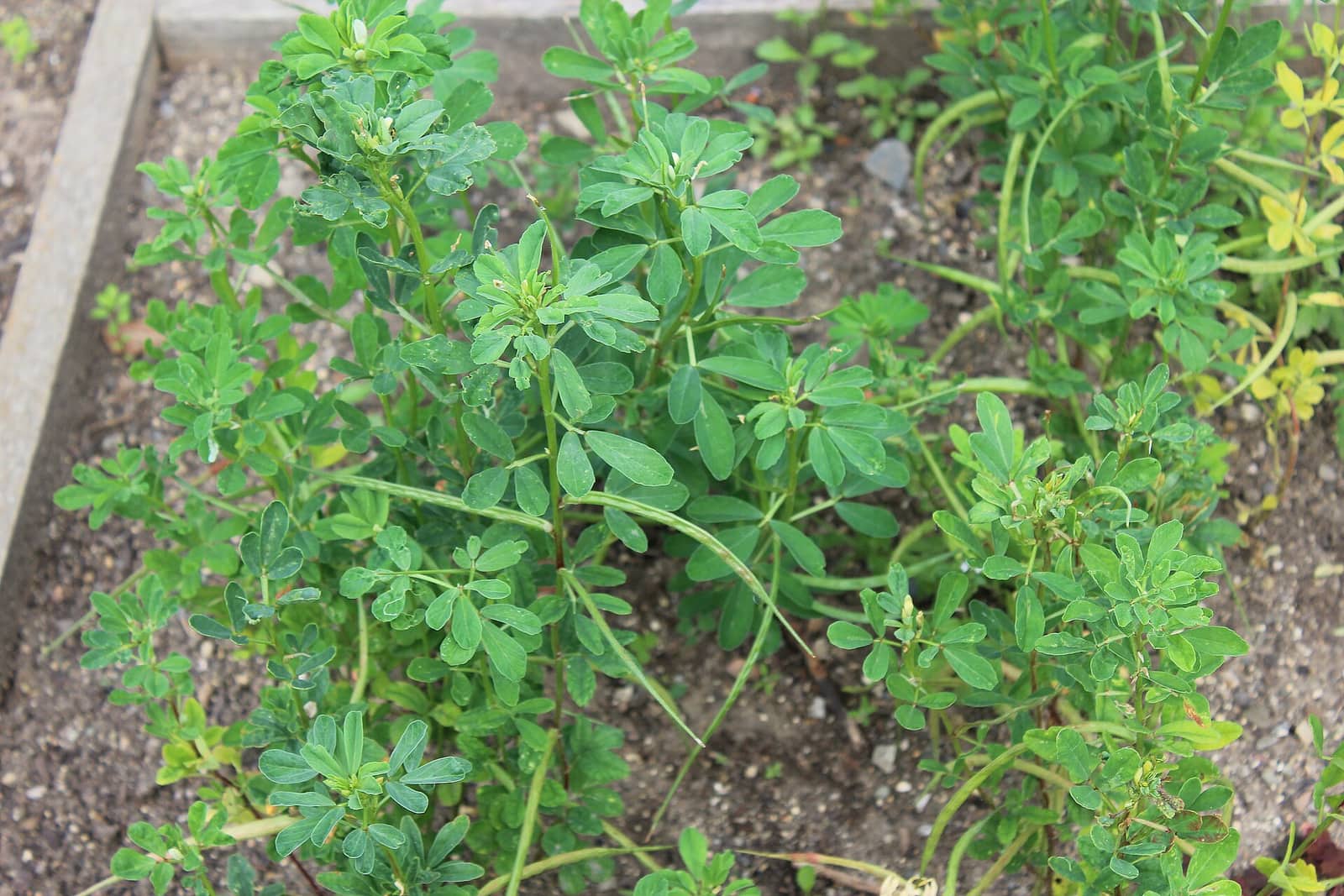
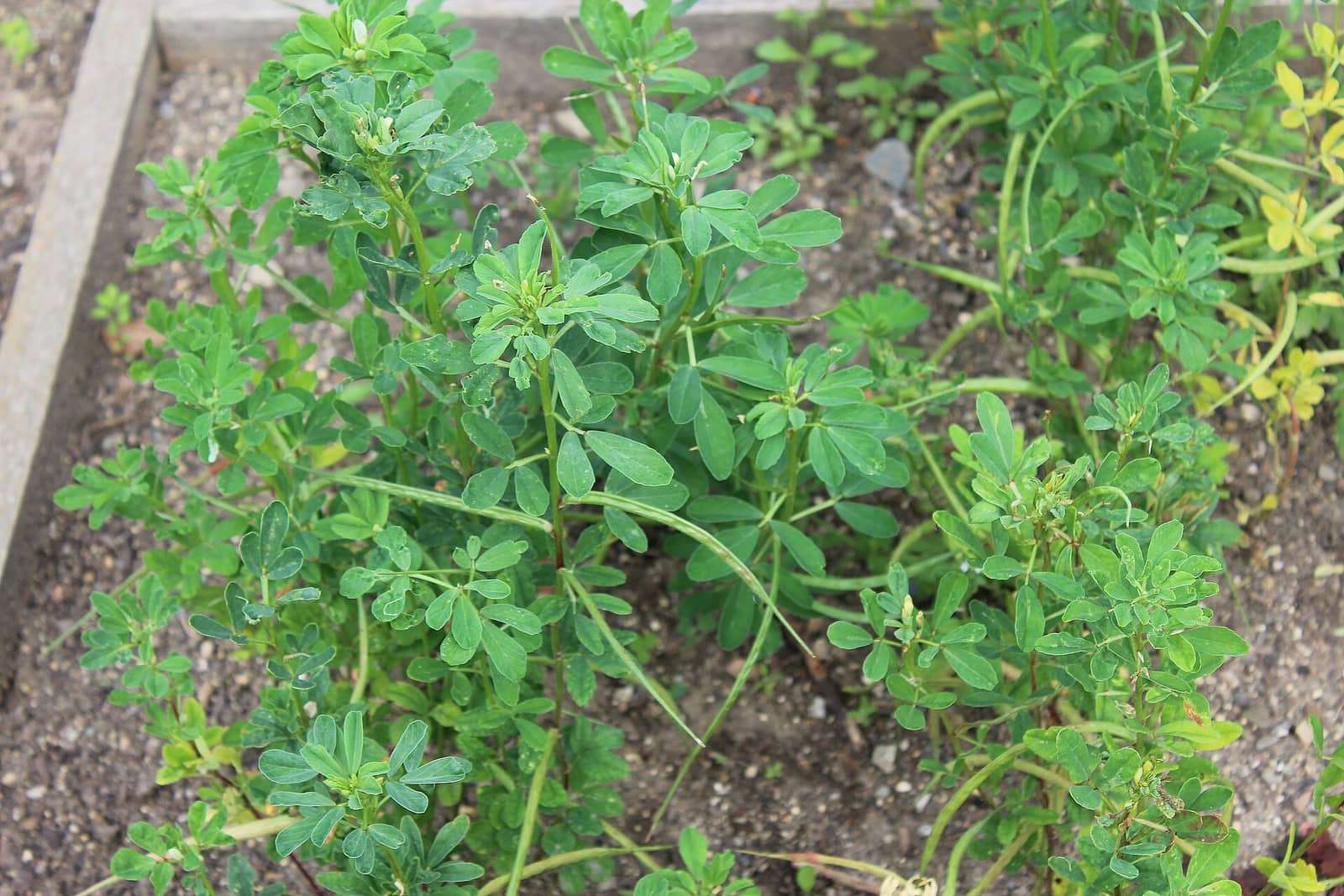
At a glance
Fenugreek in the North-west plains
Rabi, sown late October to early November3
Leaves from about a month after sowing; a seed crop stands about 4 to 5 months.
No published guide covers this for the North-west plains, so this is an AI suggestion. Check it with local advice before you rely on it.Last week of October to first week of November3
Across India
When to sow it
Twelve growing regions, January to December. Your region comes first.
Sow now
The window here is Last week of October to first week of November.
- Sow
- Harvest
- Today
Compare all 12 regionsShow fewer regions
See the dates as a table
| Region | Sow | Nursery | Transplant | Harvest |
|---|---|---|---|---|
| North-west plains | Last week of October to first week of November | |||
| Temperate Himalaya | March to AprilMay to June | Mid-April to early September | ||
| Cold desert | May to early July | Mid-June to early September | ||
| Sub-tropical foothills | September to November | |||
| Gangetic plains | October to November | Mid-November to MarchLate February to mid-April | ||
| North-east hills and valleys | October to November | Mid-November to MarchLate February to mid-April | ||
| Arid west | Late October to November | Mid-November to MarchLate February to mid-April | ||
| Central plateau | October to November | Mid-November to MarchLate February to mid-April | ||
| Deccan plateau | October to November | Mid-November to MarchLate February to mid-April | ||
| South interior | June to JulyOctober to November | |||
| West coast | Late October to early January | Mid-November to February | ||
| East coast | June to JulyOctober to November |
From seed to harvest
One season, day by day
Days from sowing
Before sowing
Field preparation
Farmyard manure
4 to 5 t per acre
Work it into the soil 2 to 3 weeks before sowing.
Day 0
Sow
Day 30 to 150
Last picking
No published guide covers this for the North-west plains, so this is an AI suggestion. Check it with local advice before you rely on it.
Before sowing
Farmyard manure5
4 to 5 t per acre · Work it into the soil 2 to 3 weeks before sowing. · Field preparation
Day 0
Sow
Day 4 to 8
Seeds come up1,3,4Part of this comes from the sources cited. The rest is an AI suggestion.
Day 30 to 150
Last pickingNo published guide covers this for the North-west plains, so this is an AI suggestion. Check it with local advice before you rely on it.
Three or four irrigations are enough for the crop.3
What it needs
Soil, sun and warmth
Soil pH1,3,4
6 to 7
Grows on most soils except waterlogged, alkaline or saline ones. Well drained loam or clay loam suits it. Avoid places with heavy, continuous rain.
SunlightNo published guide covers this for the North-west plains, so this is an AI suggestion. Check it with local advice before you rely on it.
At least 5 hours a day
Full sun in the cool months. It manages with a few hours of shade in a kitchen garden.
Temperature1,4Part of this comes from the sources cited. The rest is an AI suggestion.
Grows best at 15 to 25 °C
Takes light frost.
Monthly temperatures for the North-west plains aren't in the library yet.
Water and feeding
Watering3
Three or four irrigations are enough for the crop.
Weeding3
One or two hoeings keep weeds down.
| When | What | How much | How |
|---|---|---|---|
| Field preparation | Farmyard manure | 4 to 5 t per acre | Work it into the soil 2 to 3 weeks before sowing. |
Varieties and yield
50 to 80 quintals a hectare
Yields vary with the plot, the seed and the season.
ML-150
PAU, 1995. Erect, dark green leaves, bold yellow seed; moderately resistant to powdery mildew and stem rot. Can also be grown for fodder.
Good neighboursNo published guide covers this for the North-west plains, so this is an AI suggestion. Check it with local advice before you rely on it.
Pests and diseases5Part of this comes from the sources cited. The rest is an AI suggestion.
Organic and cultural controls only.
Aphids (Aphis craccivora and others)
Signs
Nymphs and adults suck sap from leaves, shoots, buds and flowers. Honeydew and sooty mould make the greens unsaleable, and aphids spread mosaic virus.
What to do
- If only a few shoots are infested, pull those plants out.
- Set yellow or blue sticky traps or water pan traps, 4 to 5 an acre.
- Spray neem seed kernel extract 5% or neem oil.
Prevention
- Conserve ladybirds and lacewings, which eat aphids.
- Grow flowering border plants that feed natural enemies.
- Keep weeds down.
Leaf miner
Signs
Larvae make winding tunnels inside the leaves.
What to do
- Collect and destroy mined leaves.
- Spray neem seed kernel extract 5%.
Prevention
- Conserve natural enemies.
- Remove and destroy crop residue after harvest.
Root rot, collar rot and damping off (Rhizoctonia, Sclerotium, Pythium)
Signs
Seedlings go soft and water soaked at the base and topple over. Older plants yellow and wilt as roots rot.
What to do
- Apply neem cake at 80 kg per acre at sowing.
- Mix Trichoderma viride into farmyard manure, 2 kg in 100 kg of FYM per acre, and apply it to the soil.
Prevention
- Plough deep in summer and solarise beds under clear polythene for six weeks.
- Sow on raised beds more than 15 cm high and avoid overwatering.
- Rotate with cereals for three years.
Powdery mildew (Erysiphe polygoni, Leveillula taurica)
Signs
White powdery spots on leaves that spread; yellow spots may show on the underside. Worst with cool days and humid nights.
What to do
- Spray neem seed kernel extract 5%.
Prevention
- Grow a tolerant variety.
- Conserve natural enemies.
Downy mildew (Peronospora trigonellae)
Signs
Yellow patches on the upper leaf surface with greyish violet, cottony growth underneath; plants are stunted.
What to do
- Remove badly affected plants.
Prevention
- Use manures and fertilisers in balance.
- Uproot alternate host plants.
Cercospora leaf spot
Signs
Round sunken spots with yellow halos on the leaves; discoloured patches on pods. Spread by rain splash in warm, humid weather.
What to do
- Collect and destroy diseased plant parts.
Prevention
- Avoid excess nitrogen.
- Rotate crops and clear crop debris.
Seed and the season's end
Saving seed1Part of this comes from the sources cited. The rest is an AI suggestion.
Grow the seed crop as for leaves. Take one or two leaf cuttings in the first month, then leave the plants to flower and pod. Methi is mostly self-pollinated; keep other methi plots 5 to 10 m away for pure seed.
When the seed is ready
Pods turn brown and the leaves dry.
Cleaning the seed
Cut and dry the plants, then thresh out the seed and winnow it.
Store fully dry seed in a closed container in a cool, dry place.
After the last picking5Part of this comes from the sources cited. The rest is an AI suggestion.
After the last cutting or the seed harvest, remove and compost the crop residue so pests and diseases do not carry over. Follow with a cereal or another non-legume crop.
Remove and compost the crop residue after the last cutting or the seed harvest.
Rotation
Rotate with cereals or other non-host crops.
Sources
Where this comes from
Our team has checked this guide against the sources at the end of the page.Reviewed by our team on 13 November 2026.
These published guides are the sources. Where none of them covers a detail for this region, the page shows an AI suggestion and labels it.
- Package of Practices for Crops of Punjab, Rabi 2025-26 (Fenugreek)Punjab Agricultural University, LudhianaRead the source
- Horticulture: Spice Crops: FenugreekTNAU Agritech Portal, Tamil Nadu Agricultural University, CoimbatoreRead the source
- AESA based IPM package: FenugreekNational Institute of Plant Health Management (NIPHM), Hyderabad, and Directorate of Plant Protection, Quarantine and Storage, Ministry of Agriculture and Farmers Welfare, Government of IndiaRead the source
AI Farm Manager · In development
Plan this crop on your land
AI Farm Manager will turn guides like this one into a plan for your own plot. It doesn't make plans yet.