
Growing pear
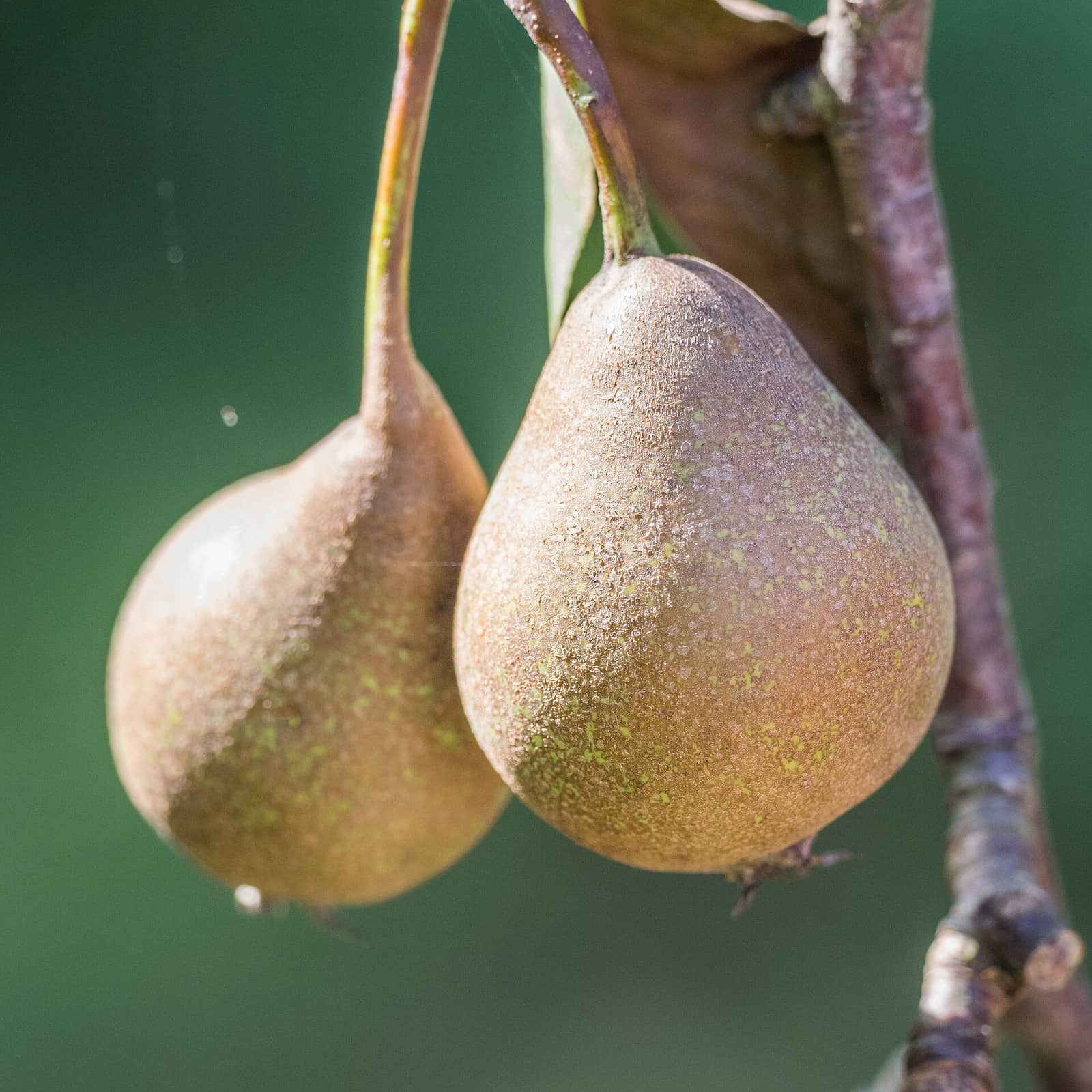
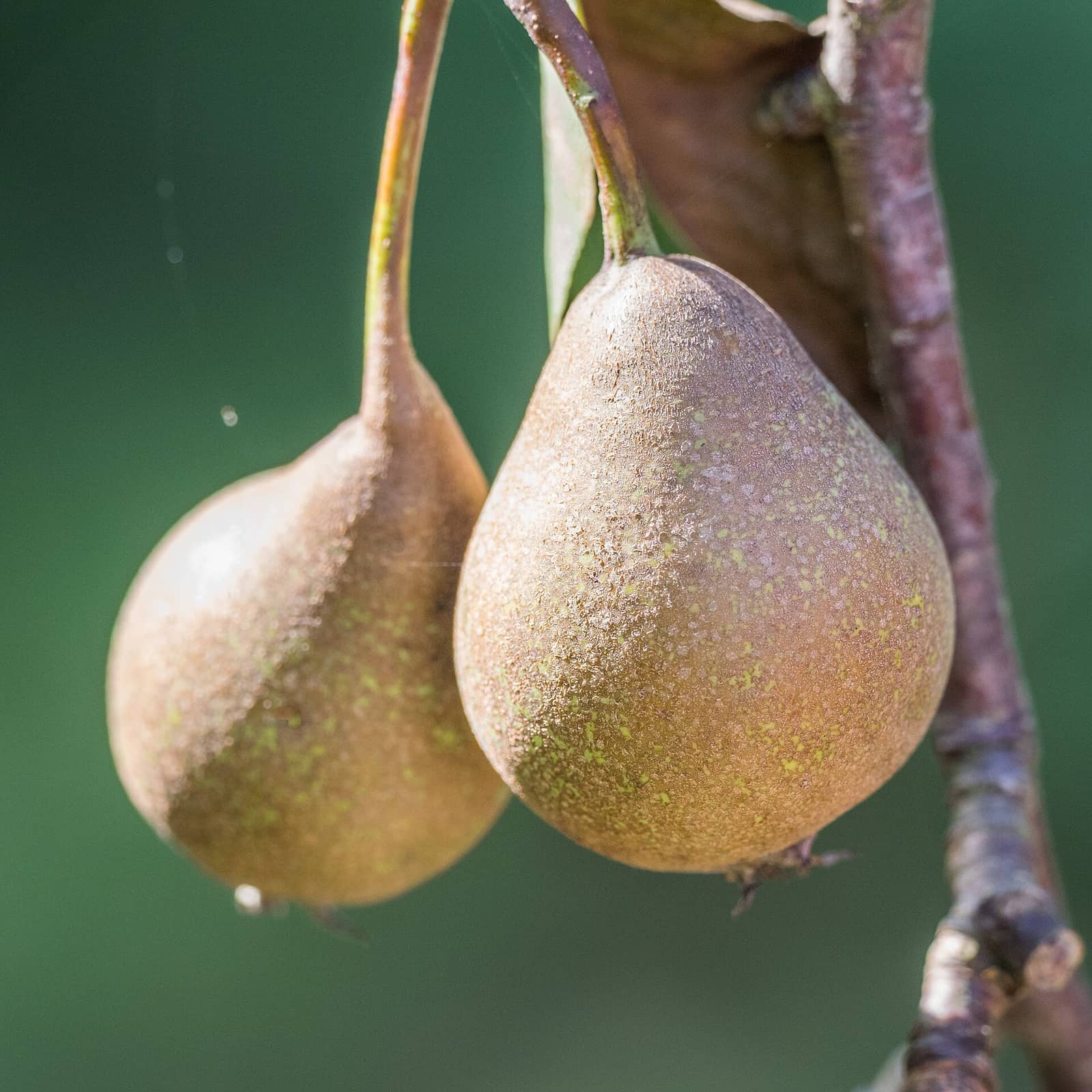
Pyrus communis · also called nashpati, tang (Kashmiri)Pear is a fruit tree raised from grafted plants. European pears need cold winters and suit the Himalayan hills; low-chill sand pears such as Patharnakh grow in the foothills and the north-west plains.
Temperate Himalaya: Kashmir valley, Shimla, Kullu, Uttarakhand hills
At a glance
Pear in the Temperate Himalaya
Planted in winter; picked in summer, early, mid and late varieties in turn1
Fruit is picked about 110 to 150 days after full bloom, by variety. A grafted tree starts bearing in about its fourth to sixth year and goes on bearing for decades.
No published guide covers this for the Temperate Himalaya, so this is an AI suggestion. Check it with local advice before you rely on it.Winter, up to mid-February1
Part of this comes from the sources cited. The rest is an AI suggestion.
Across India
When to sow it
Twelve growing regions, January to December. Your region comes first.
Wait until December
The next sowing here is Winter, up to mid-February.
- Transplant
- Harvest
- Today
- Not suited here
Compare all 12 regionsShow fewer regions
See the dates as a table
| Region | Sow | Nursery | Transplant | Harvest |
|---|---|---|---|---|
| Temperate Himalaya | Winter, up to mid-February | Last week of June to third week of JulyThird week of July to third week of AugustLast week of August to second week of September | ||
| Cold desert | Not suited here | |||
| Sub-tropical foothills | Winter, up to mid-February | Last week of JulyAugust | ||
| North-west plains | Winter, finishing by the end of January | End of June to first week of JulyThird week of JulyFourth week of JulyLast week of JulyFirst week of August | ||
| Gangetic plains | Not suited here | |||
| North-east hills and valleys | December to mid-February | July to August | ||
| Arid west | Not suited here | |||
| Central plateau | Not suited here | |||
| Deccan plateau | Not suited here | |||
| South interior | Not suited here | |||
| West coast | Not suited here | |||
| East coast | Not suited here | |||
From seed to harvest
One season, day by day
Days from sowing
Before sowing
Every year, by tree age
FYM
5 kg per tree in the first year, adding 5 kg a year to 50 kg per tree in the tenth year, then 60, 70, 80 and 90 kg, and 100 kg per tree from the fifteenth year on
Apply in February and March
Day 0
Sow
Day 110 to 150
Last picking
No published guide covers this for the Temperate Himalaya, so this is an AI suggestion. Check it with local advice before you rely on it.
Before sowing
FYM1
5 kg per tree in the first year, adding 5 kg a year to 50 kg per tree in the tenth year, then 60, 70, 80 and 90 kg, and 100 kg per tree from the fifteenth year on · Apply in February and March · Every year, by tree age
Day 0
Sow
Day 110 to 150
Last pickingNo published guide covers this for the Temperate Himalaya, so this is an AI suggestion. Check it with local advice before you rely on it.
Pear stands drought less well than apple. Water when the soil runs short of moisture and there is no summer rain, and do not over-water.1
What it needs
Soil, sun and warmth
Soil pH1,2
Deep, fertile, well-drained soil that stays moist, from sandy loam to clay loam, with no hard layer in the top 2 m. Pear grows on a wide range of soils if they hold enough moisture; it stands drought less well than apple but copes better with slow drainage.
SunlightNo published guide covers this for the Temperate Himalaya, so this is an AI suggestion. Check it with local advice before you rely on it.
Full sun, in an open site with good air movement.
TemperatureNo published guide covers this for the Temperate Himalaya, so this is an AI suggestion. Check it with local advice before you rely on it.
Takes hard frost.
Monthly temperatures for the Temperate Himalaya aren't in the library yet.
Water and feeding
Watering1
Pear stands drought less well than apple. Water when the soil runs short of moisture and there is no summer rain, and do not over-water.
Weeding1Part of this comes from the sources cited. The rest is an AI suggestion.
Keep the tree basins clear of weeds, by hand or with shallow hoeing that does not cut the surface roots. In rainfed orchards a straw mulch holds moisture and also keeps weeds, erosion and soil temperature swings down.
| When | What | How much | How |
|---|---|---|---|
| Every year, by tree age | FYM | 5 kg per tree in the first year, adding 5 kg a year to 50 kg per tree in the tenth year, then 60, 70, 80 and 90 kg, and 100 kg per tree from the fifteenth year on | Apply in February and March |
Varieties and yield
30 to 40 tonnes a hectare
Yields vary with the plot, the seed and the season.
China pear (China Tang)
Early; ripens from the last week of June to the third week of July.
Beurre de Amanlis (Zirhami Tang)
Early; ripens from the last week of June to the third week of July.
Citron des Carmes (Goshbugh)
Mid season; ripens from the third week of July to the third week of August.
Clapp's Favourite
Mid season.
Doyenne Bossoch (Surajbali Tang)
Mid season.
Fertility (Misri Tang)
Mid season.
Williams' Bon Chretien or Bartlett (Awal Number)
Mid season.
Starkrimson
Mid season.
Beurre Hardy (Kharpaddur)
Late; ripens from the last week of August to the second week of September.
Green Anjou, Red Anjou, Beurre Bosc, Corella, Forelle, Red Sensation and Winter Nellis
Listed as other promising cultivars, without a zone.
Good neighboursNo published guide covers this for the Temperate Himalaya, so this is an AI suggestion. Check it with local advice before you rely on it.
Grows well with
Keep it away from
Pests and diseases1Part of this comes from the sources cited. The rest is an AI suggestion.
Organic and cultural controls only.
San Jose scale
Signs
Grey scales on bark, shoots and fruit, often with a red ring around them. Trees lose vigour, leaves thin and yellow, and limbs or whole trees can die. Weakened branches may bear no fruit for a season or two.
What to do
- Prune out and burn heavily infested branches in the dormant season
Prevention
- Plant only clean nursery stock and graft wood
Woolly aphid
Signs
White woolly colonies suck sap from branches, twigs and roots; galls form where they feed and trees become stunted.
Prevention
- Cut out water sprouts and keep pruning cuts clean
Pear psylla
Signs
Nymphs feed on soft shoot tips. Heavy attacks give small, misshapen fruit, early leaf and fruit drop and weak fruit buds for next year. Sooty mould grows black on the honeydew over shoots, leaves and fruit.
Prevention
- Avoid heavy feeding that pushes soft shoot growth
Hairy caterpillar
Signs
Caterpillars eat the leaves; heavy attacks strip trees bare and repeated attacks weaken them.
What to do
- Collect and destroy the egg masses
- Staple sacking (burlap) bands around the trunks and collect and destroy the caterpillars and pupae under them from May to the end of June
Shot hole and stem borers
Signs
Beetles and grubs tunnel into the wood, leaving small holes or larger holes with sawdust; leaves yellow and wilt, and bad attacks can kill a tree.
What to do
- Prune out and destroy infested branches
- Leave a few fallen trunks and branches in the orchard in June and the first week of July to trap egg-laying beetles
Prevention
- Keep trees vigorous with balanced feeding
Chaffer beetles
Signs
Beetles eat holes in leaves, buds, flowers and fruitlets; the grubs feed on roots and young plants may wilt.
What to do
- Shake young trees at dusk and collect and destroy the beetles
Mites (European red mite, two-spotted spider mite)
Signs
Leaves speckled, then yellow or bronzed, and dropping early. Growth slows and fruit stays small.
Blossom thrips
Signs
Brown patches on the flower parts and distorted petals; fruit set drops.
Pear scab
Signs
Like apple scab: dark velvety spots on leaves, but clearer on the fruit, where the spots are small and dark and soon turn almost black. Worst on Kashmiri Nakh.
What to do
- Collect fallen leaves and prunings and destroy them
- Plough the orchard floor to bury leaf litter that carries the fungus
Canker and die-back
Signs
Sunken, cracked or discoloured patches on the bark of limbs and trunk; shoots above them die back.
What to do
- Cut out and burn badly cankered parts of the tree
- Scrape out cankers along with a little healthy bark
Collar rot
Signs
Bark at the base of the trunk turns brown, soft and spongy; once it rings the trunk the tree dies. Worst on poorly drained soil.
What to do
- In November and December, open the soil around the collar and expose the affected part to the sun, then remove the diseased bark
Prevention
- Keep the graft union 20 to 25 cm above the soil
- Avoid waterlogging in the orchard
White root rot
Signs
Sparse foliage, slow growth and yellowing or bronzed leaves; roots turn brown under a white cottony fungus in the rainy season, and trees die.
What to do
- Remove infected roots
- Uproot and burn dead trees
Prevention
- Improve orchard drainage
Crown gall and hairy root
Signs
Round or irregular swellings at or near the graft union, or a broom of fine roots from one point, mostly on nursery plants.
What to do
- Rogue out infected plants
Prevention
- Avoid injuring the collar and roots
- Change the nursery site
Seedling blight
Signs
Nursery seedlings die at the collar in the monsoon, with small mustard-seed-like bodies at the base.
What to do
- Uproot and burn affected seedlings
Leaf spots
Signs
Spots of many colours and sizes in late summer and the rains; badly hit leaves yellow and drop early.
Sooty blotch and flyspeck
Signs
Dull black or grey smudges and tiny black dots on the fruit skin in humid weather, lowering its market value.
Powdery mildew
Signs
White powdery patches on buds, new shoots and leaves, as in apple.
Seed and the season's end
Saving seed1Part of this comes from the sources cited. The rest is an AI suggestion.
Pear does not come true from seed, so seed is saved only to raise rootstock seedlings. Take it from fully ripe fruit of healthy, vigorous, high-yielding trees.
Cleaning the seed
Wash the seed clean in water and dry it in the shade.
Keep dry seed in airtight containers in a cool, dry place; pear seed keeps for about 3 years. Before sowing it needs 30 to 50 days of moist chilling at 1 to 5°C, and comes up about 45 days after sowing.
After the last pickingNo published guide covers this for the Temperate Himalaya, so this is an AI suggestion. Check it with local advice before you rely on it.
Pear is a perennial, so nothing is cleared after harvest. After leaf fall, rake up fallen leaves and fruit and compost or destroy them, which cuts the scab carried into spring, then prune in the dormant season.
Rake up fallen leaves and fruit after leaf fall and compost them in a pit away from the trees. Chip or compost prunings; burn diseased wood rather than leaving it in the orchard.
Rotation
When an old orchard is removed, grow a few seasons of legumes, fodder or vegetables before planting fruit trees again, and do not set new trees back into the old pits.
Sources
Where this comes from
Our team has checked this guide against the sources at the end of the page.Reviewed by our team on 13 November 2026.
These published guides are the sources. Where none of them covers a detail for this region, the page shows an AI suggestion and labels it.
- Package of practices for fruit crops 2020 (pear chapter and nursery chapter)Directorate of Extension, SKUAST-JammuRead the source
AI Farm Manager · In development
Plan this crop on your land
AI Farm Manager will turn guides like this one into a plan for your own plot. It doesn't make plans yet.