
Growing tomato
Solanum lycopersicum · also called TamatarA warm season fruit vegetable raised in a nursery and transplanted. It needs sun, mild nights and protection from frost.
South interior: Bengaluru, Mysuru, interior Tamil Nadu
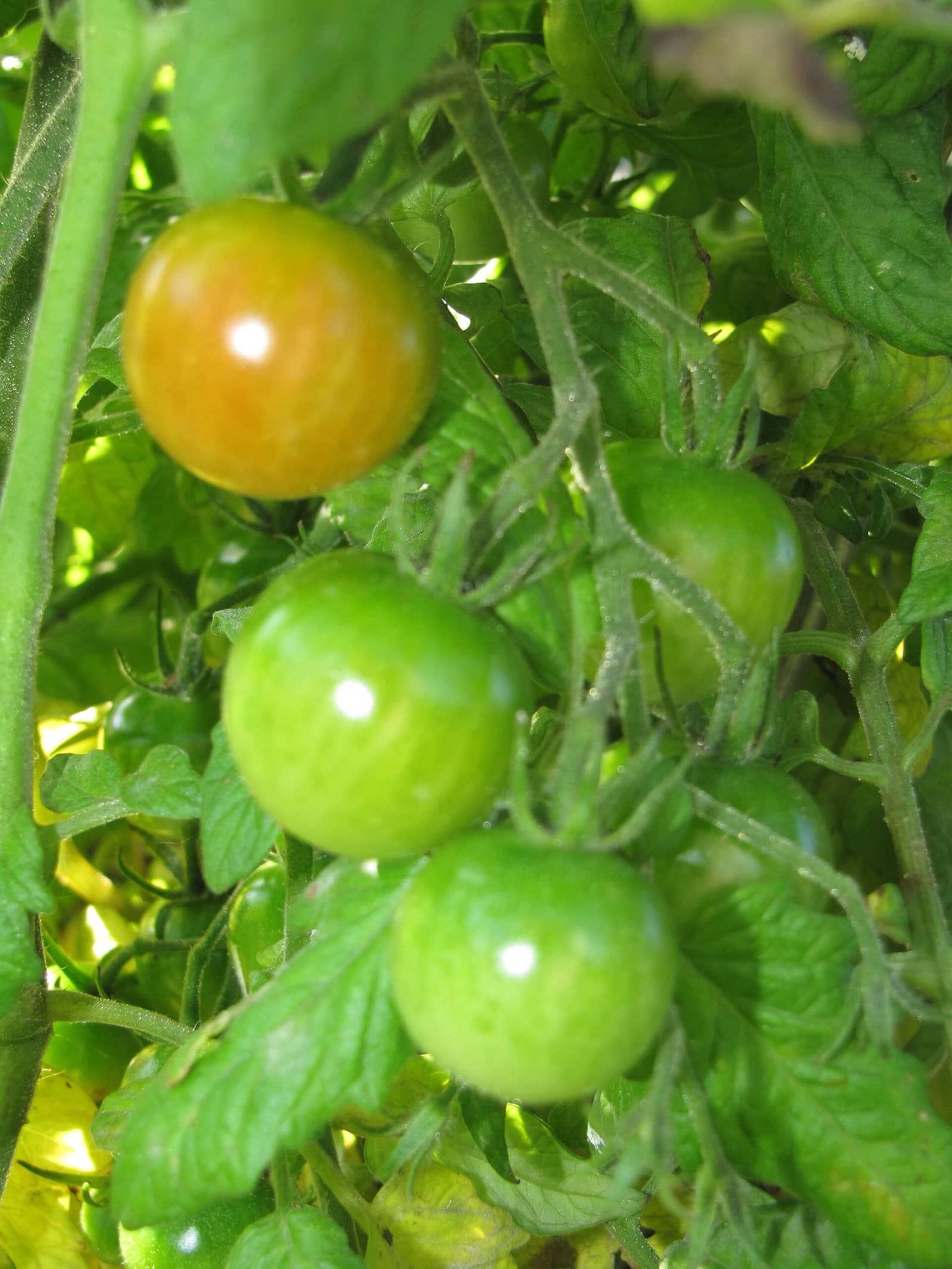
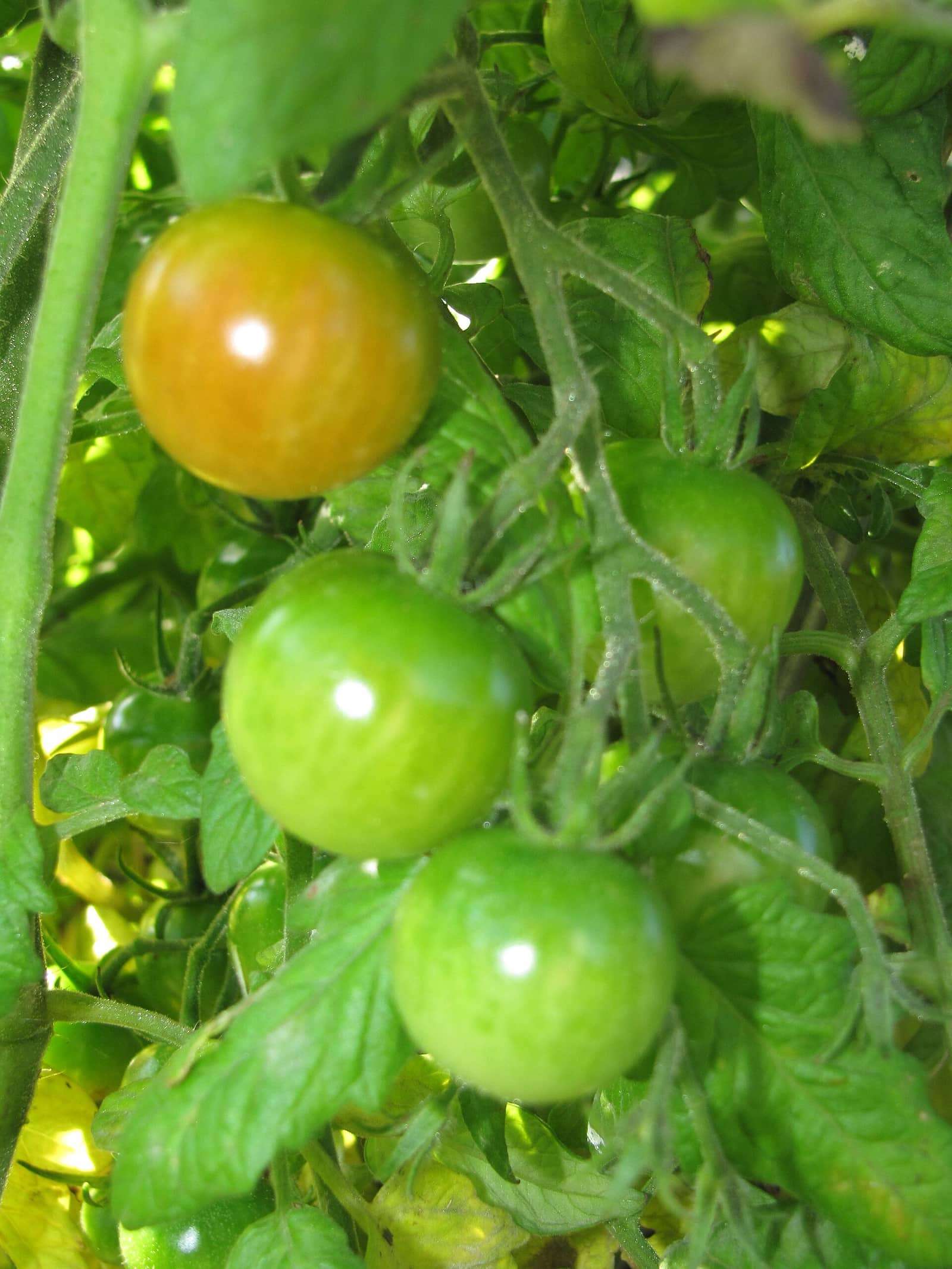
At a glance
Tomato in the South interior
Across India
When to sow it
Twelve growing regions, January to December. Your region comes first.
- Nursery
- Transplant
- Harvest
- Under cover
- Today
- Not suited here
Compare all 12 regionsShow fewer regions
See the dates as a table
| Region | Sow | Nursery | Transplant | Harvest |
|---|---|---|---|---|
| South interior | May to JuneNovember to December | December to March (Karnataka) | ||
| Temperate Himalaya | February to MarchMay to June (indeterminate types)AprilMarch to April | March to AprilJune to JulyEnd of MayApril to May | ||
| Cold desert | Not suited here | |||
| Sub-tropical foothills | Mid-DecemberUnder cover: December, under low poly tunnels or thatch | Late January to mid-FebruaryJanuary, into trenchesJuly, once the rains set in (rainfed areas) | ||
| North-west plains | OctoberEnd of NovemberSecond half of July | November to DecemberFebruarySecond half of August | Late November to early December (rainy season varieties) | |
| Gangetic plains | June to JulySeptemberJanuary | September to October (Eastern India, autumn crop)Late December (Eastern India, spring crop) | ||
| North-east hills and valleys | September to OctoberFebruary to March | October to NovemberMid-March to April | ||
| Arid west | First week of September | Second week of October | ||
| Central plateau | June to JulyNovember | July to AugustDecember to January | ||
| Deccan plateau | December to March | |||
| West coast | October to November | |||
| East coast | May to JuneNovember to December | June to JulyDecember to January | ||
From seed to harvest
One season, day by day
Days from sowing
Before sowing
Nursery bed
Farmyard manure
10 kg per m²
Mix into each square metre of nursery bed with neem cake before sowing.
Field preparation
Farmyard manure
25 t per hectare
Work in while preparing the land.
Field preparation
Azospirillum and Phosphobacteria mixed with 50 kg farmyard manure
2 kg each per hectare
Spread before transplanting.
Field preparation (organic schedule)
Vermicompost
2 t per hectare
Field preparation (organic schedule)
Neem cake
500 kg per hectare
Growing crop (organic schedule)
Panchagavya 3%
Through irrigation water and as a foliar spray; the number of rounds depends on crop duration.
Day 0
Sow
Before sowing
Farmyard manure
10 kg per m² · Mix into each square metre of nursery bed with neem cake before sowing. · Nursery bed
Farmyard manure
25 t per hectare · Work in while preparing the land. · Field preparation
Azospirillum and Phosphobacteria mixed with 50 kg farmyard manure
2 kg each per hectare · Spread before transplanting. · Field preparation
Vermicompost
2 t per hectare · Field preparation (organic schedule)
Neem cake
500 kg per hectare · Field preparation (organic schedule)
Panchagavya 3%1
Through irrigation water and as a foliar spray; the number of rounds depends on crop duration. · Growing crop (organic schedule)
Day 0
Sow
Day 25 to 30
Day 60 to 70
First picking5
About every 4 days; 7 to 11 pickings in all.
Day 135 to 140
Last picking1
Give a life irrigation on the third day after planting, then water once a week once seedlings have taken.1
What it needs
Soil, sun and warmth
Soil pH1,2,5
6 to 7.5
Well drained loam rich in organic matter. It grows on many soils, but light soils from sandy loam to loam suit it most.
Sunlight2,5
Full sun. Bright sunshine while fruits set gives a deep red colour.
Temperature2,5
Grows best at 20 to 28 °C
Frost: none tolerated.
Monthly temperatures for the South interior aren't in the library yet.
Water and feeding
Watering1
Give a life irrigation on the third day after planting, then water once a week once seedlings have taken.
Weeding1
Hand weed once, 30 days after planting.
| When | What | How much | How |
|---|---|---|---|
| Nursery bed | Farmyard manure | 10 kg per m² | Mix into each square metre of nursery bed with neem cake before sowing. |
| Field preparation | Farmyard manure | 25 t per hectare | Work in while preparing the land. |
| Field preparation | Azospirillum and Phosphobacteria mixed with 50 kg farmyard manure | 2 kg each per hectare | Spread before transplanting. |
| Field preparation (organic schedule) | Vermicompost | 2 t per hectare | |
| Field preparation (organic schedule) | Neem cake | 500 kg per hectare | |
| Growing crop (organic schedule) | Panchagavya 3% | Through irrigation water and as a foliar spray; the number of rounds depends on crop duration. |
Varieties and yield
30 to 40 tonnes a hectare
Yields vary with the plot, the seed and the season.
PKM 1
CO 3 (Marutham)
Paiyur 1
TNAU Tomato Hybrid CO 3
Hybrid
Arka Rakshak
Hybrid
Arka Samrat
Hybrid
Pests and diseases1
Organic and cultural controls only.
Fruit borer (Helicoverpa armigera) and tobacco caterpillar (Spodoptera litura)
Signs
Caterpillars feed on leaves and bore into fruits.
What to do
- Plant 40 day old tall African marigold with 25 day old tomato seedlings, one row of marigold to 16 rows of tomato.
- Set up pheromone traps.
- Collect and destroy damaged fruits and grown caterpillars.
- Release Trichogramma chilonis weekly from flower initiation.
- Grow castor as a trap crop for Spodoptera and collect its egg masses.
- Spray neem seed kernel extract 5% or a Bacillus thuringiensis product in the evening.
Whitefly
Signs
Sap-sucking insects that spread leaf curl virus.
What to do
- Put up yellow sticky traps.
- Remove the weed host Abutilon indicum.
Damping off (nursery)
Signs
Seedlings collapse in the nursery.
What to do
- Treat seed with Trichoderma or Pseudomonas fluorescens a day before sowing.
- Avoid water standing in the nursery.
Fusarium wilt and root-knot nematode
Signs
Plants wilt; roots carry knots.
What to do
- Solarise the soil before making the nursery bed.
- Treat seed, nursery and seedlings with Pseudomonas fluorescens and apply it with farmyard manure 30 days after transplanting.
Leaf curl virus
Signs
Leaves curl and plants stay stunted.
What to do
- Put up yellow sticky traps for the whitefly that carries it.
- Remove the weed host Abutilon indicum.
Tomato spotted wilt
Signs
Bronzed leaves and ring spots, spread by thrips.
What to do
- Choose healthy seedlings for transplanting.
- Pull out infected plants up to 45 days after planting.
Seed and the season's end
Saving seed1,2
Grow seed plants at least 50 m from other tomato varieties and pull out off-types and diseased plants. Use the first 7 to 8 pickings.
When the seed is ready
Seeds are mature 30 to 35 days after flowering, when the fruits are fully red and ripe.
Cleaning the seed
Crush ripe fruits and let the pulp ferment for 1 to 2 days, then add water: pulp and skins float and the seeds sink. Wash the seeds 3 or 4 times.
Dry in shade for a day, then in mild sun, to 7 to 8% moisture. Dry seed keeps up to 12 months in sealed foil pouches.
After the last pickingNo published guide covers this for the South interior, so this is an AI suggestion. Check it with local advice before you rely on it.
Remove the crop after the last picking and destroy diseased plants. Follow with ragi, a pulse or a cabbage family crop rather than chilli or brinjal.
Rotation
Leave at least a year before tomato or another solanaceous crop (chilli, brinjal, capsicum, potato) goes back on the same land. Follow with cereals, cabbage family crops, radish, onion, garlic or groundnut. In root-knot nematode fields, garlic in the rotation helps.
Growing under cover1
Raise seedlings in pro-trays under 50% shade net with insect-proof side netting; about 3 cents of nursery covers one hectare. In summer, hybrids can be grown under 35% shade net in paired rows. In a naturally ventilated greenhouse, train plants to two stems on string and use bumble bees or a vibrator to help pollination; the crop runs about 180 days including a 25 day nursery.
Sources
Where this comes from
Our team has checked this guide against the sources at the end of the page.Reviewed by our team on 13 November 2026.
These published guides are the sources. Where none of them covers a detail for this region, the page shows an AI suggestion and labels it.
- Crop Production Guide: Horticulture Crops 2020 (Tomato; Organic Cultural Practices; Protected Cultivation; Seed Production)Tamil Nadu Agricultural University and Directorate of Horticulture, Tamil NaduRead the source
- Package of Practices for Vegetable Crops 2020 (Tomato; insect-pest and disease management in solanaceous vegetables; cropping systems; protected cultivation)Directorate of Extension, Sher-e-Kashmir University of Agricultural Sciences and Technology of Jammu (SKUAST-Jammu)Read the source
- Production Technology of Vegetables and Flowers (VSF-231), Part I: Vegetable production (Tomato)CSK Himachal Pradesh Krishi Vishvavidyalaya, Palampur (Department of Vegetable Science and Floriculture)Read the source
- AESA based IPM package: TomatoNational Institute of Plant Health Management and Directorate of Plant Protection, Quarantine and Storage, Government of IndiaRead the source
- Tomato: package of practices (source NHB)Vikaspedia (Government of India), citing National Horticulture BoardRead the source
- Good Agricultural Practices in Tomato Cultivation: a technical manual for KarnatakaGIZ Green Innovation Centres India with University of Horticultural Sciences, Bagalkot and Karnataka State Department of HorticultureRead the source
AI Farm Manager · In development
Plan this crop on your land
AI Farm Manager will turn guides like this one into a plan for your own plot. It doesn't make plans yet.