
Growing guava
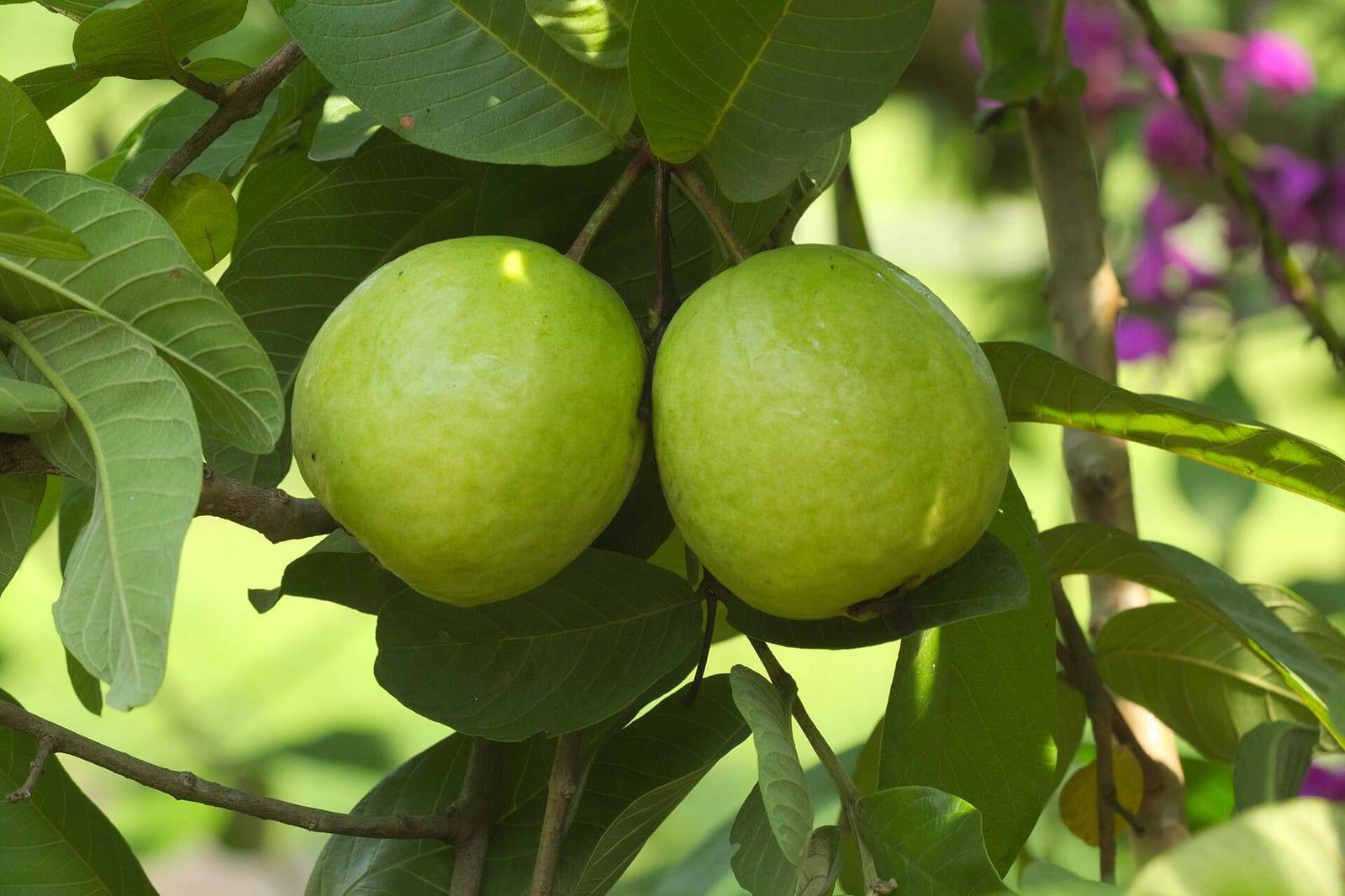
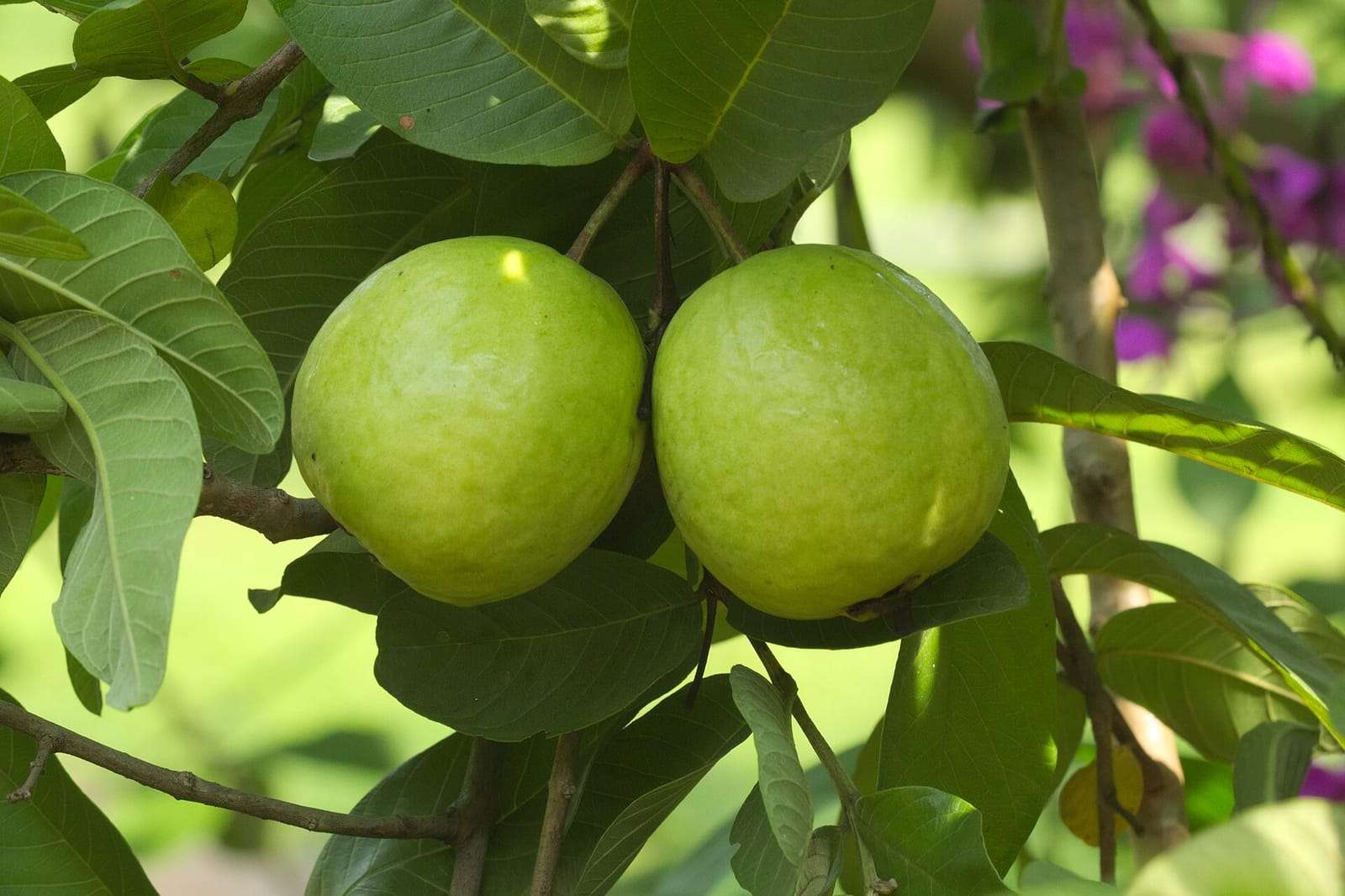
Psidium guajava · also called amroodGuava is a hardy tropical and sub-tropical fruit tree raised from layers or budded plants. It bears a rainy-season and a winter crop in north India, and suits the plains and foothills below about 1,000 m, not the cold high hills.
East coast: coastal Tamil Nadu, Puducherry, coastal Andhra, coastal Odisha
At a glance
Guava in the East coast
Across India
When to sow it
Twelve growing regions, January to December. Your region comes first.
- Transplant
- Harvest
- Today
- Not suited here
Compare all 12 regionsShow fewer regions
See the dates as a table
| Region | Sow | Nursery | Transplant | Harvest |
|---|---|---|---|---|
| East coast | June to December | February to JulySeptember to January | ||
| Temperate Himalaya | Not suited here | |||
| Cold desert | Not suited here | |||
| Sub-tropical foothills | February to MarchJuly to August | August to SeptemberJanuary to February | ||
| North-west plains | February to MarchAugust to September | Late July to SeptemberNovember to February | ||
| Gangetic plains | July to AugustFebruary to March | Late July to SeptemberNovember to February | ||
| North-east hills and valleys | June to August | Late July to SeptemberNovember to January | ||
| Arid west | July to August | August to SeptemberNovember to February | ||
| Central plateau | July to August | August to SeptemberNovember to early February | ||
| Deccan plateau | June to August | July to AugustNovember to DecemberMarch to April | ||
| South interior | June to December | February to JulySeptember to January | ||
| West coast | June to July | August to OctoberJanuary to March | ||
From seed to harvest
One season, day by day
Days from sowing
Before sowing
Farmyard manure and neem cake
10 kg FYM and 1 kg neem cake per pit · Mix with topsoil to fill the pit · Pit filling
Farmyard manure2
In two splits, in March and October · Each year
Day 25 to 30
Water heavily right after planting and again on the third day, then about once in 10 days or as needed. In dry tracts guava does better under irrigation.2
What it needs
Soil, sun and warmth
Soil pH1,3,14
5.5 to 7.5
Grows on a wide range of soils, including shallow, medium black and alkaline soils, but cannot stand waterlogging. Deep, well-drained, friable sandy loam to clay loam suits it most, at least 0.5 to 1 m deep with no hard pan or high water table. The roots are shallow, so the topsoil should be rich. Avoid soils with lime nodules or sheet rock within 90 cm.
Sunlight1Part of this comes from the sources cited. The rest is an AI suggestion.
Full sun. Lay out rows east to west so the trees get even light.
TemperatureNo published guide covers this for the East coast, so this is an AI suggestion. Check it with local advice before you rely on it.
Grows best at 23 to 30 °C
Takes light frost.
Monthly temperatures for the East coast aren't in the library yet.
Water and feeding
Watering2
Water heavily right after planting and again on the third day, then about once in 10 days or as needed. In dry tracts guava does better under irrigation.
Weeding7
Keep the orchard free of weeds. Weed regularly through the rainy season; light harrowing keeps weeds down. Cut the weeds around young plants and leave them as mulch.
| When | What | How much | How |
|---|---|---|---|
| Pit filling | Farmyard manure and neem cake | 10 kg FYM and 1 kg neem cake per pit | Mix with topsoil to fill the pit |
| Each year | Farmyard manure | In two splits, in March and October |
Varieties and yield
20 to 30 tonnes a hectare
Yields vary with the plot, the seed and the season.
Lucknow 49 (L-49)
Listed by TNAU; NHB says it is very popular in Andhra Pradesh.
Allahabad
Arka Amulya
Arka Mridula
Baptla
Lalit
TRY (G)-1
Organic and cultural controls only.
Tea mosquito bug
Signs
Bugs feed on the fruit during fruiting.
What to do
- Neem oil 3 percent spray in the early morning or late evening
Mealy bug
Signs
White bugs suck sap from shoots and fruit.
What to do
- Release Cryptolaemus beetles, about 10 a tree
Fruit fly
Signs
Maggots feed inside ripening fruit, which rots and drops.
Wilt
Signs
Leaves brown and wilt, the stem discolours and branches die along one side; the whole tree may wilt and die. Commoner on alkaline soils.
Prevention
- Plant in well-drained soil
- Uproot and burn wilted trees with their roots
Anthracnose
Signs
Branches die back from the tip.
Prevention
- Prune out and burn dead twigs
- Bury rotten fallen fruit deep
Cercospora leaf spot
Signs
Water-soaked patches on the underside of the leaves.
Scab
Signs
Dark, scabby spots 2 to 4 mm across on unripe fruit, which spoil its look and price.
Seed and the season's end
Saving seed1,13Part of this comes from the sources cited. The rest is an AI suggestion.
Guava trees raised from seed do not come true and bear late, so seed is saved only to raise rootstocks. Use freshly extracted seed from fully ripe fruit.
Cleaning the seed
Scoop out the seed, wash the pulp off and sow straight away.
Seed loses viability soon after extraction, so it is not stored. Sow it fresh; it germinates in three to four weeks.
After the last picking2
Guava is a perennial, so nothing is cleared after harvest. Old, unproductive but healthy trees can be renewed by cutting them back to about 75 cm from the ground, or by cutting the secondary branches back to 75 cm from where they start.
Guava is a perennial, so nothing is cleared after harvest. Collect fallen and rotten fruit and bury it deep or compost it in a closed pit. Chip or compost healthy prunings; burn diseased wood.
Rotation
When an old orchard is removed, grow legumes or vegetables for a season or two before replanting, and do not set new trees back into the old pits.
Sources
Where this comes from
Our team has checked this guide against the sources at the end of the page.Reviewed by our team on 13 November 2026.
These published guides are the sources. Where none of them covers a detail for this region, the page shows an AI suggestion and labels it.
- Guava: pestsNational Horticulture BoardRead the source
- Guava: plantingNational Horticulture BoardRead the source
- Guava: post harvest technologyNational Horticulture BoardRead the source
- Guava: propagationNational Horticulture BoardRead the source
- Guava: soil and climateNational Horticulture BoardRead the source
- Guava: varietiesNational Horticulture BoardRead the source
- Guava (horticulture: fruits)TNAU Agritech Portal, Tamil Nadu Agricultural UniversityRead the source
- Guava: area under cultivationNational Horticulture BoardRead the source
- Guava: diseasesNational Horticulture BoardRead the source
- Guava: harvesting and yieldNational Horticulture BoardRead the source
- Guava: intercultural operationsNational Horticulture BoardRead the source
- Guava: irrigationNational Horticulture BoardRead the source
- Guava: manuring and fertilisationNational Horticulture BoardRead the source
AI Farm Manager · In development
Plan this crop on your land
AI Farm Manager will turn guides like this one into a plan for your own plot. It doesn't make plans yet.