
Growing mango
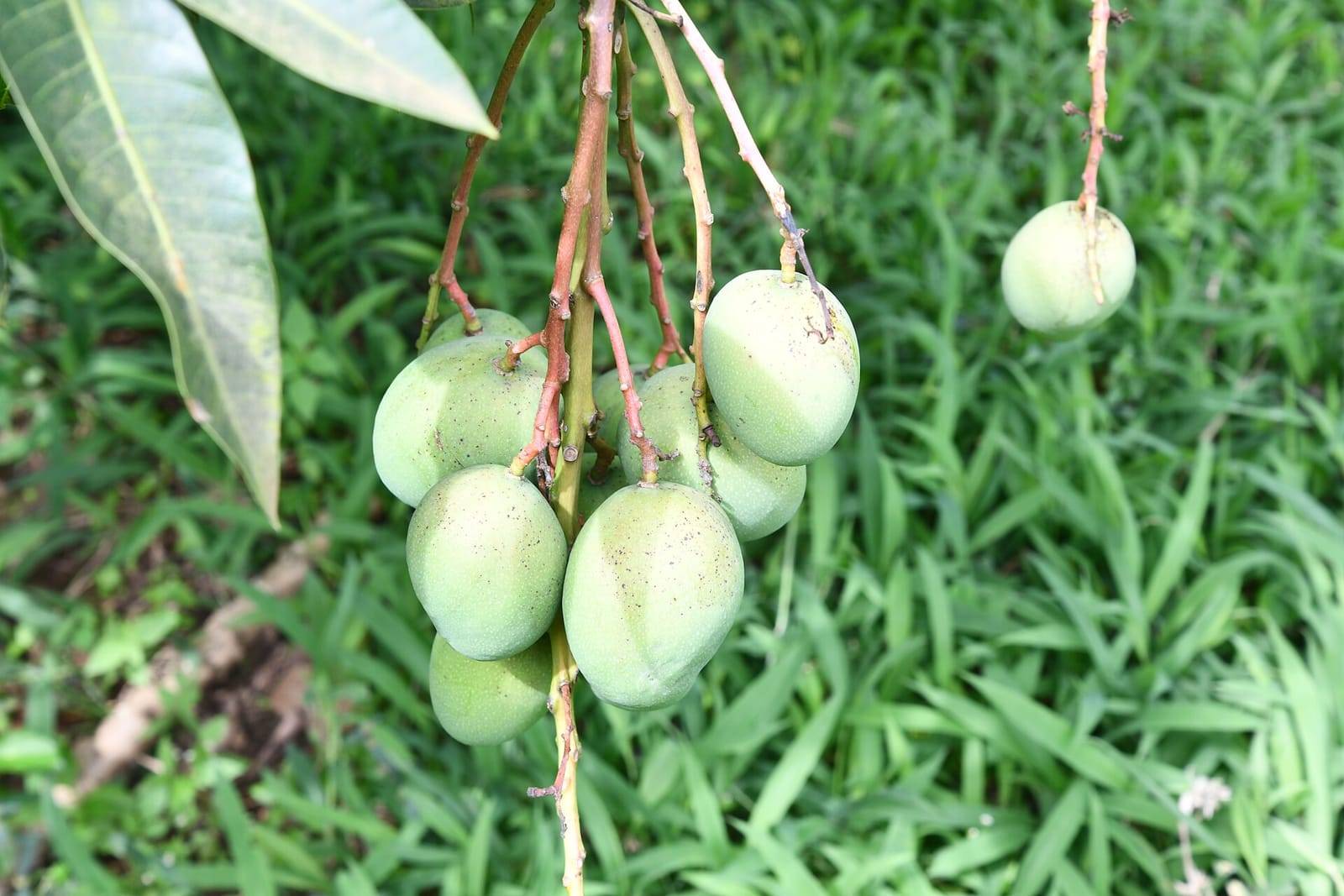
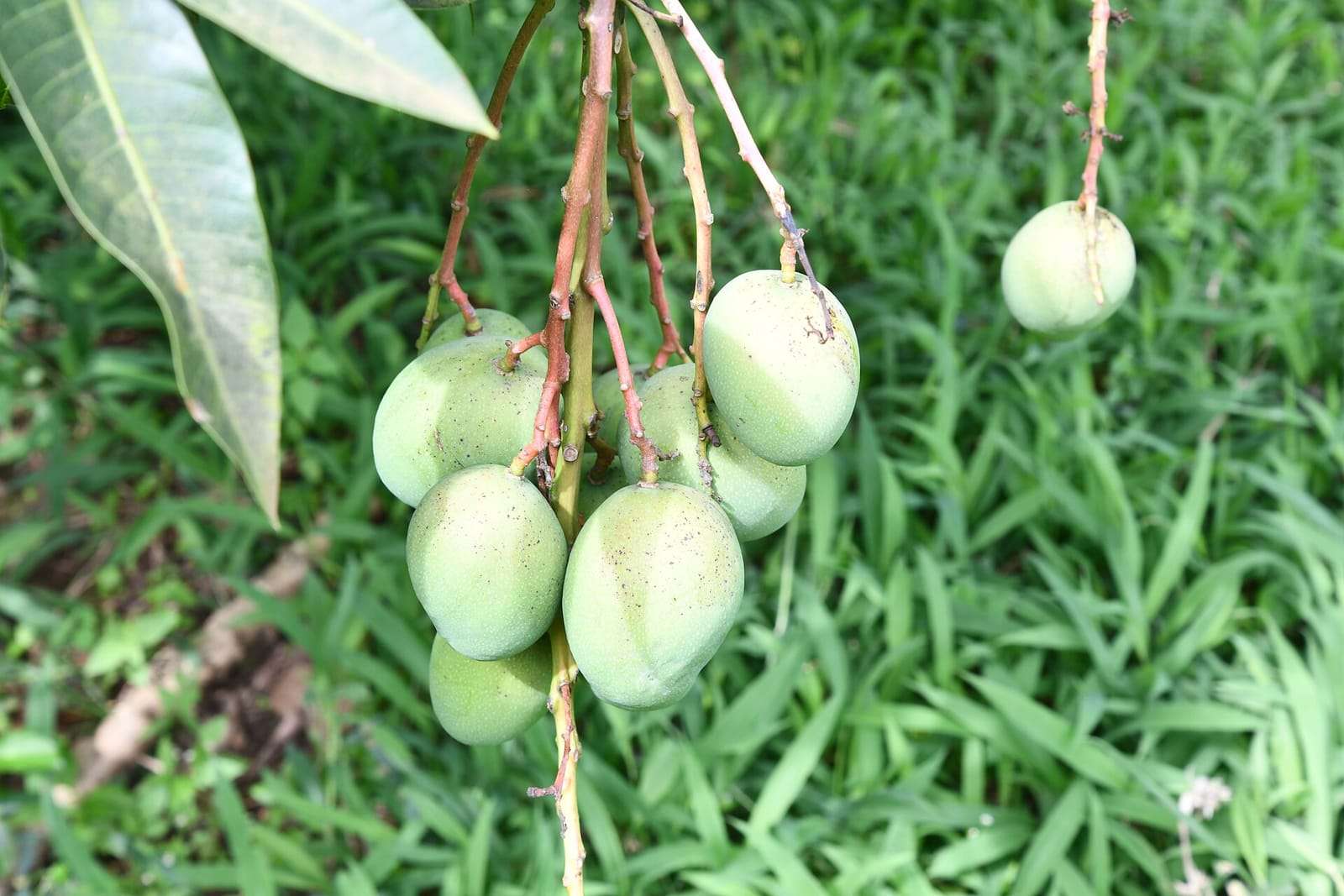
Mangifera indica · also called aamMango is a large evergreen fruit tree of the warm plains and coasts, raised from grafted plants. It needs frost-free winters and dry weather at flowering, so it does not suit the Kashmir valley or Ladakh.
South interior: Bengaluru, Mysuru, interior Tamil Nadu
At a glance
Mango in the South interior
Summer: picked from March to June5
Fruit is ready about 100 to 150 days after flowering, by variety. A grafted tree starts bearing in its third to fifth year and goes on for decades.
No published guide covers this for the South interior, so this is an AI suggestion. Check it with local advice before you rely on it.July to December5
Across India
When to sow it
Twelve growing regions, January to December. Your region comes first.
- Transplant
- Harvest
- Today
- Not suited here
Compare all 12 regionsShow fewer regions
See the dates as a table
| Region | Sow | Nursery | Transplant | Harvest |
|---|---|---|---|---|
| South interior | July to December | March to June | ||
| Temperate Himalaya | Not suited here | |||
| Cold desert | Not suited here | |||
| Sub-tropical foothills | September to early OctoberFebruary to April | MayLate JuneFirst half of JulySecond half of JulyFirst half of August | ||
| North-west plains | August to SeptemberFebruary to March | First week of JulySecond week of JulyEnd of July | ||
| Gangetic plains | July to AugustFebruary to March | Late May to August | ||
| North-east hills and valleys | June to August, in the monsoon | June to August | ||
| Arid west | July to AugustFebruary to March | May to July | ||
| Central plateau | July to AugustFebruary to March | May to July | ||
| Deccan plateau | July to AugustFebruary to March | April to June | ||
| West coast | July to AugustFebruary to March | March to May | ||
| East coast | July to December | March to June | ||
From seed to harvest
One season, day by day
Days from sowing
Before sowing
Pit filling
Topsoil mixed with FYM
10 kg FYM per pit
Pits 1 x 1 x 1 m
First year
FYM
10 kg per tree
Apply in September and October, from 45 to 90 cm off the trunk out to the drip line, and work it in
Second to fifth year
FYM
10 kg more per tree each year
Apply in September and October
Sixth year onwards
FYM
50 kg per tree a year
Apply in September and October
Day 0
Sow
Day 100 to 150
Last picking
No published guide covers this for the South interior, so this is an AI suggestion. Check it with local advice before you rely on it.
Before sowing
Topsoil mixed with FYM
10 kg FYM per pit · Pits 1 x 1 x 1 m · Pit filling
FYM
10 kg per tree · Apply in September and October, from 45 to 90 cm off the trunk out to the drip line, and work it in · First year
FYM
10 kg more per tree each year · Apply in September and October · Second to fifth year
FYM5
50 kg per tree a year · Apply in September and October · Sixth year onwards
Day 0
Sow
Day 100 to 150
Last pickingNo published guide covers this for the South interior, so this is an AI suggestion. Check it with local advice before you rely on it.
Water every 7 days, more at flowering and fruit development.5
What it needs
Soil, sun and warmth
Soil pH1
6.5 to 8
Red loamy soil with good drainage.
SunlightNo published guide covers this for the South interior, so this is an AI suggestion. Check it with local advice before you rely on it.
Full sun. Mango is a large tree that fruits on the outside of a sunny, open canopy.
Temperature1,3
Grows best at 24 to 27 °C
Frost: none tolerated.
Monthly temperatures for the South interior aren't in the library yet.
Water and feeding
Watering5
Water regularly until the trees are established. In ordinary basin systems bearing trees need watering every week; drip uses about a third of that water. Stop watering for 30 days before flowering and start again when the flowers open.
Weeding5Part of this comes from the sources cited. The rest is an AI suggestion.
Keep the tree basins weeded, especially in young orchards. In the years before bearing, short crops such as legumes, vegetables and groundnut can be grown between the trees.
| When | What | How much | How |
|---|---|---|---|
| Pit filling | Topsoil mixed with FYM | 10 kg FYM per pit | Pits 1 x 1 x 1 m |
| First year | FYM | 10 kg per tree | Apply in September and October, from 45 to 90 cm off the trunk out to the drip line, and work it in |
| Second to fifth year | FYM | 10 kg more per tree each year | Apply in September and October |
| Sixth year onwards | FYM | 50 kg per tree a year | Apply in September and October |
Varieties and yield
8 to 10 tonnes a hectare
Yields vary with the plot, the seed and the season.
Banganapalli, Bangalora, Neelum, Rumani, Mulgoa, Alphonso, Senthura, Kalepad and Imam Pasand
Listed by TNAU as suited to Tamil Nadu.
PKM 1, PKM 2 and Paiyur 1
TNAU varieties.
Mallika, Amrapali, Arka Anmol, Arka Aruna, Arka Neelkiran, Arka Puneeth and Sindhu
Other popular varieties listed by TNAU.
Alphonso, Bangalora, Mulgoa, Neelum, Pairi, Banganapalli and Totapuri
Grown in Karnataka (national package).
Good neighbours1
Grows well with
Organic and cultural controls only.
Mango mealy bug
Signs
White, mealy insects suck sap from shoots and panicles and leave sooty mould.
What to do
- Band the trunk with a 20 cm wide polythene sheet (400 gauge)
- Release the Australian ladybird beetle (Cryptolaemus montrouzieri), 10 per tree
Stem borer
Signs
Grubs tunnel in the trunk; frass comes out of the holes and branches dry.
What to do
- Pull out or kill the grub with a needle or wire, then plug the hole with mud
Fruit fly
Signs
Maggots in ripening fruit, which rots and drops.
What to do
- Plough between the rows to expose the pupae
- Set methyl eugenol traps
- Collect and destroy fallen fruit
Mango hopper
Signs
Nymphs and adults suck sap from tender shoots and flowers, which dry and drop. Their honeydew grows black sooty mould. Numbers build up in February to April and June to August.
What to do
- Prune in December and keep the orchard clean
- Prune crowded, overlapping branches after the rains so the canopy stays open
- Remove weeds and other host plants such as hibiscus and guava nearby
- Protect natural enemies such as lacewings and egg parasitoids
Prevention
- Avoid dense planting
- Do not overdo nitrogen
Stone and pulp weevils
Signs
Grubs tunnel through the flesh into the stone; damage often shows only when the fruit is cut.
What to do
- Collect and destroy fallen and infested fruit every week until harvest
- Clean the branch junctions on the trunk in October, before flowering, to disturb resting weevils
- Plough after harvest and destroy leftover stones
Leaf webber
Signs
Caterpillars web tender shoots and leaves together and feed inside the webs.
What to do
- Prune crowded, overlapping branches
- Pull out the webs and burn them
- Plough the orchard to destroy the resting pupae
Mango malformation
Signs
Bunched shoots on young plants, and thick, crowded panicles that set little fruit.
What to do
- Destroy diseased plants
- Prune diseased parts back into 15 to 20 cm of healthy-looking wood
Prevention
- Plant only healthy grafts from a reliable nursery
Stem-end rot
Signs
Rot spreads from the stalk end of the fruit after picking.
What to do
- Pick on a clear, dry day
- Avoid bruising and cuts at every handling step
Powdery mildew
Signs
White powder on flowers, panicle stalks, young leaves and fruit; flowers fail to open, blacken and drop. Cool nights and mist at flowering favour it.
What to do
- Prune so sunlight and air get into the canopy
Prevention
- Feed in balance
- Varieties such as Neelum, Zardalu and Bangalora resist it
Anthracnose
Signs
Brown to black spots on leaves, panicles and twigs; flowers die before setting fruit, and ripe fruit gets sunken dark spots. Rain and humidity at flowering favour it.
What to do
- Prune every year and clear fallen plant debris
Prevention
- Wide spacing, and intercrops that do not host the disease
Dieback
Signs
Twigs dry back from the tip, leaves look scorched, and cracked branches ooze gum. Most visible in October and November.
What to do
- Prune out infected wood at once, taking about 3 inches (7.5 cm) of healthy wood below the infection
Prevention
- Use scion wood free of infection
Sooty mould
Signs
A black coating on the leaves where hoppers and mealy bugs leave honeydew.
What to do
- Control the hoppers and mealy bugs that cause it
Seed and the season's end
Saving seed1
Mango is grown from grafted plants, because seedlings vary. Stones are saved only to raise rootstocks: take them from ripe fruit of seedling trees.
Mango stones lose viability quickly, so do not store them: sow soon after taking them out of the fruit, and keep only stones that sink in water.
After the last pickingNo published guide covers this for the South interior, so this is an AI suggestion. Check it with local advice before you rely on it.
Mango is a perennial, so nothing is cleared after harvest. Collect and destroy fallen fruit, plough the orchard after harvest and take out dead and diseased wood.
Collect fallen and damaged fruit and destroy it, which cuts fruit fly. Compost healthy leaves and prunings; burn diseased twigs rather than leaving them in the orchard.
Rotation
When an old orchard is removed, grow a few seasons of legumes, green manure or vegetables before planting fruit trees again.
Sources
Where this comes from
Our team has checked this guide against the sources at the end of the page.Reviewed by our team on 13 November 2026.
These published guides are the sources. Where none of them covers a detail for this region, the page shows an AI suggestion and labels it.
- IPM package of practices for mango (for producing quality fruits for export)Directorate of Plant Protection, Quarantine and Storage, Government of India (reviewed by ICAR-CISH Lucknow)Read the source
- Mango (horticulture: fruits)TNAU Agritech Portal, Tamil Nadu Agricultural UniversityRead the source
AI Farm Manager · In development
Plan this crop on your land
AI Farm Manager will turn guides like this one into a plan for your own plot. It doesn't make plans yet.