
Growing potato
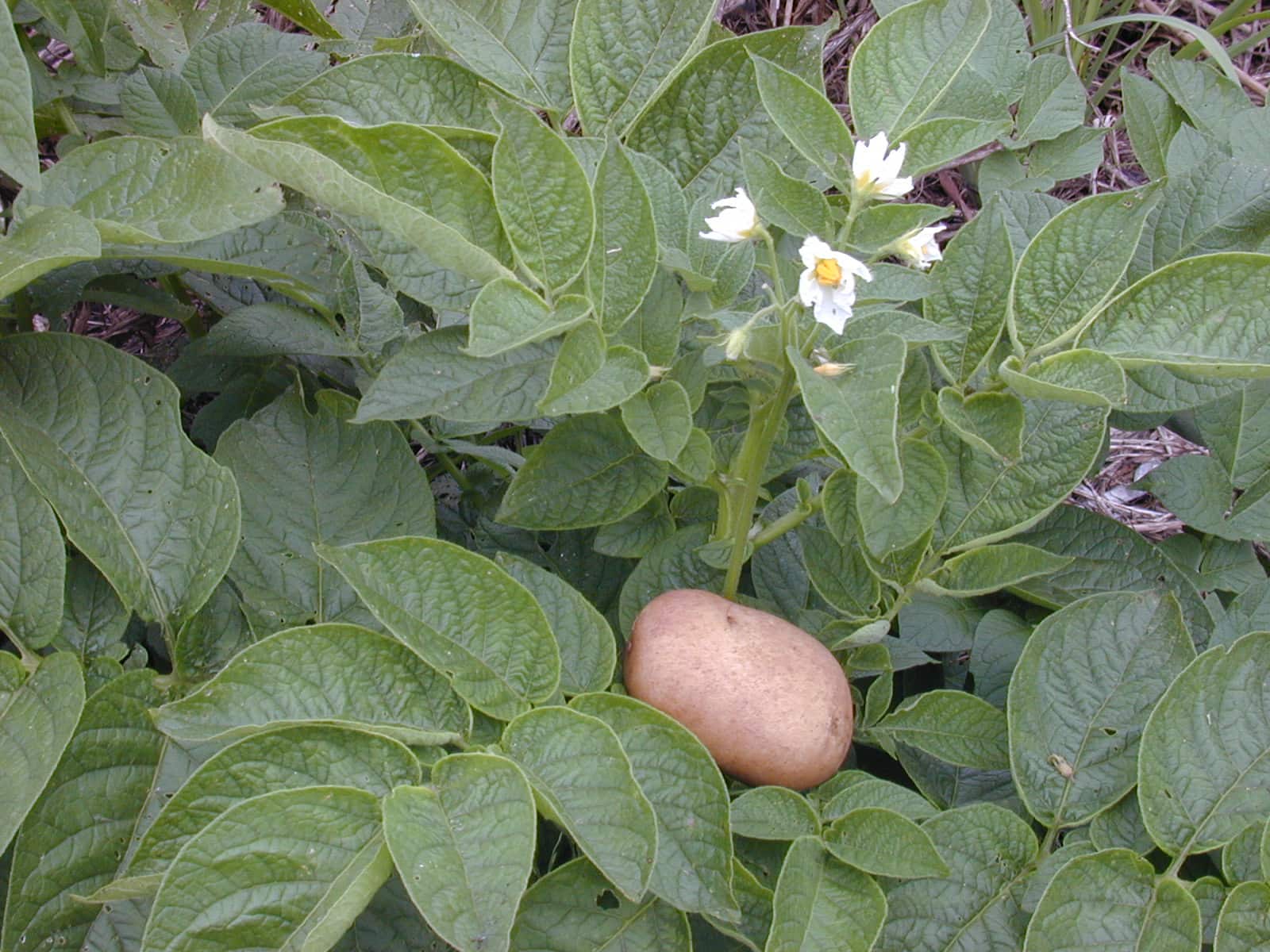
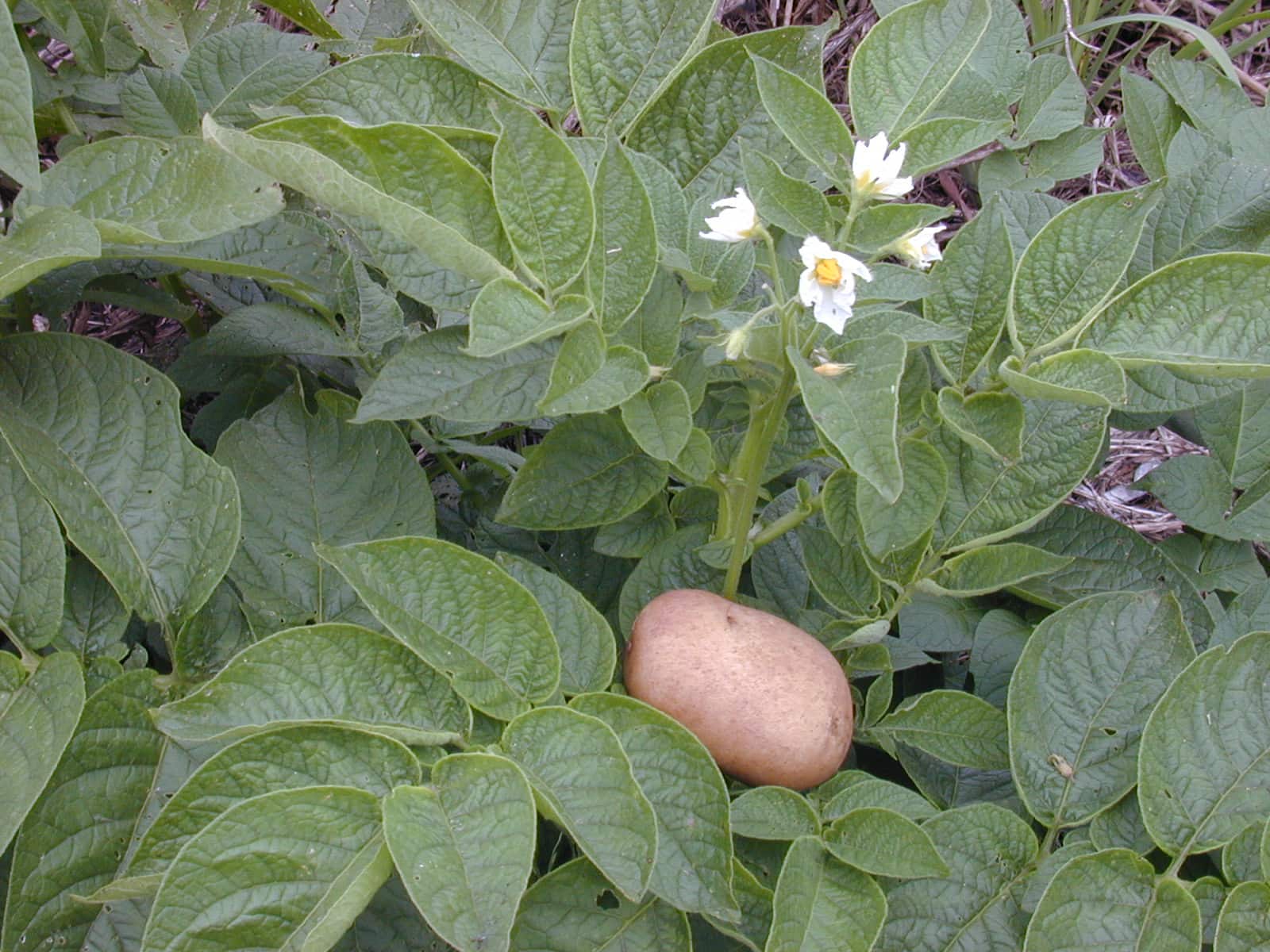
Solanum tuberosum · also called Aloo, Olu (Kashmiri)A cool season tuber crop planted from seed tubers on ridges. It needs cool nights to form tubers and is hurt by frost.
Sub-tropical foothills: Jammu, Kangra, Dehradun
At a glance
Potato in the Sub-tropical foothills
Across India
When to sow it
Twelve growing regions, January to December. Your region comes first.
Too late this season
The window here was September to October. The next one opens in January.
- Sow
- Harvest
- Today
- Not suited here
Compare all 12 regionsShow fewer regions
See the dates as a table
| Region | Sow | Nursery | Transplant | Harvest |
|---|---|---|---|---|
| Sub-tropical foothills | September to OctoberSecond half of January | January to FebruaryApril to May | ||
| Temperate Himalaya | Mid-March to AprilApril to MayJanuary to February | September to OctoberSeptember to OctoberMay to June | ||
| Cold desert | April to May | September to October | ||
| North-west plains | Last week of September to mid-OctoberSecond half of January | February to MarchApril | ||
| Gangetic plains | Mid-OctoberEnd of October to mid-NovemberEarly November | February to MarchJanuary to February | ||
| North-east hills and valleys | March to April | July to August | ||
| Arid west | Mid-OctoberMid-September | February to MarchMid-November to December | ||
| Central plateau | Mid-October to NovemberEnd of June | February to MarchSeptember to October | ||
| Deccan plateau | End of June to JulyMid-October to November | September to OctoberFebruary to March | ||
| South interior | March to AprilAugust to SeptemberJanuary to FebruaryEnd of JuneMid-October to November | |||
| West coast | Not suited here | |||
| East coast | Early NovemberOctober to November | January to February | ||
From seed to harvest
One season, day by day
Days from sowing
Before sowing
Day 0
Sow
Farmyard manure (FYM)
20 t per acre (50 t per hectare) · Spread after the first ploughing, just before planting.
Day 14 to 28
Seeds come up1,2,4Part of this comes from the sources cited. The rest is an AI suggestion.
Day 70 to 130
Last picking1
Water every 7 to 10 days, more at stolon formation, tuber initiation and tuber development.1
What it needs
Soil, sun and warmth
Soil pH1
6.5 to 7.5
Grows in alluvial, black, red and laterite soils. Alkaline and saline soils do not suit it.
Sunlight3
Full sun. Grows well when days are sunny and nights are cool.
Temperature1
Grows best at 15 to 20 °C
Frost: none tolerated.
Monthly temperatures for the Sub-tropical foothills aren't in the library yet.
Water and feeding
Watering1
Give a light watering before planting if the soil is dry, for even sprouting. After earthing up, water every 7 to 10 days. Keep the water below three quarters of the ridge height. Stop watering 10 to 15 days before harvest so the skins firm up.
Weeding1
Earthing up 25 to 30 days after planting and again 10 days later keeps weeds down along the ridges.
| When | What | How much | How |
|---|---|---|---|
| Green manure before planting | Sunhemp or dhaincha | 50 kg seed per hectare | Sow from the end of June to the first week of July and plough it in 7 to 8 weeks later, before planting potato. |
| Just before planting | Farmyard manure (FYM) | 20 t per acre (50 t per hectare) | Spread after the first ploughing, just before planting. |
Varieties and yield
20 to 30 tonnes a hectare
Yields vary with the plot, the seed and the season.
Kufri Pukhraj
Early (70 to 90 days); yellow tubers; resists early blight.
Kufri Khyati
Early; moderately resistant to early and late blight.
Kufri Surya
Early; heat tolerant, for early planting.
Kufri Jyoti
Medium (90 to 100 days); wide adaptability.
Kufri Bahar
Medium; early bulking.
Kufri Chipsona-1
Medium; for chips and French fries.
Kufri Arun
Medium; red tubers.
Kufri Sindhuri
Late (110 to 130 days); red tubers; copes with low fertility.
Kufri Badshah
Late; moderately resistant to early and late blight.
Good neighbours4Part of this comes from the sources cited. The rest is an AI suggestion.
Pests and diseases1
Organic and cultural controls only.
Cutworm (Agrotis species)
Signs
Caterpillars cut young plants at night.
What to do
- Flood the beds and pick out and destroy the caterpillars that come up.
Potato aphid (Myzus persicae)
Signs
Aphids on the leaves; they spread leaf roll and mosaic viruses.
What to do
- Plant the autumn crop early, in September and early October.
Potato tuber moth (Phthorimaea operculella)
Signs
Caterpillars tunnel into tubers in the field and in store.
What to do
- Do not leave tubers exposed in the field.
- Store tubers under a layer of sand or wheat or paddy straw.
- Keep the store clean.
Early blight (Alternaria solani)
Signs
Brown leaf spots with rings; leaves die and drop. Stems and tubers can be hit in bad years.
What to do
- Plant clean seed tubers.
- Earth up high so tubers stay covered.
Late blight (Phytophthora infestans)
Signs
Small brown patches start at leaf edges and kill the foliage in days in cloudy, wet weather. Tubers rot too.
What to do
- Take seed tubers from a field that had no blight.
- Grow resistant varieties.
- Earth up high and do not flood the field during wet spells.
- Remove the first infected leaves and plants early.
Leaf roll and mosaic viruses
Signs
Rolled, puckered leaves and stunted plants.
What to do
- Pull out infected plants as soon as they show.
- Cut the haulms in the third or fourth week of December, when aphids build up.
Seed and the season's end
Saving seed1,3
Plant a seed crop from healthy, virus-free seed tubers. Pull out sick-looking plants as they appear. Renew seed every 3 to 4 years: yield falls when the same seed is replanted year after year.
When the seed is ready
Cut the haulms once aphids reach 20 per 100 leaves, then leave the tubers in the soil for about 15 days to mature.
Grade the tubers and keep them in cold storage at 2 to 4 °C until the next planting season.
After the last pickingNo published guide covers this for the Sub-tropical foothills, so this is an AI suggestion. Check it with local advice before you rely on it.
Clear haulms and cull tubers after digging. The autumn crop is often followed by okra, sweet corn or a summer vegetable; avoid potato or tomato on the same land the next season.
Collect and destroy crop debris and cull tubers; do not leave rejected tubers lying in the open.
Rotation
Grow potato in a rotation with cereals and pulses, for example potato, mung, paddy, rather than potato after potato.
Sources
Where this comes from
Our team has checked this guide against the sources at the end of the page.Reviewed by our team on 13 November 2026.
These published guides are the sources. Where none of them covers a detail for this region, the page shows an AI suggestion and labels it.
- Package of Practices for Vegetable Crops 2020 (Potato)Directorate of Extension, SKUAST-JammuRead the source
- Package of Practices for Vegetable Crops 2016 (Potato)Directorate of Extension, SKUAST-JammuRead the source
- Potato: package of practices (source NHB)Vikaspedia (Government of India), citing National Horticulture BoardRead the source
- Production Technology of Vegetables and Flowers (VSF-231), Part I: Vegetable production (Potato)CSK Himachal Pradesh Krishi Vishvavidyalaya, Palampur (Department of Vegetable Science and Floriculture)Read the source
- AESA based IPM package: PotatoNational Institute of Plant Health Management and Directorate of Plant Protection, Quarantine and Storage, Government of IndiaRead the source
- Horticulture: Vegetables: Potato (TNAU Agritech Portal)Tamil Nadu Agricultural UniversityRead the source
AI Farm Manager · In development
Plan this crop on your land
AI Farm Manager will turn guides like this one into a plan for your own plot. It doesn't make plans yet.