
Growing tomato
Solanum lycopersicum · also called TamatarA warm season fruit vegetable raised in a nursery and transplanted. It needs sun, mild nights and protection from frost.
Cold desert: Ladakh, Lahaul and Spiti
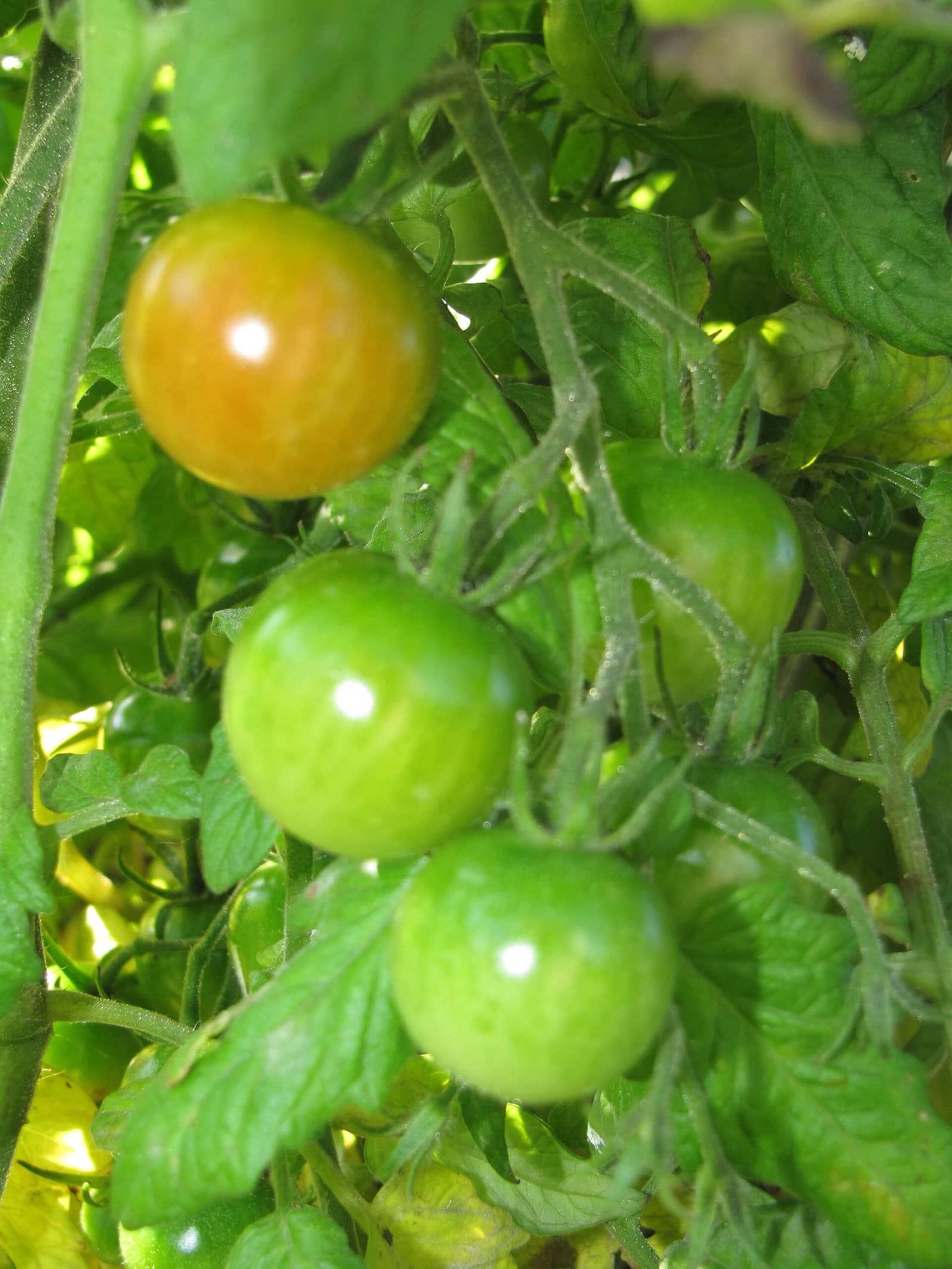
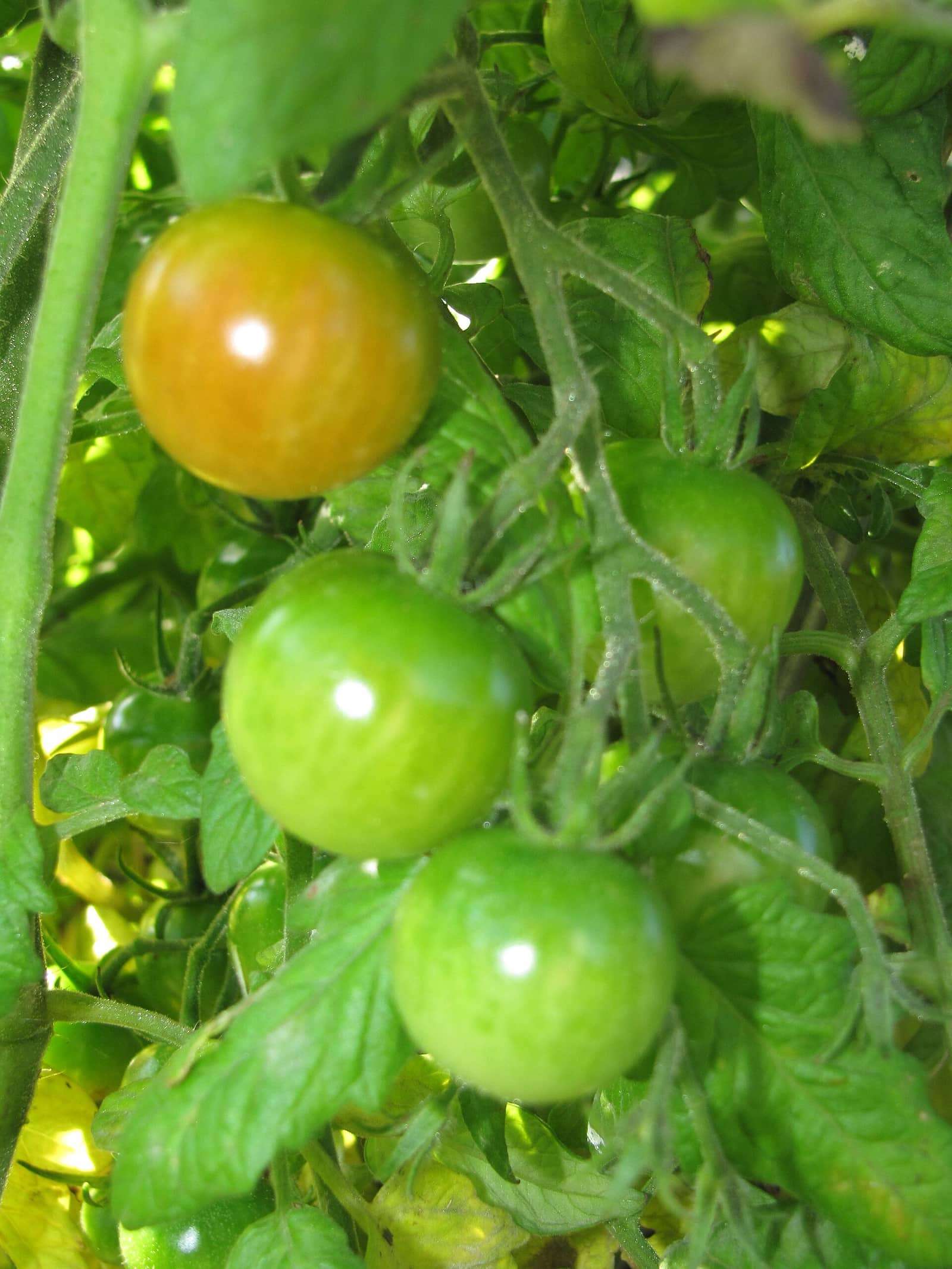
Not a crop for this region
The open season in Ladakh and Lahaul is short and cold, with frost in late spring and early autumn, and tomato cannot stand frost.
Where it grows nearest
Temperate Himalaya: Kashmir valley, Shimla, Kullu, Uttarakhand hills
See the Temperate Himalaya guideSub-tropical foothills: Jammu, Kangra, Dehradun
See the Sub-tropical foothills guide
Across India
When to sow it
Twelve growing regions, January to December. Your region comes first.
Not suited here
- Nursery
- Transplant
- Harvest
- Under cover
- Today
- Not suited here
Compare all 12 regionsShow fewer regions
See the dates as a table
| Region | Sow | Nursery | Transplant | Harvest |
|---|---|---|---|---|
| Cold desert | Not suited here | |||
| Temperate Himalaya | February to MarchMay to June (indeterminate types)AprilMarch to April | March to AprilJune to JulyEnd of MayApril to May | ||
| Sub-tropical foothills | Mid-DecemberUnder cover: December, under low poly tunnels or thatch | Late January to mid-FebruaryJanuary, into trenchesJuly, once the rains set in (rainfed areas) | ||
| North-west plains | OctoberEnd of NovemberSecond half of July | November to DecemberFebruarySecond half of August | Late November to early December (rainy season varieties) | |
| Gangetic plains | June to JulySeptemberJanuary | September to October (Eastern India, autumn crop)Late December (Eastern India, spring crop) | ||
| North-east hills and valleys | September to OctoberFebruary to March | October to NovemberMid-March to April | ||
| Arid west | First week of September | Second week of October | ||
| Central plateau | June to JulyNovember | July to AugustDecember to January | ||
| Deccan plateau | December to March | |||
| South interior | May to JuneNovember to December | December to March (Karnataka) | ||
| West coast | October to November | |||
| East coast | May to JuneNovember to December | June to JulyDecember to January | ||
What it needs
Soil, sun and warmth
Soil pH1,2,5
6 to 7.5
Well drained loam rich in organic matter. It grows on many soils, but light soils from sandy loam to loam suit it most.
Sunlight2,5
Full sun. Bright sunshine while fruits set gives a deep red colour.
Temperature2,5
Grows best at 20 to 28 °C
Frost: none tolerated.
Monthly temperatures for the Cold desert aren't in the library yet.
Seed and the season's end
Saving seed1,2
Grow seed plants at least 50 m from other tomato varieties and pull out off-types and diseased plants. Use the first 7 to 8 pickings.
When the seed is ready
Seeds are mature 30 to 35 days after flowering, when the fruits are fully red and ripe.
Cleaning the seed
Crush ripe fruits and let the pulp ferment for 1 to 2 days, then add water: pulp and skins float and the seeds sink. Wash the seeds 3 or 4 times.
Dry in shade for a day, then in mild sun, to 7 to 8% moisture. Dry seed keeps up to 12 months in sealed foil pouches.
Rotation
Leave at least a year before tomato or another solanaceous crop (chilli, brinjal, capsicum, potato) goes back on the same land. Follow with cereals, cabbage family crops, radish, onion, garlic or groundnut. In root-knot nematode fields, garlic in the rotation helps.
Sources
Where this comes from
Our team has checked this guide against the sources at the end of the page.Reviewed by our team on 13 November 2026.
These published guides are the sources. Where none of them covers a detail for this region, the page shows an AI suggestion and labels it.
- Crop Production Guide: Horticulture Crops 2020 (Tomato; Organic Cultural Practices; Protected Cultivation; Seed Production)Tamil Nadu Agricultural University and Directorate of Horticulture, Tamil NaduRead the source
- Package of Practices for Vegetable Crops 2020 (Tomato; insect-pest and disease management in solanaceous vegetables; cropping systems; protected cultivation)Directorate of Extension, Sher-e-Kashmir University of Agricultural Sciences and Technology of Jammu (SKUAST-Jammu)Read the source
- Production Technology of Vegetables and Flowers (VSF-231), Part I: Vegetable production (Tomato)CSK Himachal Pradesh Krishi Vishvavidyalaya, Palampur (Department of Vegetable Science and Floriculture)Read the source
- AESA based IPM package: TomatoNational Institute of Plant Health Management and Directorate of Plant Protection, Quarantine and Storage, Government of IndiaRead the source
- Tomato: package of practices (source NHB)Vikaspedia (Government of India), citing National Horticulture BoardRead the source
- Good Agricultural Practices in Tomato Cultivation: a technical manual for KarnatakaGIZ Green Innovation Centres India with University of Horticultural Sciences, Bagalkot and Karnataka State Department of HorticultureRead the source
AI Farm Manager · In development
Plan this crop on your land
AI Farm Manager will turn guides like this one into a plan for your own plot. It doesn't make plans yet.